
Starting your child on a musical journey is an exciting milestone, but choosing their first instrument can feel overwhelming. The market is filled with options ranging from lightweight portable keyboards to massive acoustic uprights. Finding the right piano for kids requires balancing your child’s current physical size, your household’s living space, and the specific requirements of their music curriculum. Rather than searching for a single “best” brand, the key is understanding how different instrument categories align with your child’s developmental stage and your family’s lifestyle.
An appropriate starter instrument must support proper physical technique from the very first lesson. If the keys are too light, a child may struggle to develop the finger strength needed for traditional piano playing. Conversely, an instrument that is too complex or lacks basic learning tools can frustrate a young beginner, leading them to lose interest before they have a chance to progress. By focusing on objective specifications, physical ergonomics, and practical household constraints, you can select an instrument that fosters a lifelong love for music.
Acoustic vs. Digital: Deciding the Right Instrument Type First
Before exploring specific brands, you must decide whether an acoustic piano or a digital alternative is the most practical fit for your home. This decision impacts not only your child’s daily practice habits but also your household’s daily routine and long-term financial planning.
Products mentioned in this guide
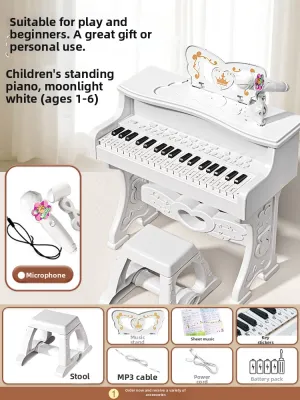
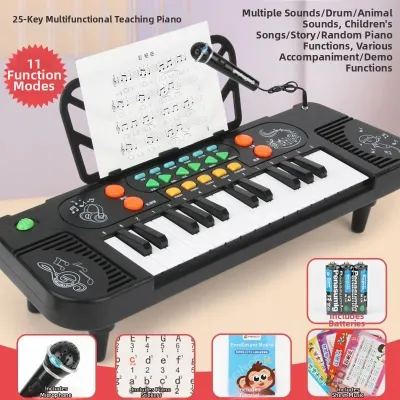
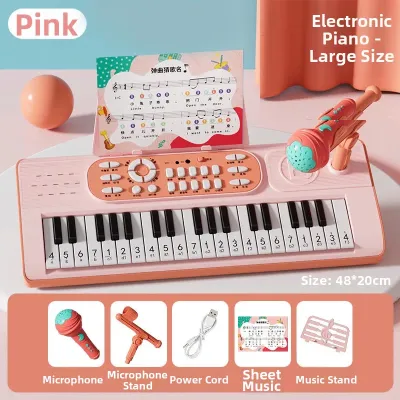
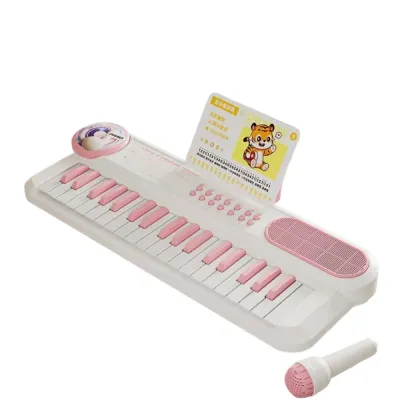
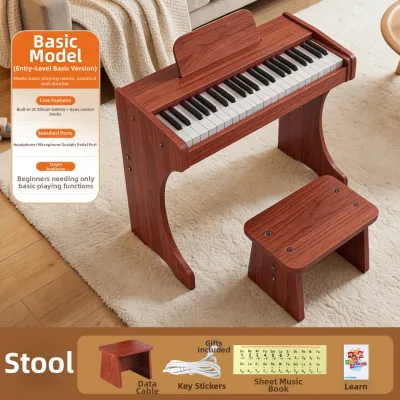
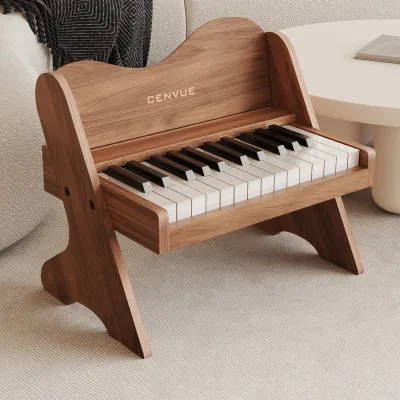
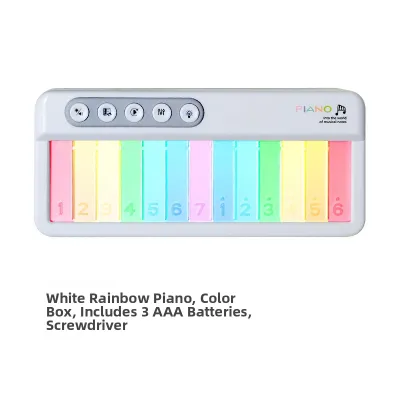
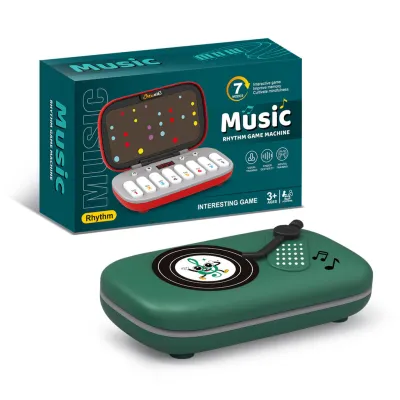
Prices are valid at publication and may change. Please refer to the product page for the latest price.
Space and noise constraints are often the primary deciding factors, especially for families living in high-rise apartments or shared housing environments. Acoustic pianos produce sound mechanically, meaning their volume cannot be adjusted. This can limit practice hours to specific times of day to avoid disturbing neighbors or sleeping family members. Digital pianos and keyboards, on the other hand, feature volume controls and headphone jacks, allowing your child to practice silently at any hour without disruption.
Maintenance is another critical differentiator that parents must consider. Acoustic pianos are crafted from wood, metal, and felt, making them highly sensitive to changes in temperature and humidity. To maintain their pitch and structural integrity, they require professional tuning at least once or twice a year, along with consistent climate control. Digital instruments require virtually no ongoing maintenance beyond keeping them free of dust, making them a highly convenient option for busy households.
The physical touch and sound production of these two instrument types also shape the early learning experience. Acoustic pianos offer an organic, highly responsive touch where the key physically throws a hammer to strike a string, creating a rich, resonant sound. Digital pianos attempt to replicate this experience using weighted key mechanisms and recorded acoustic samples. While high-quality digital instruments offer an excellent approximation of this feel, a basic, unweighted keyboard will feel vastly different, which can affect how a child transitions to an acoustic piano during formal lessons or examinations.
Key Features to Evaluate in Beginner Pianos and Keyboards
When evaluating potential instruments, focusing on specific technical features will help you cut through marketing jargon and find a model that truly supports your child’s education. The physical design of the instrument directly influences how your child develops their playing posture and hand shape.

The number of keys on the instrument is one of the first specifications you should check. A standard, full-size piano has 88 keys, which accommodates the entire range of classical and modern repertoire. While a younger child can easily begin learning basic notes on a smaller 61-key or 76-key keyboard, they will eventually outgrow it as their pieces expand across the treble and bass clefs. Planning for a transition to an 88-key instrument within the first year or two of lessons is highly recommended if you choose to start with a smaller model.
Touch sensitivity and key weighting are absolutely essential for any beginner instrument. Touch-sensitive keys respond to how hard or soft a child presses them, allowing them to play with expression and dynamics. Weighted keys simulate the physical resistance of an acoustic piano’s hammer action, which is crucial for building finger strength and preventing joint strain. Avoid instruments with completely unweighted, plastic keys, as they do not provide the physical feedback necessary to develop proper classical piano technique.
Ergonomics play a vital role in keeping your child comfortable and focused during practice sessions. Young children have smaller frames, meaning they require adjustable equipment to maintain a healthy posture. An adjustable bench is necessary to ensure their elbows sit at the correct height relative to the keyboard, while a stable, non-wobbling stand prevents the instrument from shaking during enthusiastic playing. Additionally, ensure that any external pedals are positioned where your child can comfortably reach them without straining their back or legs.
Understanding Piano Brand Categories for Children
Navigating the landscape of piano manufacturers is easier when you group them into distinct categories based on their primary focus. Traditional acoustic piano manufacturers specialize in mechanical craftsmanship, utilizing decades of woodworking and acoustic engineering to build instruments designed to last for generations. These instruments often retain a higher resale value and offer an unmatched sensory experience, but they represent a significant upfront investment and require dedicated floor space.
In contrast, digital piano and portable keyboard brands focus on electronic innovation, versatility, and user-friendly features. These manufacturers design instruments that fit easily into modern living spaces, often incorporating built-in metronomes, recording functions, and interactive learning applications. When evaluating these brands, look for those that specialize in musical instruments rather than general consumer electronics, as they tend to place a higher priority on realistic key action and accurate sound sampling.
To ensure you are purchasing a genuine, high-quality instrument, always verify authorized local dealers and official warranty terms. Purchasing from unauthorized online marketplaces or grey-market importers may save money initially, but it often leaves you without recourse if the instrument develops a mechanical or electronic fault. Authorized dealers provide official manufacturer warranties, reliable after-sales support, and access to qualified technicians who can service the instrument if needed.
Rather than relying solely on brand reputation or online reviews, learn to read the manufacturer’s official specification labels. Look for specific terms such as “graded hammer action” or “progressive hammer action,” which indicate that the keys feel heavier in the lower register and lighter in the higher register, just like a real acoustic piano. Additionally, check the polyphony specification; a higher polyphony count (ideally 64 notes or higher) ensures that sustained notes will not be cut off abruptly as your child plays more complex chords and passages.
Budgeting and Hidden Costs for Your Child's First Instrument
When planning your purchase, it is important to look beyond the initial price tag of the piano or keyboard itself. A complete, functional practice setup requires several essential accessories that may or may not be included in the base price of the instrument.
Budgeting for accessories is crucial to ensure your child can practice comfortably and safely. An adjustable bench can range from S$50 to S$150, while a sturdy, double-braced keyboard stand can add another S$40 to S$100 to your initial expenses. You will also need to purchase a sustain pedal if the keyboard does not come with one, as well as a pair of comfortable, over-ear headphones for silent practice sessions. A dedicated music stand is also necessary to hold lesson books at eye level, promoting good neck posture.
Long-term ownership costs should also be factored into your financial planning. For acoustic pianos, professional tuning services typically cost between S$100 and S$200 per session, and this service must be performed at least once a year to keep the instrument in tune and identify potential structural issues early. Digital instruments do not require tuning, but you should still account for potential out-of-warranty electronic repairs or the eventual replacement of worn-out power adapters and cables.
Finally, always inquire about delivery and assembly fees when comparing local retail prices. Acoustic pianos are incredibly heavy and require professional movers to transport them safely, especially if they need to be carried up stairs or navigated through tight apartment corridors. Even large digital console pianos often arrive in heavy, flat-packed boxes that require careful assembly, so paying a small fee for professional delivery and setup can save you significant time and physical effort.
A Step-by-Step Buying Checklist for Parents
To make your final decision with confidence, follow this practical checklist before committing to a purchase. Taking these structured steps will help ensure the instrument you bring home is safe, durable, and perfectly suited to your child’s learning needs.
First, bring your child to a local showroom to test the instruments in person. Observe their physical reach and comfort level when sitting at the keyboard. Let them press the keys to see if the resistance feels manageable for their finger strength, and listen to their feedback about how the keys feel under their hands. This hands-on experience also helps build excitement and ownership over their new musical journey.
Second, carefully inspect the product packaging and verify all included accessories against the manufacturer’s official checklist. Ensure that the power adapter, music rest, and sustain pedal (if applicable) are present and correct. Before finalizing the transaction, confirm the retailer’s return and exchange policy, as well as the exact terms of the manufacturer’s warranty, so you know your options if any issues arise after delivery.
Third, never hesitate to pause the purchase if you encounter conflicting information. If the instrument’s specifications, such as key count or action type, do not align with the recommendations of your child’s music teacher or curriculum, stop and consult them before proceeding. Investing a little extra time to verify these details beforehand will prevent the frustration of having to replace an unsuitable instrument just a few months into your child’s lessons.
Frequently Asked Questions (FAQ)
Can a child start learning on a 61-key keyboard?
Yes, a child can absolutely begin their very first music lessons on a 61-key keyboard, as it offers a highly portable and cost-effective way to introduce basic note-reading, rhythm, and finger placement. However, this setup is generally a temporary solution. As your child progresses to two-handed playing and begins exploring pieces that span a wider range of the keyboard, they will quickly run out of keys. Before purchasing a 61-key model, consult your child’s music teacher to understand their specific curriculum requirements, as many formal classical programs require an 88-key weighted instrument from the very beginning to ensure proper technique development.
Do digital pianos need tuning?
No, digital pianos and electronic keyboards do not require acoustic tuning. Unlike acoustic pianos, which rely on physical strings under high tension that stretch and slip over time, digital instruments produce sound by playing back pre-recorded digital samples or using electronic synthesis. This means they will always remain perfectly in pitch, regardless of changes in room temperature or humidity. However, while they do not require tuning, you should still perform basic maintenance. Regularly wipe down the keys with a dry, soft cloth, keep the instrument covered when not in use to prevent dust from settling into the electronic contacts, and periodically check the power cables and input jacks for signs of wear.

Community discussion
Share your experience or ask a question. Comments are reviewed before publication.