
Selecting your first piano is a milestone journey, especially when navigating the diverse lineup of Yamaha instruments in Singapore. For most beginners, the ideal choice balances realistic key touch, space efficiency, and long-term viability for lessons and examinations. While digital models like the portable P Series and console-style ARIUS (YDP) Series offer excellent space-saving and volume-control benefits for modern apartments, traditional acoustic uprights like the b Series provide an organic touch and tone that many classical students prefer. The right decision ultimately depends on your living space, budget, and commitment to maintenance.
Deciding Between Acoustic and Digital Yamaha Pianos
Living in Singapore presents unique environmental and structural considerations that directly influence your choice between an acoustic and a digital Yamaha piano. Space is often the primary constraint. In typical Housing & Development Board (HDB) flats and condominiums, floor area is at a premium. An acoustic upright piano has a fixed, substantial footprint and can weigh upwards of 200 kilograms, requiring careful planning for delivery, including verifying lift access and floor load limits. Digital pianos, conversely, offer highly compact profiles; portable models can even be stored away when not in use, making them highly compatible with smaller living spaces.
Noise control is another critical factor in high-density residential estates. Acoustic pianos produce a rich, resonant sound that easily travels through shared walls and floors, potentially causing friction with neighbors during early morning or late-night practice sessions. While some acoustic models feature a middle practice pedal that drops a felt strip between the hammers and strings to muffle the sound, digital pianos provide absolute volume control. With dedicated headphone jacks, digital instruments allow beginners to practice at any hour without disturbing others, which is invaluable for building consistent practice habits.
Products mentioned in this guide
![Yamaha P-143BT Portable Digital Piano 88 Weighted Keys Bluetooth Beginners Instrument P143 P-143 [LIMITED STOCK]](https://img.lazcdn.com/g/p/b40c0a5d1400f3afb2c14a886464b0ef.jpg_400x400q80.jpg_.webp)
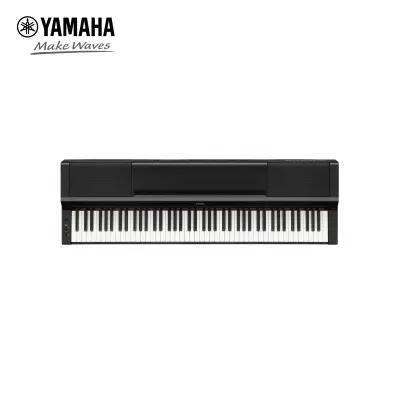
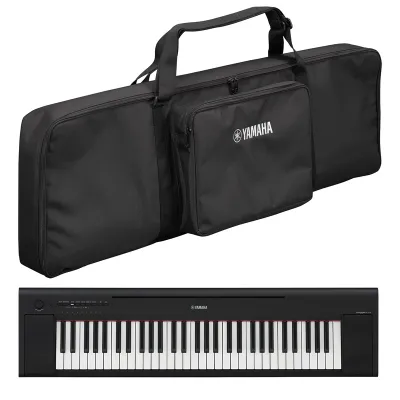
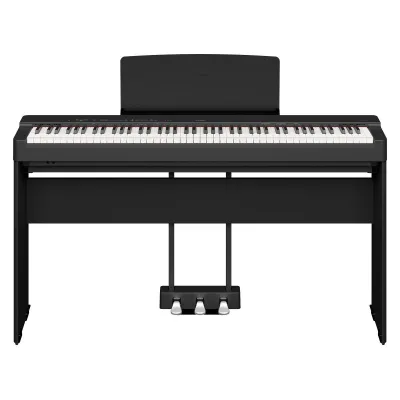
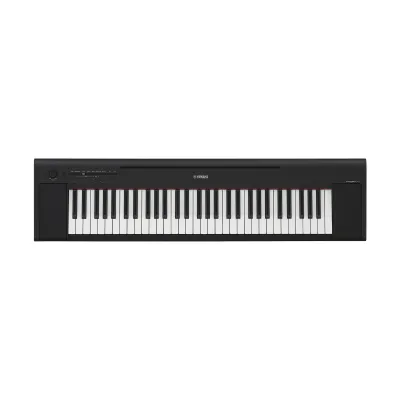
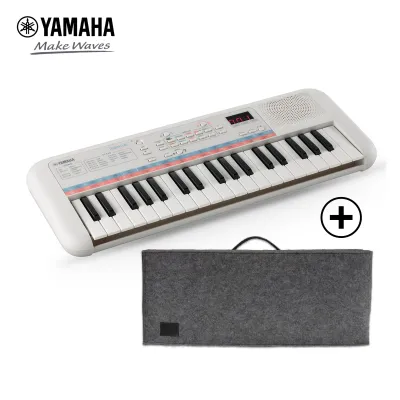
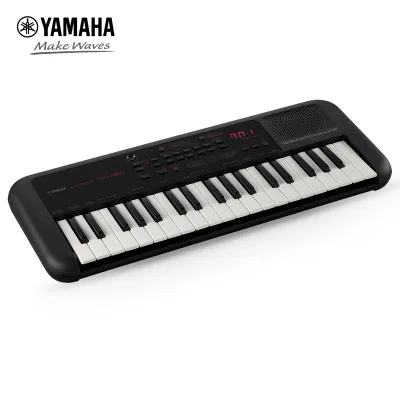
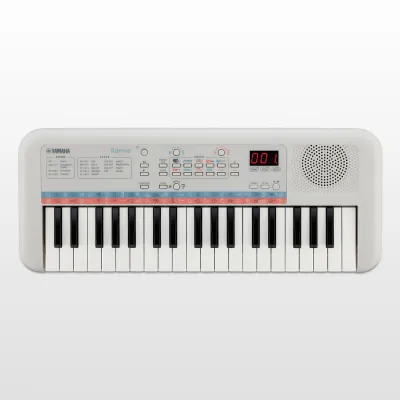
Prices are valid at publication and may change. Please refer to the product page for the latest price.
Maintenance requirements differ significantly between the two formats. An acoustic piano is a living instrument made of wood, felt, and metal, meaning it reacts constantly to its environment. To keep an acoustic piano in playable condition, you must commit to regular professional tuning, typically recommended twice a year in Singapore. Digital pianos require virtually no physical maintenance beyond regular dusting. They do not go out of tune, and any updates are handled via simple software or firmware installations, eliminating ongoing maintenance fees.
Your initial budget in S$ and long-term operational costs should also guide your decision. While entry-level digital pianos require a lower initial financial outlay, acoustic pianos are long-term investments that can last for decades if properly maintained. However, acoustic ownership comes with recurring costs, including professional tuning fees, moving costs, and the electricity required to run a dedicated piano dehumidifier continuously. Digital models have negligible running costs, consuming only a small amount of electricity during active play.
Essential Features to Evaluate in Beginner Yamaha Pianos
When evaluating beginner Yamaha pianos, the action of the keys is the most critical feature for developing proper playing technique. Beginners must look for weighted keys that simulate the mechanical resistance of an acoustic piano’s hammer action. Yamaha utilizes various key action technologies, such as Graded Hammer Standard (GHS) or GrandTouch-S, which provide heavier resistance in the lower register and a lighter touch in the high notes. This resistance is essential for building finger strength, hand posture, and the ability to control dynamics from soft to loud.

For digital models, understanding polyphony and sound engine specifications prevents technical limitations as you progress. Polyphony refers to the maximum number of individual notes or tones the piano can produce simultaneously. A low polyphony count can lead to dropped notes when playing complex chords or using the sustain pedal. Beginners should look for a minimum of 64-note polyphony, though 128-note or 192-note polyphony is highly recommended to ensure the instrument can handle intermediate classical repertoire without clipping the sound.
Physical ergonomics and setup play a vital role in preventing fatigue and injury during long practice sessions. Whether choosing a portable or console model, the keyboard must be positioned at the correct height relative to the bench. A proper setup allows the player’s forearms to rest parallel to the floor, with relaxed shoulders and curved fingers. When testing a piano, ensure the music rest is at eye level and that the bench height can be adjusted to accommodate growing children or different adult learners.
Modern connectivity options greatly enhance the learning experience for self-directed beginners. Many digital Yamaha models feature USB-to-Host ports or built-in Bluetooth connectivity. These interfaces allow you to connect the piano to tablets or computers, enabling seamless integration with interactive learning applications, digital sheet music, and music production software. This connectivity can make daily practice more engaging for young learners and provide immediate visual feedback on note accuracy and timing.
Navigating Yamaha's Core Piano Series for Beginners
Yamaha organizes its piano lineup into distinct series, each designed to meet specific user needs, budgets, and space constraints. For those committed to an acoustic instrument, the b Series represents the entry point, offering compact upright designs that fit comfortably against apartment walls while delivering a traditional acoustic experience. For learners seeking a more robust cabinet and enhanced tonal resonance, the intermediate U Series uprights are a standard benchmark in music schools, known for their durable construction and clear, bright projection.
If portability and space efficiency are your top priorities, the P Series of digital pianos is highly suitable. These instruments feature slim, lightweight designs that can be placed on a folding stand or a dedicated wooden frame. While highly portable, buyers should note that these models often require separate purchases for stable stands and a full three-pedal unit to replicate the pedal layout of an acoustic piano. This series is ideal for students who may need to transport their instrument or who have highly limited floor space.
For a more permanent home setup without the maintenance of an acoustic, the ARIUS or YDP Series console digital pianos are an excellent middle ground. These models are housed in attractive wooden cabinets that mimic the look of a traditional piano, complete with a sliding key cover and an integrated three-pedal system. The ARIUS series provides a stable, ergonomic playing experience and a more substantial speaker system than portable models, making it a popular choice for family living rooms.
Before making a final decision, it is crucial to verify current model availability, exact specifications, and recent generation updates. Yamaha frequently updates its product lines with improved sound samples and key actions. Visiting an authorized local dealer in Singapore allows you to test the physical touch of different series side-by-side, confirm which accessories are included in the purchase price, and ensure you are buying the latest version of your chosen model.
Pre-Purchase Checklist for Buying in Singapore
To ensure a secure and satisfying purchase, beginners should follow a structured checklist before finalizing their order. First, always verify that you are purchasing from an authorized Yamaha dealer or a reputable local retailer. Buying parallel imports from unauthorized online marketplaces may seem cost-effective initially, but these instruments often lack a valid local warranty, leaving you without recourse if the electronics fail or the wood structural components warp in Singapore’s climate.
Second, clarify the exact terms of the warranty, delivery logistics, and post-sale services. Confirm whether the purchase price includes professional delivery to your home, especially if you live in an apartment that requires navigating stairs or tight corridors. For acoustic pianos, ask if the retailer includes a complimentary first tuning after delivery, as the instrument will need time to settle into its new environment. For digital models, verify if the package includes the power adapter, music rest, sustain pedal, and bench.
Third, perform a thorough physical inspection of the instrument, whether it is brand new or pre-owned. Play every single key from the lowest bass note to the highest treble note to check for consistent resistance, smooth return action, and any unusual clicking sounds. Inspect the cabinet finish for scratches, dents, or signs of moisture damage. If purchasing a pre-owned acoustic piano, it is highly recommended to hire an independent piano technician to inspect the internal soundboard, hammers, and tuning pins for structural integrity.
Finally, confirm the retailer’s return policy and exchange conditions. Even after careful testing in a showroom, the acoustics of your home or the physical feel of the instrument during daily practice may differ from your expectations. Understanding the return window, potential restocking fees, and the process for exchanging a defective unit will provide peace of mind and protect your investment as you begin your musical journey.
Frequently Asked Questions (FAQ)
Do beginners need an 88-key Yamaha piano?
Yes, beginners should strongly prioritize a full 88-key piano from the start of their learning journey. Standard music curricula, including graded examination boards like the ABRSM, are designed around a full-sized keyboard layout. While a smaller 61-key or 76-key keyboard may seem sufficient for the first few months of basic melodies, you will quickly run out of keys as you progress to classical repertoire and two-handed scales. Furthermore, smaller keyboards rarely feature fully weighted hammer action, which is essential for developing the finger strength and muscle memory required to transition to traditional acoustic pianos.
How does Singapore's climate affect acoustic Yamaha pianos?
Singapore’s tropical climate, characterized by high relative humidity often exceeding 80%, poses significant challenges for acoustic pianos. Excessive moisture causes the wooden components of the piano to swell, leading to sticky keys, sluggish action, and warped soundboards. It also causes the metal strings and tuning pins to rust prematurely, severely affecting tuning stability. To protect your investment, it is essential to install an internal piano dehumidifier rod and keep it switched on continuously. Additionally, place the piano away from direct sunlight, exterior walls that absorb heat, and direct drafts from air-conditioning vents to minimize temperature and humidity fluctuations.

Community discussion
Share your experience or ask a question. Comments are reviewed before publication.