
Finding a collapsible cajon that balances sound quality and portability requires looking closely at how the instrument is engineered to seal air and maintain structural rigidity. While traditional cajons rely on a solid, glued wooden box to produce deep bass and crisp slaps, folding models must achieve similar acoustic compression using hinges, latches, or interlocking panels. To make an informed choice, you must evaluate how different brands handle these mechanical joints, as any air leakage or structural flexing will directly compromise your tone.
Understanding the Acoustic Trade-Offs of Folding Designs
The acoustic performance of any cajon relies heavily on the physics of Helmholtz resonance. When you strike the front playing surface, known as the tapa, the air inside the wooden chamber compresses. This compressed air then escapes through the sound port, creating the deep, resonant bass tone characteristic of the instrument. In a traditional solid-box cajon, the glued joints ensure that air can only escape through the designated sound port, maximizing acoustic efficiency and low-end projection.
With a collapsible cajon, the introduction of folding joints, hinges, and seams creates potential pathways for air to escape prematurely. If a brand’s design does not feature a tight seal along these seams, the internal air pressure drops rapidly upon impact. This loss of compression results in a thin, boxy bass tone that lacks punch and sustain. Therefore, when evaluating different brands, it is essential to look at how they address air sealing, such as through the use of rubber gaskets, tongue-and-groove panel alignments, or precision-machined interlocking edges.
Products mentioned in this guide
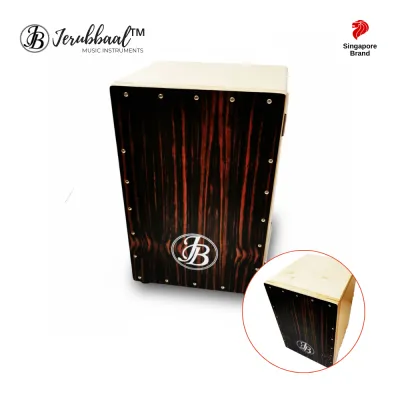
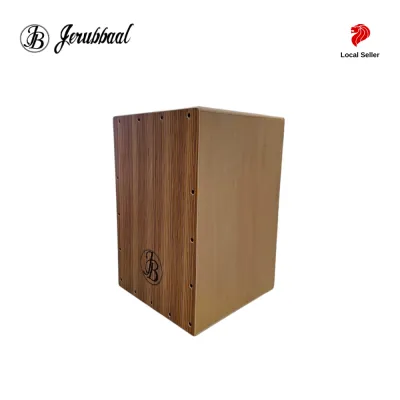
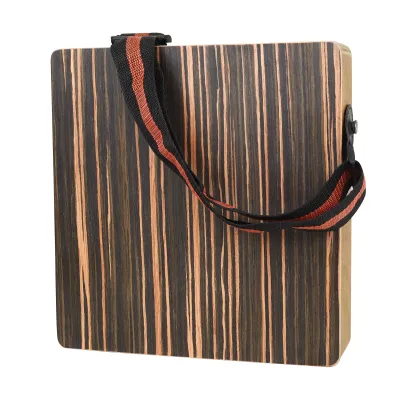
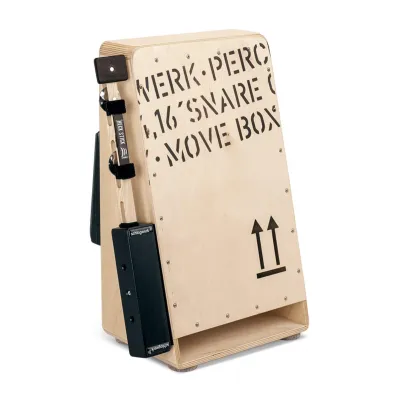
Prices are valid at publication and may change. Please refer to the product page for the latest price.
The structural design of portable cajons generally falls into two categories: fully flat-pack designs and partially foldable hinged designs. Flat-pack models consist of individual panels that completely detach from one another, allowing them to be stacked flat for transport. These models often use threaded metal inserts and hand-tightened screws to pull the panels tightly together, creating a highly secure and airtight seal that closely mimics a solid cajon. However, they require more time and effort to assemble and disassemble.
In contrast, partially foldable hinged designs feature panels that remain connected by hinges and fold accordion-style into a compact shape. While these models offer incredibly fast setup times, they rely heavily on the durability of the hinges and the alignment of the folding panels to maintain an airtight seal. Over time, frequent folding and unfolding can cause minor misalignments, which may lead to air leaks and a subsequent loss of bass resonance.
Frame rigidity is another critical factor that directly impacts both sound quality and playability. When you play a cajon, you sit directly on top of the instrument, using your body weight to stabilize it. A collapsible cajon must be engineered to withstand this downward force without flexing or bowing. If the frame lacks rigidity, the structural deflection can alter the distance between the tapa and the internal snare wires or strings, leading to inconsistent snare response, unwanted buzzing, or a deadened tone. High-quality brands use robust internal bracing or reinforced vertical supports to ensure the instrument remains completely rigid under load.
Core Specifications to Compare Across Cajon Brands
When comparing collapsible cajon brands, analyzing the physical and acoustic specifications will help you understand how each manufacturer balances portability with sound quality. The first specification to examine is the thickness and material of the playing surface, or tapa. The tapa is the primary driver of the instrument’s tone, and its responsiveness determines how well the cajon projects high-pitched slaps and low-pitched bass notes.

Most reputable percussion brands construct their tapas from high-quality wood veneers, such as birch or beech. Birch is widely favored for its bright, cutting high frequencies and balanced low end, making it excellent for projecting slaps in acoustic ensembles. Beech offers a slightly warmer, punchier midrange that blends well with other acoustic instruments. The thickness of the tapa typically ranges from 2mm to 3mm; a thinner tapa is highly responsive to delicate finger techniques but requires a perfectly flat, rigid frame to prevent warping and maintain consistent tension.
The internal snare system is another crucial specification that defines the cajon’s acoustic character. Brands generally employ one of two systems: snare wires or guitar strings. Snare wire systems, which utilize cut sections of standard drum snares pressed against the back of the tapa, deliver a modern, crisp, and buzzy slap. Guitar string systems, which feature steel strings stretched vertically across the back of the tapa, provide a more traditional, sizzly flamenco sound.
In a collapsible cajon, the adjustability of these snare systems is paramount. Because the instrument is frequently disassembled and transported, the snare tension can shift. Look for brands that offer external adjustment mechanisms, such as tensioning dials, levers, or easily accessible Allen key screws. An externally adjustable system allows you to fine-tune the snare response on the fly without needing to open or disassemble the cajon mid-performance.
Finally, compare the physical dimensions and weight limits specified by the manufacturer. A standard full-sized cajon typically measures approximately 30 centimeters in width and depth, with a height of 45 to 50 centimeters. Collapsible models should ideally match these assembled dimensions to ensure a comfortable playing posture. However, their folded footprint is where they differ significantly; some models collapse to a thickness of less than 10 centimeters, making them highly portable. Always verify the maximum weight capacity of the assembled instrument, as a lower weight limit may indicate a less robust structural design that could fail under active playing conditions.
Assessing Hardware Durability and Folding Mechanisms
The longevity of a collapsible cajon depends almost entirely on the quality of its hardware and folding mechanisms. Because these instruments are designed to be repeatedly assembled, played, and packed away, the moving parts are subjected to significant mechanical stress. When evaluating different brands, pay close attention to the materials and designs of the hinges, latches, and locking pins.
High-quality collapsible cajons utilize heavy-duty metal hardware, such as recessed steel hinges, butterfly latches, or spring-loaded locking pins. Recessed hinges are particularly advantageous because they sit flush with the wooden panels, preventing them from catching on your clothing or getting damaged during transport. Avoid brands that rely on plastic clips, velcro straps, or thin tension bands to hold the structure together, as these materials degrade quickly under the physical vibrations of playing and the environmental conditions of travel.
Corner and edge protection is another indicator of a durable design. The corners of a cajon are highly vulnerable to impact damage when loading in and out of venues or traveling. Look for brands that incorporate reinforced corner caps made of high-impact plastic or rubber, as well as rubberized feet on the bottom panel. These feet not only protect the wood from rough surfaces but also isolate the instrument from the floor, preventing unwanted bass energy from transferring into the stage and causing muddy sound.
Additionally, consider the availability of replacement hardware and the manufacturer’s warranty terms. Because a collapsible cajon has more moving parts than a traditional solid model, the risk of a component wearing out over time is naturally higher. Reputable brands often offer dedicated replacement parts, such as spare latches, rubber gaskets, or snare adjustment screws, which can be easily ordered and installed. A comprehensive warranty that covers hardware defects provides peace of mind and ensures that your investment is protected against premature mechanical failure.
Pre-Purchase and Setup Verification Checklist
To ensure you select a collapsible cajon that meets your performance and travel needs, it is highly beneficial to perform a systematic verification process before finalizing your purchase. Whether you are testing an instrument in a local music shop or inspecting a newly delivered model at home, running through a practical checklist will help you identify any potential issues.
Begin by timing the assembly and teardown process. A well-designed collapsible cajon should be intuitive and quick to set up, ideally taking no more than two minutes without requiring specialized tools. If the assembly process is overly complex, involves numerous loose screws that can easily be misplaced, or requires significant physical force to align the panels, it may become a source of frustration during fast gig changeovers.
Next, conduct a thorough rattle test to check for unwanted mechanical noise. Assemble the cajon completely, sit on it, and play a series of bass strokes and corner slaps at various dynamic levels. Listen closely for any high-frequency metallic buzzing, clicking, or rattling that does not originate from the snare system itself. These unwanted vibrations are often caused by loose hinges, poorly fitted latches, or gaps between the folding panels, and they can severely compromise your sound, especially when performing in quiet acoustic settings or recording with sensitive microphones.
Finally, evaluate the quality and fit of the included carrying bag or travel case. A collapsible cajon is designed for mobility, making a high-quality gig bag an essential component of the package rather than a mere accessory. Verify that the bag features at least 10 millimeters of high-density foam padding to protect the wooden panels from impacts. The bag should also have heavy-duty, smooth-gliding zippers, reinforced stitching at key stress points, and comfortable, adjustable backpack straps for easy transport.
In humid climates like Singapore, a well-insulated, weather-resistant gig bag is particularly important. Rapid transitions between air-conditioned indoor venues and hot, humid outdoor environments can cause wood to expand and contract quickly, potentially warping the panels and misaligning the folding joints. A padded, weather-resistant bag acts as a thermal and moisture barrier, helping to stabilize the instrument’s microclimate during transit and preserving its structural integrity over the long term.
Frequently Asked Questions (FAQ)
Can a collapsible cajon be used for professional live gigs?
Yes, a high-quality collapsible cajon can certainly be used for professional live performances, provided you manage its acoustic limitations. Because folding designs may experience minor air loss through their seams, their natural acoustic volume and bass projection can be slightly lower than those of a premium solid-wood cajon. To compensate for this on stage, you will typically need to use an external microphone. Placing a boundary microphone inside the sound port or positioning a dynamic microphone near the rear port will capture the full depth of the bass and the crispness of the slaps. Additionally, ensure that the locking mechanisms are fully engaged and secure before stepping onto the stage, as high-energy playing can put significant stress on the joints.
How do I prevent the folding joints from loosening over time?
Preventing the folding joints from loosening requires a combination of regular maintenance and proper storage. Before every playing session, perform a quick visual inspection of all hinges, screws, and locking pins, and gently tighten any loose fasteners using the manufacturer’s recommended tools. Be careful not to over-tighten, as this can strip the wooden threads or damage the metal inserts. To protect the wood from warping—which can misalign the joints and compromise the airtight seal—always store your collapsible cajon in a climate-controlled environment with stable humidity levels. In highly humid regions like Singapore, keeping the instrument in its padded gig bag with a few silica gel packs when not in use will help absorb excess moisture and maintain the structural alignment of the folding panels.

Community discussion
Share your experience or ask a question. Comments are reviewed before publication.