
To compare popular cajon brands effectively, you must look beyond aesthetic designs and focus on how a manufacturer’s material choices, snare configurations, and construction methods shape the instrument’s voice. While one brand might excel at producing a sharp, sizzling snare slap ideal for flamenco, another might prioritize a deep, warm bass resonance suited for acoustic rock. Finding the right cajon requires evaluating these physical attributes against your specific playing style, performance environments, and budget.
Understanding the structural differences between manufacturers allows you to make an informed decision rather than relying solely on brand reputation. Different brands approach the balance of bass and treble tones through distinct engineering philosophies. By learning how to inspect the shell, the playing surface, and the internal snare mechanism, you can identify which instrument will deliver the precise acoustic response you need for your music.
Core Dimensions for Evaluating Cajon Brands
When evaluating different cajon manufacturers, the shell material serves as the foundation of the instrument’s acoustic profile. Most brands construct their shells from plywood, but the type of wood used significantly influences the overall resonance and weight. Birch and beech are industry standards for professional models, valued for their balanced frequency response, clear projection, and structural stability. Hardwoods like walnut, oak, or mahogany offer warmer, darker tones with a richer low-end, while composite materials or fiberglass provide high durability and a very consistent, punchy sound that remains unaffected by changes in humidity.
Products mentioned in this guide
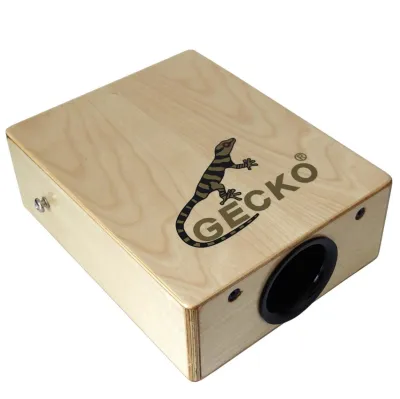

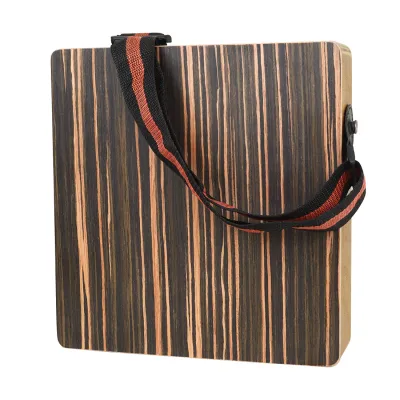
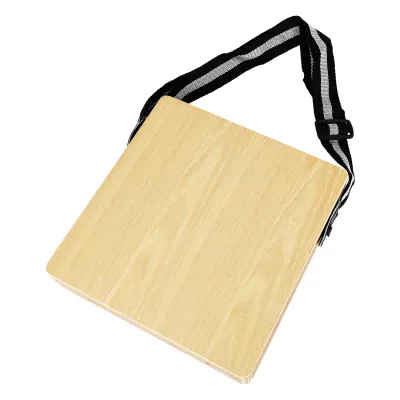


Prices are valid at publication and may change. Please refer to the product page for the latest price.
The snare system is another critical differentiator among brands, directly affecting the instrument’s treble response and slap sound. Traditional Spanish-style cajons utilize guitar strings stretched vertically behind the playing surface, which can often be tuned to adjust the amount of sizzle and control unwanted buzz. Modern designs frequently employ snare wires—similar to those found on a snare drum—cut in half and pressed against the back of the tapa. Some brands implement a snare-less design, often referred to as a Peruvian cajon, which focuses entirely on clean, woody tones and a distinct separation between the bass and edge tones.
The playing surface, or tapa, is the most sensitive component of the cajon, and its construction varies widely across brands. Tapa thickness typically ranges from 2mm to 3mm; thinner tapas are highly responsive to light finger techniques but require a delicate touch, while thicker tapas offer greater durability and a slightly drier sound. Additionally, how the tapa is attached to the shell matters. Screwed tapas allow you to adjust the tension of the top corners to create a distinct “clack” sound when slapped, whereas glued tapas offer a more integrated, resonant tone but lack this adjustability.
Matching Sound Profiles to Build and Material
Connecting a brand’s construction choices to the actual sound produced is essential for matching the instrument to your musical genre. Bright and articulate tones are highly sought after for flamenco, acoustic pop, and world music where fast, intricate hand patterns need to cut through the mix. Brands achieve this clarity by pairing thin, highly responsive tapas made of hardwoods like maple or birch with rigid, dense shells. This combination ensures that the high-frequency slaps remain crisp and distinct, with minimal muddy bleed into the bass register.

Conversely, if your playing style demands a deep, resonant bass response to mimic a drum kit in an unplugged acoustic set, you should look for brands that utilize thicker shells or specialized internal designs. A thicker shell, often around 9mm to 12mm, provides the structural mass needed to project low-frequency sound waves. Some manufacturers also incorporate internal bass reflex ports or sound-filtering tubes that channel the air downward and outward, boosting the bass punch without requiring a larger overall instrument size.
Snare sensitivity and adjustability are where brand engineering truly shines. A well-designed snare system allows you to control the balance between the dry wood sound and the snare buzz. Some brands feature external knobs, levers, or Allen key mechanisms that let you quickly adjust the snare tension or even disengage the snares entirely while playing. This adjustability is crucial for controlling overtones; a poorly designed or non-adjustable snare system can result in an annoying, constant buzz whenever you strike the bass zone, muddying your performance.
Inspecting Build Quality and Hardware
Before purchasing a cajon, a physical inspection of the build quality and hardware can reveal the level of craftsmanship and predict the instrument’s long-term durability. Examine the joint construction where the panels of the shell meet. High-quality brands utilize interlocking joints, such as dovetail or finger joints, which distribute mechanical stress evenly and maximize the wood-to-wood contact area for superior resonance. Cheaper, mass-produced models may rely on basic butt joints reinforced only with glue, which are more prone to splitting under the pressure of a seated player or during transport.
The hardware components, though small, play a vital role in the cajon’s performance and usability. Inspect the rubber feet on the bottom of the instrument; they should be thick, soft, and securely bolted rather than glued. High-quality rubber feet isolate the cajon from the floor, preventing the bass frequencies from being absorbed by the stage and keeping the instrument from sliding during energetic play. Additionally, check any tuning mechanisms or snare adjustment screws to ensure they turn smoothly without binding or stripping, which indicates robust metal hardware.
Finally, pay close attention to the finish quality and player comfort features. The top edges and corners of the cajon, where your hands and legs make contact, should be generously rounded and sanded smooth. Sharp edges can cause discomfort, bruising, or skin irritation during extended playing sessions. Peer through the sound hole to inspect the interior; clean internal bracing, minimal glue squeeze-out, and neat snare mounting indicate a manufacturer that prioritizes quality control and acoustic integrity throughout the entire build process.
Understanding Price Tiers and Overall Value
Navigating the price tiers of popular cajon brands helps you align your expectations with your budget and recognize true value. Entry-level and mass-produced models, typically priced under S$150, are generally constructed from medium-density fiberboard (MDF) or basic plywood with fixed internal snare wires. While they may lack complex acoustic nuances, they offer excellent durability and a standard, recognizable sound, making them ideal for beginners, schools, or casual outdoor jam sessions where environmental exposure is a concern.
Mid-tier professional models, ranging from S$150 to S$400, represent the sweet spot for most gigging musicians and serious students. In this segment, brands utilize high-quality tonewoods like birch or beech, offer adjustable snare systems, and implement superior joint construction. These instruments deliver a much clearer separation between bass and slap tones, allowing for more expressive playing. They are built to withstand the rigors of regular transport and frequent performances in diverse venues.
Boutique or custom-tier instruments, often priced above S$400, are handcrafted by specialized artisans using exotic materials like ebony, rosewood, or custom-engineered composite tapas. These cajons feature meticulous internal bracing, highly specialized snare designs, and exquisite aesthetic finishes. They are designed for recording artists and percussion specialists who require uncompromised acoustic sensitivity, precise tonal control, and a unique visual presence on stage.
When evaluating overall value, look beyond bundled accessories like gig bags, instructional books, or percussion brushes. While these add-ons are convenient, they should not distract from the core acoustic performance of the instrument. A well-constructed cajon with a resonant shell and a responsive tapa will always offer better long-term value than a poorly made instrument packed with cheap accessories, as a high-quality build will inspire you to play more and last for years.
Decision Framework: Choosing the Right Brand Tier
To finalize your choice, apply a conditional framework based on your musical goals, playing environments, and technical requirements. If you are a beginner exploring percussion, or if you need a rugged, low-maintenance instrument for casual beach gatherings and travel, an entry-level model from a reputable mass-market brand is the most practical choice. These instruments provide the necessary durability and a standard sound profile without requiring a significant financial commitment.
If you are a gigging musician, a member of an acoustic band, or a student dedicated to mastering the instrument, you should step up to a mid-tier professional brand. Look for models that feature adjustable snare systems and high-quality birch or beech shells. This tier provides the tonal separation, hardware reliability, and projection needed to perform confidently in live venues and blend seamlessly with other acoustic instruments in a studio setting.
For percussion specialists, professional recording artists, or those performing specific genres like traditional flamenco that demand extreme dynamic range, a boutique or custom-tier cajon is the ideal investment. The handcrafted details, exotic tonewoods, and precise acoustic tuning of these instruments ensure that every subtle finger stroke is captured with absolute clarity and warmth, providing an unmatched playing experience.
Before making your final purchase, always verify the practical aspects of ownership in your region. Check if the brand offers local warranty support and if replacement parts, such as replacement snare wires or tuning keys, are easily accessible. Additionally, ensure that any accessories you plan to use, such as cajon pedals, pickup systems, or specialized gig bags, are fully compatible with the specific dimensions and design of the model you choose.

Community discussion
Share your experience or ask a question. Comments are reviewed before publication.