
A child needs a piano pedal extender if they are physically ready to begin pedaling in their musical curriculum but cannot reach the piano’s built-in pedals while maintaining proper, balanced posture. If your child’s feet dangle in the air or they must slide to the edge of the bench to press the sustain pedal, an extender provides the necessary mechanical bridge. This accessory ensures they can develop correct pedaling techniques without compromising their spinal alignment or hand position.
However, before purchasing this equipment, you must evaluate both physical growth and musical readiness. Introducing pedaling too early can lead to poor habits and physical strain, while waiting too long might hold back their musical expression. Understanding the specific signs of readiness will help you make an informed decision for your young pianist’s development.
Physical Signs Your Child is Ready for the Pedals
Proper piano posture requires a stable foundation, which starts from the ground up. When a child sits at the correct height to position their hands over the keyboard, their feet should ideally rest flat on a solid surface. If their legs dangle freely, they lose the core stability needed to control their arm movements and finger pressure. A pedal extender acts as an elevated floor, providing this essential grounding while bringing the pedal mechanism within reach.
Products mentioned in this guide
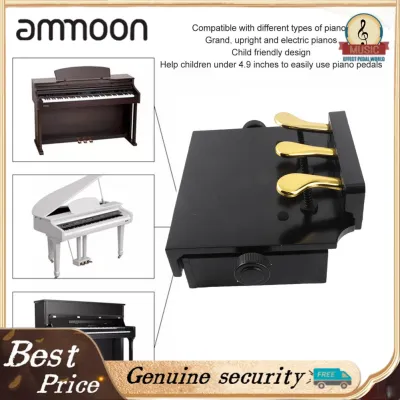
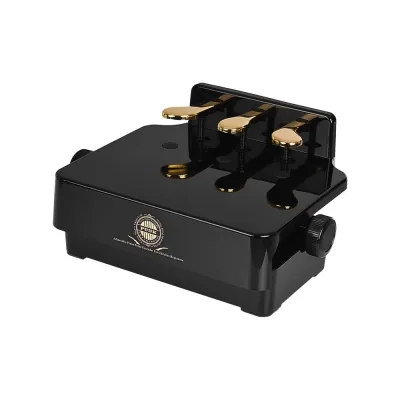
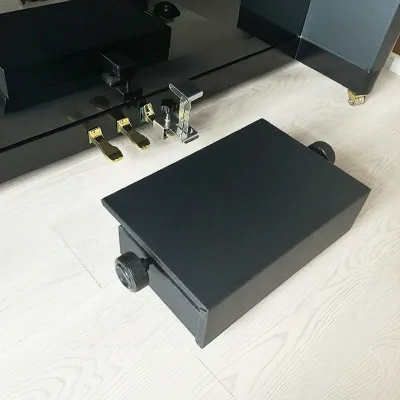
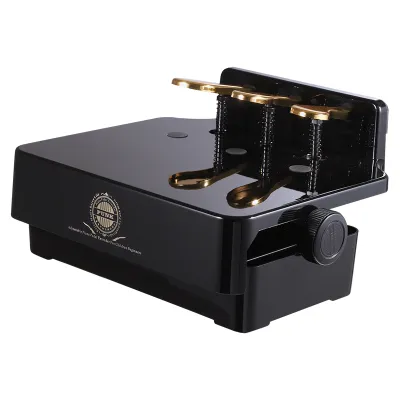
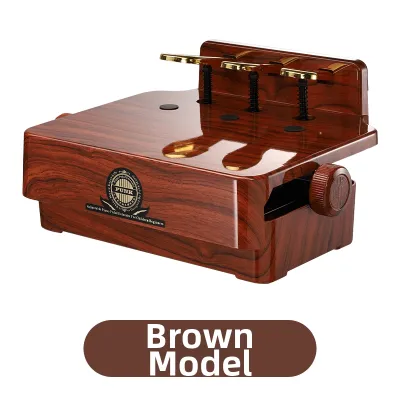
Prices are valid at publication and may change. Please refer to the product page for the latest price.
To assess physical readiness, observe your child’s leg length and knee angle when they attempt to reach the piano’s built-in sustain pedal. If they must stretch their leg completely straight or tilt their pelvis forward to touch the pedal, they are not yet physically tall enough to use the built-in pedals safely. The knee should maintain a comfortable, slightly bent angle, allowing the ankle to act as a hinge rather than forcing the entire leg to strain.
Core stability and balance are critical indicators of physical readiness. Watch your child’s upper body while they practice. If they attempt to press a pedal and their shoulders drop, their wrists collapse, or they lean heavily to one side, they lack the core strength to coordinate the movement. A stable pedal extender supports their feet, allowing them to maintain a quiet, balanced torso and proper hand position while executing pedal changes.
Musical and Technical Readiness Indicators
Physical size is only half of the equation; your child’s musical curriculum must also call for pedaling. Consult your child’s piano teacher to determine if their current repertoire requires the sustain pedal. Early-beginner pieces rarely use the pedal, focusing instead on note reading and basic finger independence. When pieces begin to demand sustained chords, legato transitions, or specific atmospheric effects, the teacher will signal that it is time to introduce pedaling.

Before adding the complexity of footwork, a student must demonstrate a solid grasp of basic rhythm and clean note releases. If a child struggles to keep a steady beat or tends to hold notes down longer than written, introducing the sustain pedal will only muddy their playing. They must first master the ability to play cleanly with their fingers alone, understanding exactly when a sound should start and stop.
Coordination is the final technical hurdle. Using the pedal requires independent movement of the hands and feet, often in opposing rhythms—a technique known as syncopated or legato pedaling. Your child should be able to play a simple melody with steady tempo and relaxed wrists before attempting to coordinate foot presses. If adding the foot causes their hands to tense up or their timing to falter, they need more time to build basic coordination.
Risks of Introducing the Pedal Too Early
Forcing a child to use the piano’s built-in pedals before they are physically ready leads to immediate postural compensation. To reach the floor, children will naturally slide forward to the very edge of the bench, causing their lower back to arch excessively or tense up. This unstable position deprives them of the support needed for their arms, leading to stiff shoulders and a tight, restricted touch on the keys.
Technically, early pedal use often breeds bad habits that are incredibly difficult to break later. Young students frequently use the sustain pedal as a “crutch” to mask poor finger legato or uneven note transitions. Instead of connecting notes smoothly with their fingers, they rely on the pedal to blur the gaps, which hinders the development of proper finger strength, articulation, and control.
There are also genuine physical risks associated with chronic overreaching. The heavy spring tension of standard acoustic piano pedals requires significant force to depress. A young child straining to reach these pedals puts unnatural pressure on their knees, ankles, and hip joints. Over time, this repetitive strain can cause discomfort, fatigue, and a growing reluctance to practice.
Alternatives and Adjustments Before Buying an Extender
Before investing in a pedal extender, you can make several adjustments to your child’s current setup to optimize their reach. Start by evaluating the height and distance of the piano bench. Using an adjustable bench allows you to set the keyboard at the perfect height relative to the child’s elbows, while sliding the bench slightly closer can improve their natural center of gravity and make reaching downward easier.
If your child does not yet need to use the pedals for their pieces but requires postural support, a simple, sturdy footstool is an excellent temporary solution. Placing a flat box or stool under their feet prevents dangling and provides the necessary grounding for their core. Keep in mind that this setup is strictly for posture and cannot be used to operate the actual piano pedals.
You can also help your child prepare for future pedaling by practicing “ghost pedaling” or rhythmic foot tapping away from the instrument. Have them sit on a chair with their feet flat on the floor and practice lifting their toes while keeping their heel grounded, mimicking the pedaling motion. This simple exercise builds ankle flexibility and coordination without the physical strain of pressing a heavy mechanical pedal.
What to Look for When Choosing a Piano Pedal Extender
If you determine that a pedal extender is necessary, selecting the right model requires careful evaluation of several structural features. Look for an extender with a robust height adjustability mechanism, typically controlled by side knobs or a gas-lift system. This feature ensures the device can grow alongside your child and can be adjusted to fit different piano models, whether you own an acoustic upright, a grand, or a digital piano.
Base stability and weight are crucial for safety and usability. A high-quality pedal extender should be heavy enough to remain firmly in place during vigorous playing. Look for models equipped with non-slip rubber feet or grips on the bottom to prevent the unit from sliding away from the piano. The platform itself should have a wide, stable footprint to prevent tipping when the child presses down on the pedals.
Finally, verify the compatibility of the extender with your specific instrument. Measure the spacing, height, and width of your piano’s existing pedals to ensure the extender’s mechanical arms will align correctly. Some digital pianos have non-standard pedal shapes or lightweight plastic pedals that may require specific extender designs, so checking these dimensions beforehand will prevent compatibility issues.
Frequently Asked Questions (FAQ)
At what age do children typically start using the piano pedal?
There is no universal age for starting pedal work, as physical growth and coordination vary widely among children. Generally, many young pianists begin exploring the sustain pedal around seven to nine years of age, when their legs have grown long enough to maintain a stable seated posture. However, a piano teacher’s practical assessment of the child’s physical reach and musical progress is far more important than chronological age.
Can a regular footstool be used instead of a pedal extender?
A regular footstool is excellent for supporting a child’s posture and preventing dangling feet, but it cannot replace a pedal extender for actual playing. Standard stools lack the mechanical linkage required to depress the piano’s heavy pedals. Attempting to place unstable, unanchored objects near the pedals to mimic the action poses safety risks and can damage the piano’s finish or pedal mechanism.

Community discussion
Share your experience or ask a question. Comments are reviewed before publication.