
Deciding whether to purchase a dedicated electronic dictionary or rely entirely on a smartphone translation app comes down to your learning goals, study habits, and the depth of language mastery you require. While smartphones offer instant, free, and highly convenient translation tools, they also bring constant digital distractions and often lack the authoritative, deeply indexed databases needed for serious academic study. For casual travelers or beginner learners, a phone app is usually more than sufficient. However, for intermediate to advanced students, professionals, and those preparing for formal language examinations, a dedicated electronic dictionary remains an invaluable tool that fosters deep focus and provides reliable, offline linguistic resources.
Signs You Might Outgrow Phone Translation Apps
As you progress from basic vocabulary to complex sentence structures, the limitations of standard smartphone translation apps often become apparent. One of the first signs of outgrowing these apps is a frequent need for deep linguistic context. When you look up a word, a simple one-to-one translation is rarely enough to help you use it correctly in a sentence. You may find yourself needing comprehensive example sentences, grammatical collocations, register notes, and etymological origins—details that free translation apps frequently omit or simplify.
Another major indicator is the constant struggle with digital distractions. When you unlock your phone to look up a word, you are immediately exposed to social media notifications, messaging alerts, and emails. This constant interruption breaks your cognitive flow, turning a quick vocabulary check into a multi-minute detour. If you find that your study sessions are repeatedly derailed by the very device you use to learn, separating your reference tools from your communication tools becomes necessary.
Products mentioned in this guide
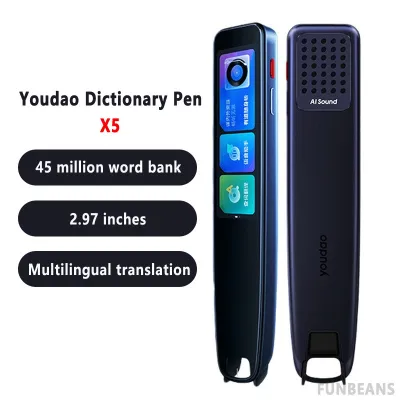
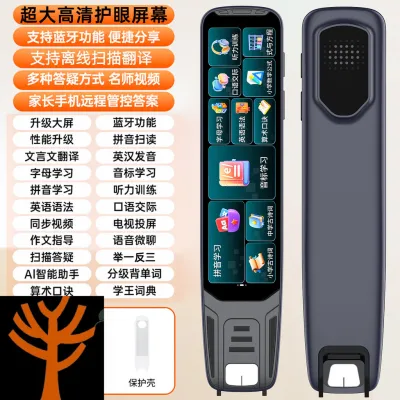
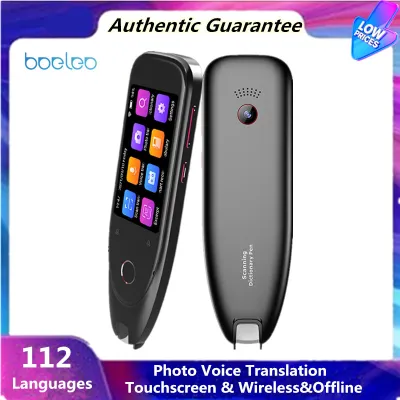
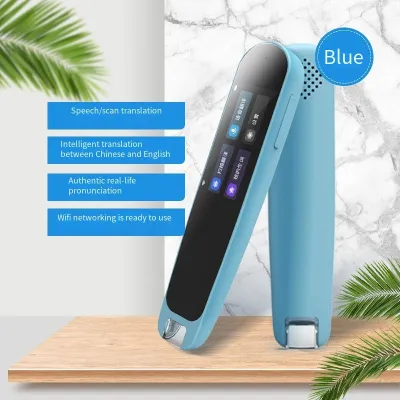
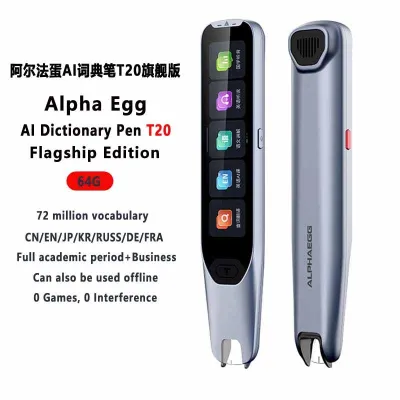
Prices are valid at publication and may change. Please refer to the product page for the latest price.
Reliable offline access is also a critical factor, especially in environments with poor or restricted internet connectivity. Many school classrooms, examination halls, and study areas have strict rules against smartphone use or suffer from weak cellular signals. If your learning depends on an active internet connection to fetch translations, your study routine remains vulnerable to service disruptions.
Finally, preparing for standardized language proficiency exams often requires access to specialized vocabulary databases and official dictionary editions. Free translation apps typically rely on crowdsourced databases or machine translation algorithms, which can introduce subtle errors or lack the precise terminology required for academic writing and formal assessments. If you find yourself cross-referencing multiple online sources just to verify a single definition, you have likely outgrown standard mobile apps.
When a Smartphone App Is All You Need
Despite the advantages of dedicated hardware, there are many scenarios where a smartphone translation app is entirely sufficient, saving you both money and desk space. If your primary goal is casual travel, basic conversational practice, or quick situational translations, a phone app is incredibly efficient. Features like real-time camera translation allow you to point your phone at a restaurant menu, street sign, or train schedule and receive an instant overlay in your native language—a task that traditional electronic dictionaries cannot perform as fluidly.

For learners who primarily consume digital media, such as reading online articles, watching foreign-language videos, or browsing social media, a smartphone offers seamless integration. You can easily copy and paste text directly into a translation app or use built-in system-level translation features without switching devices. This digital workflow is highly efficient for passive vocabulary acquisition and casual reading.
Budget constraints also play a significant role in this decision. High-quality electronic dictionaries represent a notable upfront financial investment, sometimes costing anywhere from S$100 to over S$400 depending on the included databases and features. If you are on a strict budget, you can leverage excellent free apps or low-cost subscription services that offer robust dictionary databases without the need to purchase separate hardware. For those who only study occasionally, the smartphone already in your pocket is the most practical tool.
Key Differences to Evaluate Before Buying
When comparing dedicated electronic dictionaries to mobile translation apps, several core functional and experiential trade-offs must be evaluated.
Focus and Distraction Management The most significant advantage of a dedicated electronic dictionary is its single-purpose design. Because these devices lack social media apps, web browsers, and messaging platforms, they create a closed study environment. This lack of connectivity is highly valued by educators and parents, as it ensures that study time is spent entirely on language acquisition rather than digital entertainment.
Input Methods and Ergonomics Dedicated electronic dictionaries are designed specifically for text entry and character lookup. Many models feature physical QWERTY keyboards, which offer tactile feedback and are more comfortable for typing long words or sentences during extended study sessions. Additionally, devices designed for character-based languages (such as Chinese, Japanese, or Korean) often include a stylus and a dedicated writing pad for precise handwriting recognition, which is often more accurate and responsive than standard smartphone touchscreens.
Data Depth and Authority The core value of an electronic dictionary lies in its pre-loaded, curated databases. These devices typically license complete, unabridged editions of prestigious dictionaries from established publishers (such as Oxford, Collins, or Kenkyusha). These resources are professionally edited, peer-reviewed, and structured to show precise grammatical patterns, synonyms, and cultural context. In contrast, many free translation apps rely on algorithmic translations or open-source databases, which can miss idiomatic nuances and provide grammatically incorrect suggestions.
Battery and Durability A dedicated electronic dictionary is built to last through long study sessions without draining your primary communication device. Many models run on standard AA batteries or have highly optimized rechargeable batteries that last for weeks on a single charge. This reliability ensures that you are never left without a translation tool because your phone battery died from constant screen-on time. Furthermore, these devices are built for academic environments, often featuring robust clamshell designs that protect the screen from drops and scratches.
How to Choose the Right Tool for Your Learning Stage
Selecting the right tool depends heavily on your current proficiency level, learning goals, and specific study environments.
Beginners and Casual Learners If you are just starting to learn a new language, it is best to stick to smartphone apps. At this stage, your primary focus should be on building basic vocabulary, practicing pronunciation, and establishing a daily study habit. The free resources available on your phone are more than enough to cover introductory grammar and common phrases without requiring an upfront hardware investment.
Intermediate to Advanced Students As you transition to reading literature, writing essays, or preparing for formal language examinations, a dedicated electronic dictionary becomes a highly beneficial investment. The depth of definitions, extensive example sentences, and lack of digital distractions will help you master the subtle nuances of the language. If you find yourself writing essays or translating complex texts, the physical keyboard and authoritative databases will significantly speed up your workflow.
Professionals and Translators For those using language skills in a professional capacity, the choice depends on the specific industry. Some high-end electronic dictionaries offer specialized databases for medical, legal, or technical terminology. However, many professionals also rely on desktop-based translation software and subscription databases. If you require specialized terminology, verify whether a candidate electronic dictionary includes those specific professional editions before purchasing.
Actionable Checklist Before Purchasing Before investing in a dedicated electronic dictionary, use this checklist to verify that the device meets your needs:
- Database Editions: Check the exact titles and editions of the pre-loaded dictionaries to ensure they are from reputable publishers.
- Language Pairs: Confirm that the device supports bidirectional translation for your specific target languages.
- Input Methods: Ensure the keyboard layout and handwriting recognition (if applicable) are comfortable for your daily use.
- Update Capabilities: Verify if the device supports database updates or storage expansion via memory cards or Wi-Fi.
- Exam Compliance: If you plan to use the device in an exam hall, check the official guidelines to ensure the model is approved for exam use.
Frequently Asked Questions (FAQ)
Are electronic dictionaries still being updated with new words?
Modern electronic dictionaries handle vocabulary updates differently depending on the model. Many contemporary devices feature built-in Wi-Fi connectivity, allowing you to download system updates and purchase supplementary dictionary databases directly from the manufacturer. Some models also offer expandable storage slots, enabling you to load new vocabulary files or specialized terminology packages. However, older or entry-level models often rely entirely on static, pre-loaded databases that cannot be updated, so it is essential to check the device specifications before buying.
Can I use my phone's offline translation mode instead of buying a device?
While many smartphone translation apps offer offline modes, they are generally simplified versions of their online counterparts. These offline app databases typically prioritize high-frequency vocabulary and basic conversational phrases to save storage space on your phone, which can result in limited search results for complex or academic terms. In contrast, a dedicated electronic dictionary contains complete, unabridged, multi-dictionary databases stored locally on the hardware, providing comprehensive definitions, collocations, and example sentences without requiring any internet connection.
Is an electronic dictionary worth the investment for a child learning a second language?
An electronic dictionary can be a highly worthwhile investment for a child, particularly for managing screen time and fostering focused study habits. Because these devices lack access to games, social media, and distracting notifications, they help children remain focused on their homework. They are also highly durable and suitable for school environments where smartphones may be banned. However, for very young children, simpler picture dictionaries or interactive apps might be more engaging, so consider your child’s age, reading level, and school guidelines before making a purchase.

Community discussion
Share your experience or ask a question. Comments are reviewed before publication.