
Protecting a digital piano is one of the most straightforward ways to extend its lifespan and maintain its playability. For beginner musicians in Singapore, investing in a reliable digital piano cover is a practical step that shields sensitive electronic components from environmental hazards. Whether you own a compact 61-key keyboard or a full-sized 88-key weighted digital piano, finding a cover that fits securely ensures that dust, moisture, and debris do not compromise your instrument’s internal circuitry or key action.
Selecting the right cover requires looking beyond aesthetic appeal. It involves understanding the specific dimensions of your keyboard, evaluating the protective qualities of different materials, and considering how local environmental factors affect your instrument. By focusing on precise measurements and material specifications, you can find a cover that offers optimal protection, keeping your keys responsive and your instrument ready for daily practice sessions.
Why Your Beginner Keyboard Needs a Proper Dust Cover
A digital piano is a sophisticated electronic device with intricate mechanical parts beneath its keys. Unlike acoustic pianos, which often feature heavy wooden fallboards to protect the keys, many modern beginner keyboards remain exposed to the open air when not in use.
Products mentioned in this guide
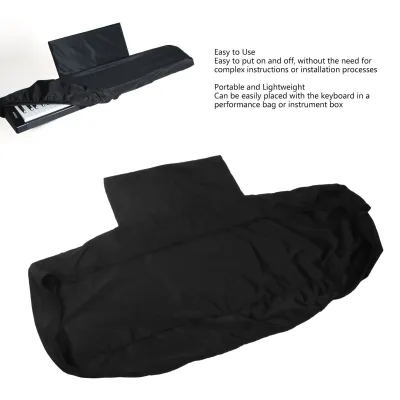
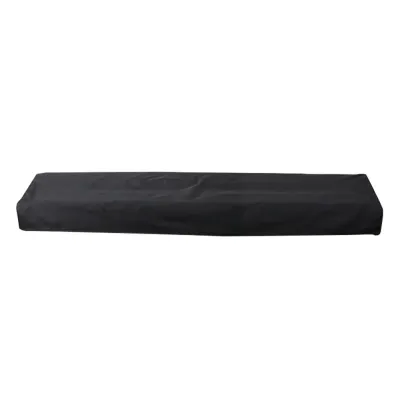
![[SG SELLER] 61 / 88 Keys Dust Cover SUITABLE for Portable Keyboard + Digital Piano](https://img.lazcdn.com/g/p/b8becedab44cdc205ad44c3d32b299b5.jpg_400x400q80.jpg_.webp)

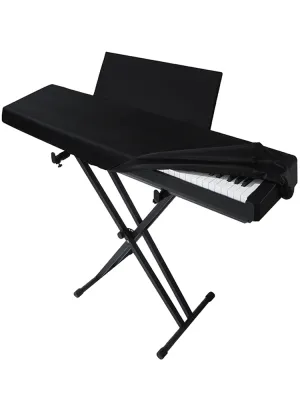
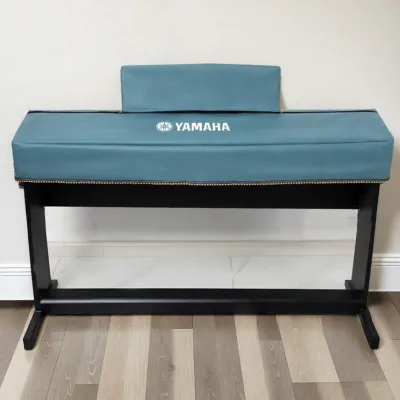
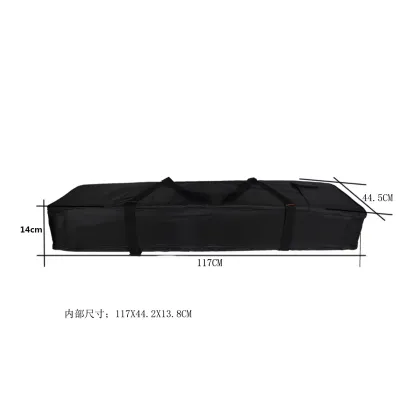
Prices are valid at publication and may change. Please refer to the product page for the latest price.
Over time, fine dust particles settle into the narrow gaps between the keys. This accumulation can gradually work its way down to the contact pads and sensors, leading to unresponsive keys, inconsistent velocity sensitivity, or static noise in the internal speakers. A dedicated digital piano cover acts as a primary barrier, preventing these airborne particles from settling into the keybed.
In Singapore’s tropical climate, environmental factors present unique challenges for electronic musical instruments. High relative humidity levels can accelerate the degradation of internal metal components and adhesive materials.
While a standard fabric cover cannot completely seal out ambient moisture, it plays a vital role in preventing direct condensation from forming on the keyboard’s surface during rapid temperature shifts, such as when turning on an air conditioner in a warm room. When shopping for a cover, it is highly beneficial to check manufacturer labels for moisture-resistant properties to add an extra layer of defense against humid air.
Beyond dust and humidity, household hazards like accidental liquid spills and pet hair pose immediate risks to your keyboard. A stray glass of water or a curious pet can cause irreversible damage to the delicate circuitry of an unprotected instrument.
Pet hair, in particular, carries static electricity and easily wedges itself into key joints, where it can bind with grease and dust to create a sticky residue that hinders key movement. Utilizing a snug-fitting cover ensures that these external elements are kept at bay, preserving both the physical appearance and the internal functionality of your digital piano.
Key Factors When Choosing a Digital Piano Cover
When evaluating different digital piano covers, the choice of material is paramount. Common options include nylon, velvet, and spandex blends, each offering distinct advantages depending on your storage environment.

Nylon is highly valued for its durability and excellent resistance to liquid spills, making it an ideal choice for households with young children or pets. However, nylon can sometimes feel stiff and may not drape as elegantly over the instrument.
Velvet covers offer a classic, premium appearance and provide excellent scratch protection, but they tend to attract dust and pet hair more easily than synthetic alternatives. Spandex or lycra blends are highly popular due to their elasticity, allowing a single cover to stretch snugly over various keyboard shapes while maintaining a clean, modern look.
The fit style of the cover is another critical decision point. Full-enclosure covers, which often feature zippers or drawstring closures, wrap entirely around the keyboard to provide comprehensive protection from all angles. These are particularly useful if you store your keyboard on a stand in an open living space.
Top-only drapes, on the other hand, simply lay over the keys and upper console, offering quick access for daily practice but leaving the sides and bottom exposed. You must also match the cover to your keyboard’s specific key count, as covers are generally categorized for 61-key, 76-key, or 88-key instruments. A cover designed for a 61-key keyboard will not stretch to fit an 88-key model, while an oversized cover will drape loosely, leaving gaps where dust can enter.
To ensure you are getting the protection you expect, always verify additional features through detailed product specifications rather than relying on promotional marketing images. Features such as water-resistant polyurethane coatings, integrated storage pouches, or weighted hems that keep the cover in place are best confirmed by reading the manufacturer’s technical details.
Some covers also feature specialized cutouts or adjustable openings to accommodate music rests and power cables. This allows you to protect the keyboard without disconnecting your setup after every practice session.
Matching Cover Types to Popular Beginner Keyboard Brands
One of the most common mistakes when purchasing a digital piano cover is relying solely on brand names or generic size labels. While a product might be advertised as an “88-key keyboard cover,” the physical dimensions of 88-key digital pianos vary significantly across different brands and models.
For instance, a portable stage piano like the Yamaha P-series or the Roland FP-series has a relatively deep profile to accommodate weighted key actions. In contrast, a slimline model like the Casio CDP or Privia series features a much more compact chassis. Consequently, a cover that fits a slim Casio model snugly might be far too tight or completely unusable on a deeper Roland or Yamaha keyboard.
To guarantee a proper fit, you must measure the exact length, width, and height of your specific keyboard model before shopping. Do not assume that all entry-level models share the same footprint.
Custom-fit manufacturer covers are designed specifically for individual models, ensuring a perfect contour and dedicated openings for music stands and cables. However, these custom options are often more expensive and may not be easily transferable if you upgrade your instrument in the future.
Universal stretchy covers offer a highly flexible and cost-effective alternative, but they require careful comparison with your keyboard’s dimensions. This ensures the fabric does not overstretch, which can thin out the material and reduce its dust-blocking effectiveness.
Before making a purchase, utilize a simple pre-purchase checklist to compare your physical measurements with the seller’s sizing charts. Measure the keyboard with the music rest detached, as well as with the music rest installed if you plan to leave it in place.
Note the height of the keyboard at its tallest point, usually near the rear console. When reviewing universal stretchy covers, look for the “unstretched” and “maximum stretched” dimensions provided by the manufacturer. Ensuring your keyboard’s measurements fall comfortably within these limits will prevent the cover from slipping off or putting undue tension on the instrument’s corners.
Where to Buy and What to Check Before Checkout
When you are ready to purchase a digital piano cover, you will find a wide variety of options available through local music stores in Singapore as well as online marketplaces. While online shopping offers convenience and a broader selection of universal covers, it requires a higher level of diligence to avoid purchasing an incompatible product.
Always cross-reference the seller’s detailed dimension table with your own physical measurements rather than relying on generic compatibility lists in the product title. If a listing lacks precise measurements in centimeters or inches, it is best to look for an alternative seller who provides clear technical specifications.
Pricing for digital piano covers in Singapore typically ranges from S$15 for basic universal stretchy options to S$50 or more for premium velvet or custom-fit manufacturer covers. While it can be tempting to opt for the lowest-priced item, prioritizing accurate dimensions, material density, and a reliable return policy will save you from the hassle of dealing with an ill-fitting cover.
Check the retailer’s return terms to ensure you can exchange or return the cover if it does not fit your specific keyboard model as expected. This is especially important when buying from online platforms where physical inspection is not possible before purchase.
Additionally, avoid making assumptions about the material quality or waterproofing capabilities based solely on product photos. High-gloss photos can make thin, low-density fabrics appear robust and premium.
Always read the detailed product descriptions, material composition labels, and care instructions. Look for specifications that explicitly state the fabric weight (often measured in GSM, or grams per square meter) or mention specific protective coatings. Investing a few extra minutes to verify these details ensures that your purchase provides genuine, long-lasting protection for your beginner keyboard.
How to Clean and Maintain Your Piano Cover
To ensure your digital piano cover continues to provide effective protection, it requires regular cleaning and maintenance. Over time, the cover itself will accumulate dust, pet hair, and environmental grime.
Always refer to the manufacturer’s care label before washing the cover. Many synthetic materials, such as spandex blends and nylon, can be hand-washed or machine-washed on a gentle cycle with cold water. Avoid using harsh detergents or fabric softeners, which can degrade water-resistant coatings or damage the elasticity of the fabric.
Velvet covers often require specialized care, such as dry cleaning or gentle hand-washing, to prevent the pile from crushing or shedding. Taking the time to care for the fabric properly preserves its texture and protective qualities.
One of the most critical steps in maintaining your cover is ensuring it is completely dry before placing it back over your digital piano. Placing a damp or even slightly humid cover over an electronic keyboard can trap moisture against the keys and internal circuitry, creating a microclimate that promotes corrosion and mold growth.
After washing, hang the cover to air dry in a well-ventilated area away from direct sunlight, which can fade colors and weaken synthetic fibers over time. Never use a high-heat dryer cycle unless the care label explicitly permits it, as excessive heat can shrink the fabric and render the cover too small for your keyboard.
Finally, perform periodic inspections of your cover’s elastic edges, drawstrings, and fabric integrity. Over months of daily use, elastic bands can lose their tension, and seams may begin to fray.
If you notice that a stretchy cover no longer holds a snug grip around the corners of your keyboard, or if the fabric has worn thin in high-friction areas, it is time to replace it. Keeping your cover in optimal condition ensures that it continues to serve as an effective shield, keeping your beginner digital piano clean, responsive, and ready for your musical journey.
Frequently Asked Questions (FAQ)
Can I use a generic stretchy cover for an 88-key weighted keyboard?
Yes, generic stretchy covers made of spandex or lycra blends are highly popular for 88-key weighted keyboards due to their flexibility. However, you must carefully check the maximum stretch dimensions provided by the manufacturer. Because weighted 88-key keyboards are significantly longer and deeper than non-weighted models, an undersized stretchy cover may pull too tight, thinning out the fabric and reducing its ability to block fine dust. Additionally, a tight stretch can pull the cover away from the rear panel, leaving input ports and power connections exposed, and it may not accommodate a music rest left attached to the keyboard.
Does a dust cover protect against high humidity?
A standard fabric dust cover does not seal out ambient humidity or act as a dehumidifier. In humid climates like Singapore, fabric covers primarily protect against dust, physical debris, and minor liquid spills. To manage high humidity, you should rely on proper room ventilation, air conditioning, or a dedicated room dehumidifier. If you are highly concerned about moisture, look for covers specifically labeled as having water-resistant or moisture-barrier coatings, and always ensure the room housing your digital piano is kept at a stable, moderate humidity level.
Should I remove the cover before turning on the digital piano?
Yes, you should always remove or fully fold back the cover before turning on and playing your digital piano. Leaving a cover partially draped over the instrument during use can obstruct keys, buttons, and sliders, interfering with your playing experience. Furthermore, some digital pianos feature ventilation ports or internal speakers on the top or rear panels that generate mild heat during operation. Keeping these areas covered while the instrument is powered on can restrict airflow, potentially leading to heat buildup within the internal electronics.

Community discussion
Share your experience or ask a question. Comments are reviewed before publication.