
The ideal low G string for a beginner ukulele is one that fits the existing nut slot without requiring filing or professional setup. Many beginners want to explore the deeper, richer tones of a low G tuning but worry about damaging their entry-level instruments. By choosing a drop-in replacement string, you can enjoy this musical transition without the need for specialized luthier tools or permanent modifications to your ukulele’s nut.
This guide focuses on helping you navigate the selection process, understand the physical differences between string types, and safely install your new strings. We will examine how different materials and designs affect both the sound of your instrument and the ease of installation. By focusing on compatible, hassle-free options, you can successfully upgrade your setup and expand your musical range with confidence.
Understanding the Low G Upgrade for Beginner Ukuleles
Standard ukuleles typically use re-entrant tuning, commonly referred to as high G tuning (G4-C4-E4-A4). In this traditional configuration, the fourth string (the G string) is tuned to a higher pitch than the third string (the C string). This unique tuning gives the ukulele its classic, bright, and breezy sound, which is highly characteristic of traditional Hawaiian music. The re-entrant layout means the pitch does not rise continuously from the lowest string to the highest, creating a close-voiced, chime-like quality when strumming chords.
Products mentioned in this guide

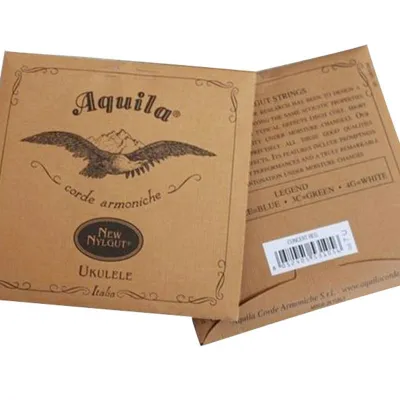
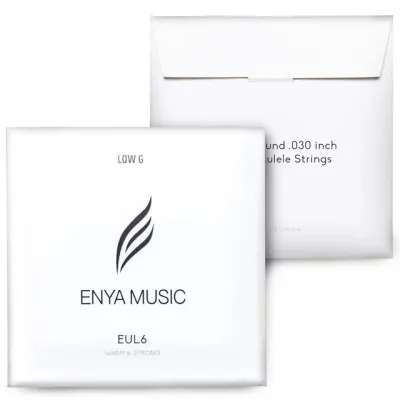
![[TrueSprout] Enya Ukulele Low G String Fluorocarbon Brass Knot Soprano Concert Tenor](https://img.lazcdn.com/g/p/64514e0f2e5735ec20a30fd54316c110.jpg_400x400q80.jpg_.webp)

Prices are valid at publication and may change. Please refer to the product page for the latest price.
In contrast, linear tuning, or low G tuning (G3-C4-E4-A4), replaces that high fourth string with one tuned an octave lower. This simple change alters the instrument’s pitch order so that the strings progress sequentially from the lowest note to the highest note. Linear tuning expands the lower range of your ukulele by a perfect fourth, giving you access to deeper bass notes and a more balanced, guitar-like tonal profile. The overall sound becomes warmer and more resonant, which completely changes the character of the instrument.
This expanded range offers significant musical benefits, particularly for solo players and those interested in fingerpicking. With a low G string, you can play a wider variety of melodies, classical arrangements, and contemporary songs that require lower bass accompaniment. It also makes chord voicings sound fuller and more resonant, which can be highly satisfying when playing alone. If you enjoy playing instrumental arrangements or accompanying your own singing, the low G provides a solid harmonic foundation that supports your voice beautifully.
Entry-level ukuleles are excellent candidates for this upgrade because they allow beginners to experiment with new sounds without investing in a high-end instrument. However, these budget-friendly models often feature plastic or basic synthetic nuts with narrow slots designed specifically for thin, high G strings. Understanding these physical limitations is crucial before purchasing a new set of strings, as forcing a thick string into a narrow slot can cause tuning instability or even crack the nut. Additionally, because beginner ukuleles often have smaller bodies, the lower frequency of a low G string will interact differently with the soundboard, requiring a string that can project clearly without sounding muddy.
Wound vs. Unwound: Avoiding Nut Modifications on Entry-Level Instruments
When shopping for a low G string, you will encounter two primary constructions: wound and unwound. Wound low G strings consist of a thin synthetic or steel core wrapped with a fine metal wire, typically made of silver-plated copper, aluminum, or bronze. This metal wrapping adds physical mass to the string without excessively increasing its overall thickness, allowing it to vibrate at a lower pitch while maintaining playable tension. This design is very similar to the lower strings found on a classical guitar.

While wound strings offer a bright, clear tone with excellent projection, they present distinct challenges for beginner ukuleles. The metal winding can be abrasive, gradually wearing down plastic nut slots and even the soft brass or nickel frets commonly found on entry-level models. Furthermore, because wound strings are still relatively thick, they often require you to widen the nut slot with a specialized file to prevent the string from binding. If you do not perform this modification, the string may sit too high in the slot, causing high action and poor intonation, making the instrument difficult to play.
Unwound low G strings, on the other hand, are made from a single, solid strand of synthetic material such as fluorocarbon, nylgut, or nylon. To achieve the lower pitch without a metal wrap, these strings must be physically thicker than standard high G strings. However, manufacturers have developed specialized high-density materials that minimize this thickness, allowing many unwound low G strings to serve as direct, drop-in replacements. These strings are completely smooth to the touch and maintain a uniform appearance with the rest of the set.
Choosing an unwound low G string is generally the safest path for beginners who want to avoid modifying their instruments. Unwound strings slide smoothly through standard nut slots, reducing the risk of binding and eliminating the need for filing. They also eliminate the metallic squeak or finger noise that often occurs when sliding your fingers along a wound string, resulting in a smoother, more consistent playing experience. This is particularly helpful for beginners who are still refining their fretting hand movements and want to minimize unwanted background noise.
While wound strings provide a brighter, more percussive attack, unwound strings offer a warmer, more cohesive acoustic blend that matches the tone of the other three synthetic strings. Unwound options also tend to last longer because they are not susceptible to the corrosion, oxidation, or unraveling that can affect metal-wound strings over time. For a beginner setup, the convenience, safety, and longevity of an unwound string usually outweigh the slight volume advantage of a wound alternative.
Comparing Materials and Tension for Your Playing Style
To select the right unwound low G string, you must understand the physical properties of the materials available. The most common synthetic materials used for ukulele strings are nylgut, fluorocarbon, and traditional nylon. Each material has a distinct density, which directly influences the string’s physical thickness, tension, and overall acoustic output. Choosing the right material can help you achieve the sound you want while keeping the instrument easy to play.
Nylgut is a proprietary synthetic material designed to mimic the warm, rich acoustic properties of traditional gut strings while offering superior tuning stability. Nylgut strings are highly popular for entry-level ukuleles because they produce a round, sweet tone that tames the harshness of laminate wood. They have a relatively soft feel under the fingers, making them comfortable for beginners who are still developing calluses. However, because nylgut is less dense than other synthetics, a low G string made of this material will be noticeably thicker, so you must verify its diameter before purchase to ensure it fits your nut slots.
Fluorocarbon is a high-density polymer that has become highly favored for low G setups. Because of its high density, a fluorocarbon low G string can be made thinner than a nylgut or nylon equivalent while maintaining the same pitch and tension. This thinner profile makes fluorocarbon an excellent drop-in choice that is highly likely to fit standard nut slots without modification. Acoustically, fluorocarbon produces a bright, clear, and punchy sound with excellent projection and sustain, making it ideal for fingerstyle players who want their melodies to stand out clearly.
Standard nylon is the traditional material for classical stringed instruments, offering a very mellow, warm, and gentle sound. Nylon strings generally have lower tension, which makes them very easy to press down against the frets. However, nylon low G strings must be quite thick to achieve the correct pitch, which increases the likelihood of nut slot binding on beginner ukuleles. They also tend to stretch significantly when first installed, requiring a longer break-in period before they hold their tune reliably, which can be frustrating for new players who want to spend more time practicing and less time tuning.
When browsing string packages, look closely at the manufacturer’s specifications for material type and tension. High-tension strings offer a tighter feel and more volume but require more finger strength to press down and can put extra stress on the neck of a beginner ukulele, which typically lacks an adjustable truss rod. Low-tension or normal-tension strings are easier on beginner fingers but can feel slightly loose or floppy, especially on shorter scale lengths like soprano or concert. Reading these labels carefully ensures you select a set that matches both your physical comfort and your instrument’s structural limits.
Building Your Shortlist: Pre-Purchase Checks for Online Retailers
When searching for low G strings on an online marketplace or ecommerce platform, you must look beyond generic product titles. Many listings use broad keywords that can be misleading for beginners. To build a reliable shortlist, start by verifying that the product description or packaging explicitly states “Unwound Low G” or “Smooth Low G” if you want to avoid metal-wound options. Look for clear images of the actual strings to confirm they are uniform in color and texture.
Next, confirm that the string set matches the specific size of your ukulele. Ukuleles come in several standard scale lengths, including soprano, concert, tenor, and baritone. A low G string designed for a tenor ukulele will be too long and may carry too much tension if forced onto a smaller soprano or concert model. Conversely, a soprano string will be too short for a tenor instrument. Always check the product specifications to ensure the set is rated for your exact instrument size, as this directly affects the tension and playability of the low G string.
It is also highly beneficial to evaluate manufacturer claims against real-world user feedback. Look at customer questions and reviews on the online marketplace to see if other players with entry-level ukuleles have successfully installed the string without filing the nut. Pay close attention to mentions of specific beginner ukulele brands, as this can give you a highly accurate indication of whether the string will fit your instrument’s factory setup. If multiple reviews mention that the string required filing or buzzed constantly, it may not be the best choice for a modification-free setup.
Finally, be careful to avoid purchasing full sets that include a wound fourth string by mistake. Many standard low G sets package three unwound strings with a wound low G string to maximize volume. If you want a completely unwound setup, look for sets specifically labeled as “all-unwound” or purchase a single unwound low G string separately to pair with your existing high G set. Taking these precautions will save you the frustration of receiving an incompatible product and ensure a smooth installation process.
Safe Installation and Setup Boundaries for New Players
Before you begin installing your new low G string, perform a simple visual inspection of your ukulele’s nut. The nut is the small slotted bar located where the fretboard meets the headstock. Look closely at the fourth slot (the one furthest to the left when holding the instrument in playing position). Note its width and depth, and ensure there are no visible cracks, sharp edges, or loose debris inside the slot. A clean, smooth slot is essential for preventing string breakage and ensuring stable tuning.
When installing synthetic strings, use proper winding techniques to ensure tuning stability and prevent damage to the tuning pegs. Thread the string through the bridge according to your ukulele’s specific bridge style, whether it is a tie-bar bridge, a knot-bridge, or one that uses bridge pins. At the headstock, leave a small amount of slack before winding the string around the post. Aim for three to four neat, downward-spiraling wraps around the tuning post to prevent slippage and maintain a good break-angle over the nut, which helps prevent buzzing.
Once installed, synthetic and fluorocarbon strings require a dedicated stretching and settling period. Because these materials are highly elastic, they will stretch significantly over the first few days of play. To speed up this process, gently pull the string away from the fretboard along its length, then retune. Repeat this process several times, and expect to retune your instrument frequently during the first forty-eight hours of use. Do not pull too hard, as sudden, violent stretching can damage the string or lift the bridge on a budget instrument.
It is vital to recognize when a string installation is not working and to establish strict safety boundaries. If you attempt to tune the new low G string and find that it binds tightly in the nut slot, do not force it. Forcing a thick string into a narrow slot can pinch the material, causing it to snap, or put excessive pressure on the nut, which can cause the plastic to crack. If you experience severe fret buzz, if the string sits visibly high above the first fret, or if you feel resistance when tuning, stop immediately and consult a qualified technician or local music shop.
Frequently Asked Questions (FAQ)
Do I need to change all four strings when switching to low G?
You do not strictly need to replace all four strings; you can simply swap out your existing high G string for a single low G string. However, installing a complete, matching set is highly recommended for beginners. Strings from different manufacturers or material batches can vary in tension, elasticity, and tonal brightness. Replacing the entire set ensures that all four strings feel consistent under your fingers and produce a balanced, cohesive sound across the entire fretboard. If you choose to mix and match, try to use the same material—such as pairing a fluorocarbon low G with an existing fluorocarbon set—to maintain a consistent feel and prevent uneven neck tension.
Will a low G string make my entry-level ukulele sound better?
A low G string will significantly alter the tonal character of your entry-level ukulele, but it cannot overcome the physical limitations of budget construction. Entry-level instruments made from laminate woods or plastics naturally have less resonance, sustain, and acoustic depth than solid-wood models. Upgrading to a low G string will give your ukulele a warmer, fuller, and more guitar-like voice with a broader bass range, which many players find highly pleasing. While it won’t turn a budget instrument into a professional-grade showcase, it is one of the most cost-effective ways to enhance playability, expand your musical repertoire, and explore new playing styles.
Can I tune a standard high G string down to low G?
You cannot tune a standard high G string down an octave to achieve a low G pitch. Standard high G strings are designed with a thin diameter and low physical mass, optimized specifically to vibrate at the higher G4 frequency under normal tension. If you attempt to tune this thin string down to G3, it will lose almost all of its tension. The string will become extremely floppy, making it virtually unplayable. It will buzz severely against the frets, fail to hold its pitch, and produce a dull, quiet sound with poor intonation. To achieve a proper low G, you must use a dedicated string designed with the correct mass and thickness to handle the lower pitch.

Community discussion
Share your experience or ask a question. Comments are reviewed before publication.