
Choosing between a digital grammar app and a traditional grammar book is not a matter of finding a universally superior tool, but rather identifying which format aligns with your cognitive habits, daily routine, and immediate language goals. While digital tools excel at providing rapid, gamified reinforcement during short windows of free time, printed books offer the structured depth and distraction-free environment necessary for mastering complex syntactic frameworks. Understanding how each format processes information will help you select the right resource or combine them into a highly effective study routine.
Your choice ultimately shapes how your brain encodes language rules. An app encourages rapid recognition and intuitive application, whereas a book fosters deep analytical comprehension and long-term structural retention. By evaluating your personal learning style against the unique mechanics of each medium, you can avoid study fatigue and make faster, more sustainable progress.
How Grammar Apps and Books Teach Differently
Grammar apps and printed books approach language instruction from fundamentally different pedagogical angles. Digital applications rely heavily on interactive drills, immediate correction, and bite-sized exercises. When you complete a sentence-completion task or a multiple-choice quiz on an app, the platform instantly validates your answer, often providing a brief explanation of the rule involved. This rapid feedback loop helps build quick conversational reflexes and keeps engagement high through gamified rewards, progress bars, and daily streaks.
Products mentioned in this guide
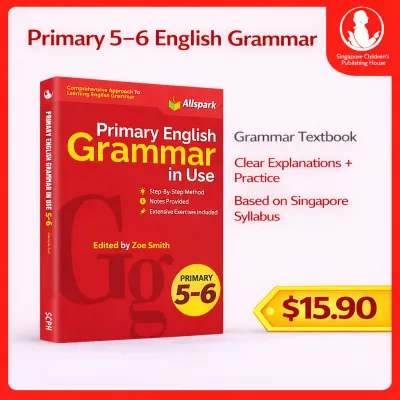
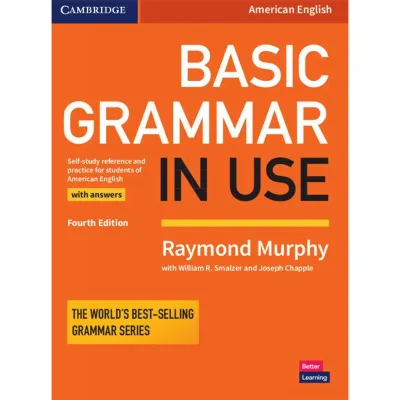
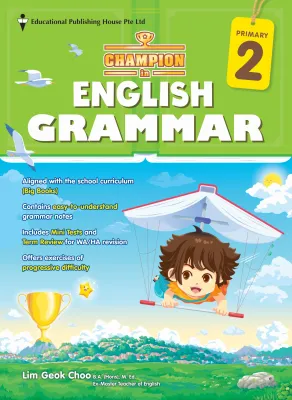
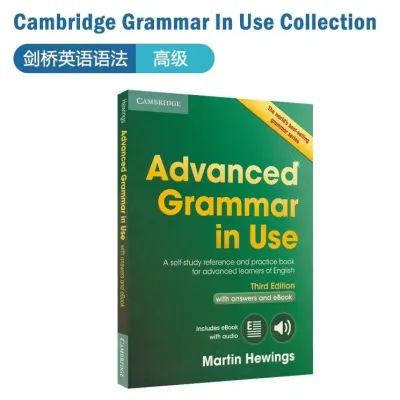
Prices are valid at publication and may change. Please refer to the product page for the latest price.
In contrast, traditional grammar books prioritize comprehensive, systematic explanations and rich contextual examples. A well-structured textbook does not just tell you if an answer is correct; it guides you through the historical or logical rationale behind a tense, mood, or prepositional choice. Books present language in extended paragraphs and authentic reading passages, allowing you to observe how complex grammatical structures function in cohesive, professional, or academic writing rather than in isolated, single-sentence exercises.
Another critical difference lies in how these formats manage progression. Most modern grammar apps utilize algorithm-driven spaced repetition systems. The software tracks your performance and automatically schedules reviews for rules you struggle with, ensuring you revisit difficult concepts just as you are about to forget them. Books, on the other hand, require self-directed, linear progression. You must actively navigate the table of contents, decide when to review past chapters, and manually track your weak points, which demands a higher level of study discipline but grants you complete control over your learning path.
Finally, the physical and sensory experience of learning differs vastly between the two mediums. Apps frequently incorporate audio features, allowing you to hear correct pronunciation and spoken sentence patterns alongside written text. Books lack audio integration but offer the invaluable benefit of physical annotation. Writing notes in the margins, highlighting key clauses, and physically flipping back and forth between reference charts and exercise pages can significantly enhance tactile memory and cognitive synthesis.
Matching the Format to Your Learning Goals
Aligning your study material with your specific language objectives is essential for maintaining momentum. Grammar apps are highly effective for learners who need to build conversational confidence, expand their functional vocabulary, and maintain a consistent daily study habit. If your primary goal is to speak more fluidly during casual interactions or to keep your language skills active during a daily commute on the MRT, the portable, low-friction nature of an app is highly advantageous. Ten minutes of active drilling on a mobile device can easily fit into a busy schedule without requiring a dedicated study desk.

Conversely, physical grammar books are the standard for academic writing preparation, professional communication, and advanced syntax comprehension. If you are preparing for formal examinations, writing research papers, or drafting business correspondence, you need to understand the nuances of formal sentence structure. Books excel here because they do not simplify complex rules for the sake of a mobile screen. They provide the space required to analyze compound-complex sentences, passive voice variations, and subtle stylistic choices that apps often omit to keep user interfaces clean and simple.
Your study environment and cognitive endurance also play a major role in this decision. Mobile devices are hubs for notifications, messages, and social media alerts, which can constantly interrupt the deep focus required to grasp difficult grammatical concepts. If you are highly susceptible to digital distractions, a physical book offers a sanctuary of uninterrupted study. Furthermore, screen fatigue is a growing concern for professionals and students who spend their entire day working on computers. Reaching for a physical book in the evening provides a welcome screen-free break that can reduce eye strain and improve sleep quality after a late-night study session.
Comparing Cost, Accessibility, and Usability
Evaluating the practical and financial commitments of each format is crucial for long-term planning. Grammar apps typically operate on recurring subscription models. While some offer basic free tiers supported by advertisements, unlocking comprehensive grammar modules, ad-free study, and advanced offline features usually requires a monthly or annual fee. These subscriptions can range from S$10 to S$30 per month, which may accumulate to a significant sum over a multi-year learning journey. It is important to check whether the subscription automatically renews and if the platform offers regional pricing or student discounts before committing your payment details.
Physical books represent a one-time investment, typically ranging from S$25 to S$70 depending on the publisher, depth, and inclusion of answer keys. Once purchased, a book never expires, requires no internet connection, and can be resold or passed on to another learner. However, books carry physical weight. Carrying a comprehensive 500-page grammar reference guide in your bag is far less convenient than having an entire library of language resources stored on a lightweight smartphone. If you travel frequently or study in various locations, the portability of digital tools is difficult to match.
Before making a purchase, you must also verify device compatibility, regional availability, and edition differences. For apps, ensure your smartphone or tablet operating system supports the latest version of the software, and check if the app requires a constant internet connection to function. For books, pay close attention to the specific edition and language variant. A grammar book focusing on British English may use different spelling conventions, punctuation rules, and vocabulary than one tailored to American English. Additionally, ensure the book you select includes a complete answer key, as some educational publishers sell student editions and teacher answer keys separately.
Decision Framework: Which Should You Choose?
To finalize your decision, assess your current lifestyle, learning preferences, and immediate milestones against the following criteria.
Choose a grammar app if:
- You have limited, fragmented blocks of time throughout the day and prefer studying in short, 10-to-15-minute sessions.
- You learn best through interactive, gamified challenges and require instant feedback to stay motivated.
- You want to improve your listening comprehension and pronunciation alongside your grammatical skills.
- You prefer a lightweight, paperless lifestyle and want your study materials accessible on a single mobile device.
Choose a grammar book if:
- You are preparing for a structured academic exam, professional certification, or need to master advanced written syntax.
- You prefer a linear, highly organized curriculum that explains the "why" behind complex linguistic rules.
- You struggle with digital distractions and want to establish a dedicated, screen-free study routine.
- You benefit from tactile learning methods, such as handwriting exercises, highlighting text, and physical page-referencing.
Combine both formats if:
- You want to build a comprehensive, highly resilient language foundation. In this hybrid approach, you use a physical grammar book as your primary anchor to study new, complex rules during dedicated weekend sessions. Throughout the week, you use a grammar app to run quick daily drills, reinforce vocabulary, and test your retention of those rules while on the go. This combination leverages the theoretical depth of print media alongside the convenient, repetitive reinforcement of digital technology.
Frequently Asked Questions (FAQ)
Can I use a grammar app and a book together?
Yes, integrating both formats is one of the most effective ways to master a language. You can use a comprehensive grammar book as your primary reference tool to learn the underlying mechanics of a new tense or sentence structure. Once you understand the theory, you can use a grammar app for daily, active recall drills to build speed and automaticity. This hybrid method ensures you do not get bogged down by the dry, academic tone of a textbook, while also preventing the superficial learning patterns that can sometimes occur when relying solely on gamified apps.
Do grammar apps replace traditional textbooks for exams?
Grammar apps rarely serve as complete replacements for traditional textbooks when preparing for formal, standardized language examinations. Most apps are designed for general proficiency, conversational fluency, and casual engagement, meaning they often gloss over the precise formatting, formal essay structures, and advanced stylistic rules required by exam boards. To ensure success, always check your specific exam syllabus. You will typically find that a dedicated, exam-aligned textbook is necessary to cover the exact written syntax and structured comprehension tasks tested in academic environments.

Community discussion
Share your experience or ask a question. Comments are reviewed before publication.