
Choosing the right drum sticks is one of the most direct ways to influence your playing comfort, speed, and overall sound. The three most common wood materials—hickory, maple, and oak—each possess distinct physical properties that alter how energy is transferred from your hands to the drum kit. Hickory serves as the industry standard, offering a balanced blend of weight, durability, and shock absorption. Maple provides a lightweight, highly responsive feel that excels in low-volume or fast-paced settings, while oak delivers maximum density and durability for heavy-hitting styles.
The optimal choice depends entirely on your playing style, striking force, and preferred musical genres rather than a single universal winner. Selecting a wood that matches your physical approach to the instrument not only improves your control but also protects your hands and wrists from repetitive strain. By understanding how density, grain structure, and flexibility differ among these woods, you can make an informed decision that enhances your performance and extends the lifespan of your gear.
Understanding the Core Differences in Drum Stick Woods
To understand why different woods feel so distinct in the hand, it is necessary to look at their physical density and structural characteristics. Wood density directly dictates the weight of the stick relative to its size. A denser wood requires more force to swing but delivers greater momentum upon impact, whereas a lighter wood allows for rapid acceleration with minimal effort.
Products mentioned in this guide
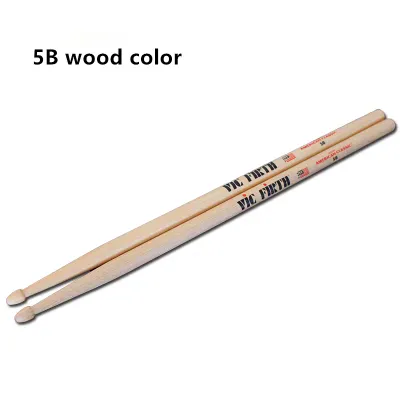
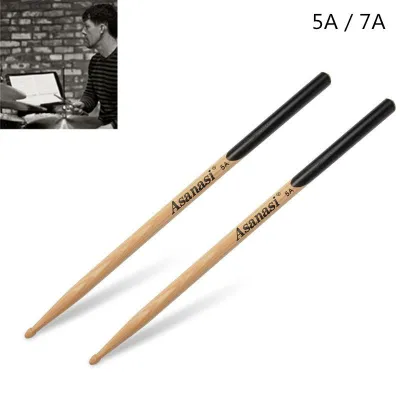
![[ammoon]One Pair of 5B/ 5A/ 7A Wooden Drumsticks Drum Sticks Hickory Wood Drum Set Accessories](https://img.lazcdn.com/g/p/fbbd312af4b3a8d242131818be7fee9a.jpg_400x400q80.jpg_.webp)
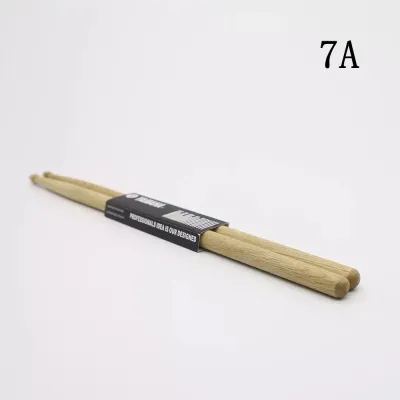
![[SG 🚚] Professional Drum Sticks 5A Hickory Walnut Wood 5A Drumsticks 7A Musical Instruments Drum Sticks One](https://img.lazcdn.com/g/p/a3df44bb9806f0e4860648fe275ccbac.jpg_400x400q80.jpg_.webp)

Prices are valid at publication and may change. Please refer to the product page for the latest price.
Hickory is the most widely used wood in drum stick manufacturing due to its unique fiber structure. It possesses a medium-to-high density that provides a reassuring weight in the hand without feeling overly cumbersome. The defining characteristic of hickory is its natural elasticity, which allows the wood to flex slightly upon impact. This elasticity acts as a shock absorber, dampening the vibrations that travel up the shaft and into your wrists, which helps prevent fatigue during long practice sessions.
Maple is significantly less dense than hickory, making it roughly fifteen percent lighter for the same volume of wood. This low density allows manufacturers to produce thicker sticks, such as a 2B profile, that remain remarkably light and easy to maneuver. The grain of maple is relatively tight and uniform, but because the wood is softer, it is more susceptible to denting and chipping. Drummers choose maple when they want the physical grip of a larger stick without the heavy, fatiguing weight that usually accompanies it.
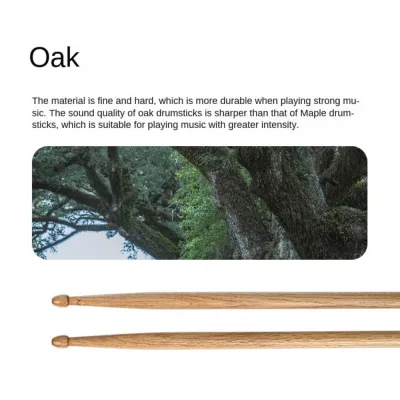
Oak stands at the opposite end of the spectrum as an exceptionally dense and hard hardwood. It is significantly heavier than both hickory and maple, which translates to a very solid, forward-weighted feel. The dense grain structure of oak makes it highly resistant to wear, splintering, and rimshot damage. However, because oak is highly rigid and does not flex easily, it transmits a larger portion of the impact shock directly back into the drummer’s hands, which can lead to discomfort if proper striking technique is not maintained.
Matching Wood Types to Playing Styles and Genres
Aligning the physical traits of these woods with your musical environment ensures that your sticks work with you rather than against you. Different genres demand varying levels of volume, articulation, and physical endurance, making wood selection a critical component of your overall sound.

For high-volume and heavy-hitting scenarios, such as rock, metal, and punk, oak and heavy hickory are the most suitable choices. The high density of oak allows you to produce powerful, cutting rimshots and deep drum tones with less physical effort. The added weight of these sticks provides natural projection, helping your drums cut through a dense mix of amplified guitars and vocals. If you find that oak transmits too much vibration to your hands during heavy playing, hickory offers a reliable alternative, providing excellent durability while absorbing the harsh shocks of consistent rimshots.
In low-volume, high-sensitivity scenarios like jazz, acoustic performances, and orchestral percussion, maple is highly advantageous. The lightweight nature of maple allows for delicate ghost notes, rapid cymbal patterns, and precise control over micro-dynamics. Because maple sticks do not carry the heavy momentum of oak, you can play with high speed and articulation without accidentally overpowering the rest of the band. The softer impact of maple also produces a warmer, more subtle tone on cymbals, which is highly prized in acoustic settings.
For versatile or general-purpose playing conditions where you must transition seamlessly between different styles, hickory remains the most balanced option. Whether you are practicing rudiments on a pad, playing funk syncopations, or backing a pop vocalist, hickory adapts to shifting dynamics. It provides enough weight for solid, authoritative backbeats while remaining responsive enough for intricate, fast-paced fills. This versatility is why hickory is the default recommendation for students and session players who must handle diverse musical demands.
Key Specifications to Check Beyond the Wood Type
While the wood material establishes the baseline characteristics of a drum stick, other physical dimensions and design elements significantly alter its balance, feel, and acoustic response. When browsing options, you must look at the complete specification profile to find the right match.
The diameter and length of a stick modify its perceived weight and balance point. For example, a thick maple stick may weigh the same as a thin hickory stick, but the larger surface area of the maple stick changes how it rests in your hand and how it rebounds off the drum head. A longer stick provides more leverage and reach, making it feel slightly heavier at the tip, whereas a shorter stick offers more control and a quicker response.
The shape and material of the stick’s tip play a crucial role in defining your sound, particularly on cymbals. Wood tips produce a warm, natural, and complex tone, but they can chip over time, which dulls the sound. Nylon tips deliver a bright, consistent, and cutting articulation that remains unchanged throughout the life of the stick. Additionally, the shape of the tip—whether it is round, oval, acorn, or teardrop—determines the contact area with the drum head, directly affecting the brightness and volume of each strike.
Before purchasing, always check the manufacturer’s official specifications for exact model dimensions, taper length, and weight classifications. The taper—the section of the stick that narrows toward the tip—affects the stick’s rebound. A long taper creates a light, fast rebound with a back-weighted feel, while a short taper makes the stick front-heavy, providing more power and forward momentum.
How to Test and Evaluate Drum Sticks Before Committing
Finding the perfect pair of sticks requires active physical evaluation. Even within the same wood species and model number, natural variations in wood density can cause slight differences in weight and balance between individual sticks.
When testing sticks in a retail or practice environment, start by rolling them on a completely flat surface, such as a counter or glass tabletop. If a stick wobbles or shows a visible gap beneath the shaft as it rolls, the wood has warped, which will negatively affect its trajectory and rebound. Next, tap the sticks gently against a practice pad or a hard surface to listen to their pitch. High-quality manufacturers pitch-match their sticks in pairs; a matched pair will produce a nearly identical tone, ensuring consistent balance between your left and right hands.
Perform a close visual inspection of the wood grain. Look for straight grain lines that run parallel to the shaft from the butt end all the way to the tip. Avoid sticks where the grain lines run diagonally off the side of the shaft, a condition known as grain run-out, as these are highly prone to splitting along those diagonal lines under heavy impact. The wood should feel smooth, without any visible knots, hairline cracks, or rough patches.
Finally, monitor how your sticks wear over time to evaluate if you have chosen the correct material. If your maple sticks are splintering within a few hours of play, your striking force or genre may require a transition to hickory or oak. Conversely, if you experience wrist fatigue or joint pain after playing with oak, switching to a more shock-absorbing hickory stick or a lighter maple model can help protect your body. Replace your sticks as soon as you notice deep neck indentations, a soft or flattened tip, or a hollow, dead sound when tapping, as these are clear indicators of internal structural failure.
Frequently Asked Questions (FAQ)
Do hickory drum sticks last longer than maple?
Yes, hickory drum sticks generally last longer than maple sticks under similar playing conditions due to hickory’s higher density and hardness. Hickory is more resistant to denting, chipping, and structural fatigue from rimshots. However, the actual lifespan of any drum stick depends heavily on your striking technique, grip tension, and the angle at which you strike the cymbals and rims. A drummer with poor technique can break a hickory stick quickly, while a player with relaxed, efficient technique can get extensive use out of a lighter maple stick. Look for signs of wear such as deep splintering or a loss of rebound to determine when a stick is nearing the end of its usable life.
Are oak drum sticks safe for electronic drum kits?
Oak drum sticks can be used on electronic drum kits, but you must exercise caution and check your specific kit manufacturer’s guidelines and warranty terms first. Because oak is exceptionally dense and rigid, it transmits more physical force to the striking surface and does not absorb shock well. This high impact force can accelerate the wear and tear on sensitive mesh heads, rubber pads, and the underlying trigger sensors. If you choose to use oak on an electronic kit, consider using models with nylon tips to prevent wood splinters from snagging the mesh, or opt for a lighter wood like hickory or maple to protect your electronic components from excessive impact stress.

Community discussion
Share your experience or ask a question. Comments are reviewed before publication.