
Attaching a shoulder strap to a ukulele that lacks built-in strap buttons requires choosing a method that balances security, comfort, and the preservation of your instrument’s finish. Whether you prefer a non-invasive hook, a traditional tie-on loop, or an adhesive solution, understanding the structural limits of your ukulele is the first step to playing hands-free safely.
Playing the ukulele is often associated with casual, portable music-making, but holding the instrument securely while navigating complex chord shapes can be challenging. While many modern ukuleles come equipped with pre-installed metal strap buttons, many traditional, vintage, or entry-level models do not. Forcing yourself to cradle the instrument against your ribs can restrict your fretting hand’s movement and cause muscle fatigue over long practice sessions.
Before purchasing any accessories, you must evaluate your instrument’s physical characteristics. Some methods are ideal for gloss-finished laminate models but could ruin the delicate satin finish of a high-end solid-wood instrument. By understanding the mechanics of each strap type, you can make an informed choice that protects your investment while giving you the physical freedom to perform comfortably.
Products mentioned in this guide
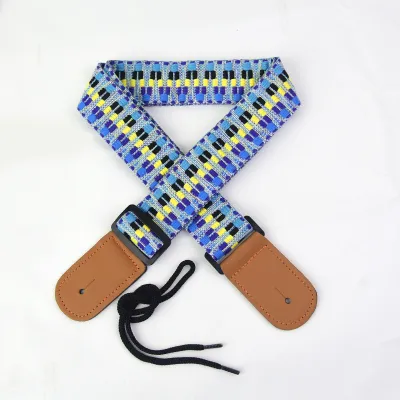
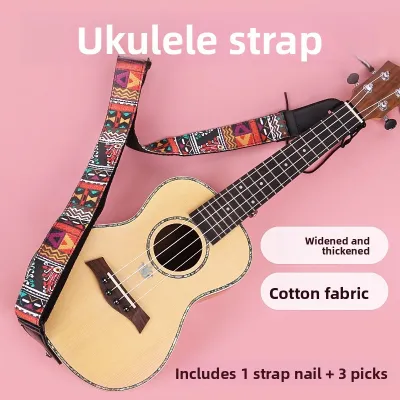
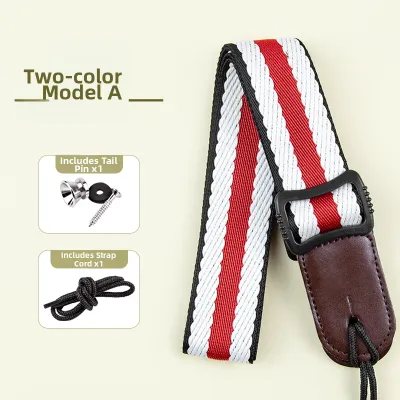
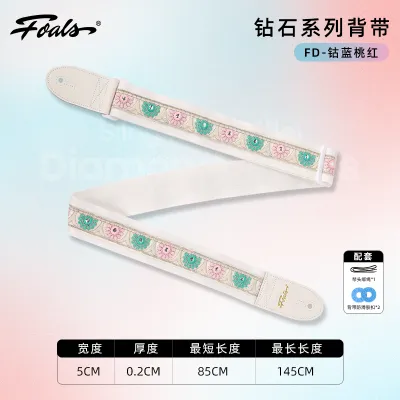
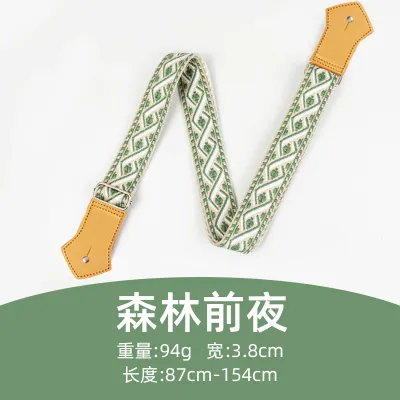
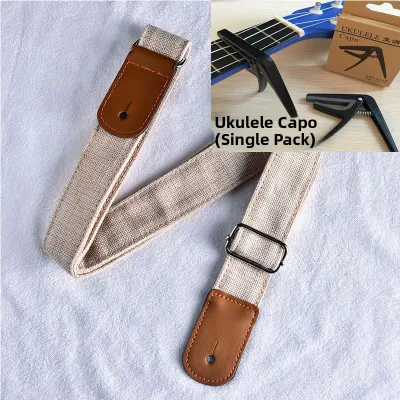
Prices are valid at publication and may change. Please refer to the product page for the latest price.
Assess Your Ukulele and Strap Compatibility
To find the safest and most comfortable strap setup, start by examining the physical construction of your ukulele. Not all instruments are built the same, and a method that works perfectly on a concert-sized laminate model might be unsuitable for a delicate soprano or a heavy baritone.
First, inspect the soundhole. A standard round soundhole is essential if you plan to use a hook-style strap. If your ukulele features unique F-holes, offset soundholes, or decorative side ports, a traditional soundhole hook will not fit or may place uneven stress on the top wood. The thickness of the soundhole edge also matters; some high-end instruments have delicate, thin tops with intricate rosette inlays that could easily chip under direct pressure.
Next, look at the headstock. A solid headstock provides a clear space just above the nut and behind the first set of tuning pegs to tie a cord or strap adapter. A slotted headstock, common on tenor and baritone ukuleles, requires careful routing of the tie-line to ensure it does not rub against the strings or interfere with the tuning gears. You must ensure there is sufficient clearance beneath the strings so the tie-on cord does not push down on them, which would alter the instrument’s intonation and tuning stability.
The body finish is another critical factor. Ukuleles generally feature gloss, matte, satin, or open-pore finishes. Gloss finishes are relatively durable and can handle temporary adhesive pads, though there is always a risk of discoloration or finish lifting upon removal. Matte, satin, and open-pore finishes are much more delicate; adhesives can easily pull away the wood fibers or leave permanent, unsightly shiny spots where the adhesive oils have penetrated the grain.
Finally, verify the specifications of the strap you intend to buy. Check the width of the strap, the materials used for the connectors, and whether it includes necessary accessories like headstock ties, quick-release buckles, or protective padding. Ensuring compatibility beforehand prevents unnecessary returns and protects your instrument from accidental damage during installation.
Method 1: Using a Soundhole Hook Strap
A soundhole hook strap, often referred to as a clip-on or neck strap, is one of the most popular options for players who want an instant, non-invasive solution. This design features a single strap that loops around your neck, extends down the front of your chest, and terminates in a small plastic or metal hook.

To install this strap, place the fabric loop over your head so it rests comfortably on your shoulders. Bring the strap down behind the body of the ukulele, pass it under the bottom edge of the instrument, and bring the hook up to the lower edge of the soundhole. Gently clip the hook over the lip of the soundhole. The tension created by the weight of the ukulele pulling downward keeps the hook securely in place.
This method offers several distinct advantages. It requires absolutely no permanent modifications, can be attached or removed in seconds, and does not restrict your fretting hand near the high frets. Because the strap supports the weight from the center of the instrument, it allows for quick adjustments to your playing angle.
However, there are notable drawbacks to consider. The primary limitation is that a soundhole hook strap does not offer hands-free security. Because the strap only supports the instrument from the bottom edge of the soundhole, if you let go of the ukulele entirely, it will tip forward and fall. You must always keep at least one hand on the instrument or cradle it slightly with your forearm to maintain balance. Additionally, the hook rests directly on the soundboard, which can slightly dampen the natural vibrations of the wood and reduce overall projection.
To protect your instrument, inspect the hook closely before use. Many budget straps feature bare plastic or metal hooks that can quickly scratch the finish or chip the wood around the soundhole. Look for hooks that feature built-in felt, rubber, or soft leather lining. If your strap has a bare hook, you can slide a small piece of heat-shrink tubing over it or apply a thin strip of adhesive felt to the inner surface of the hook to create a protective barrier.
Method 2: Tying a Headstock Loop Strap
For players who want a more secure, hands-free experience without drilling, a headstock loop strap is an excellent alternative. This method uses a strap that attaches to the headstock at one end and connects to the bottom of the instrument using a non-destructive tie-point or a secondary hook.
To secure the top end, locate the space on the headstock between the nut (the slotted bar where the strings rest) and the lowest set of tuning pegs. Thread a strong, thin cord, a leather tie-strap, or a dedicated headstock button loop beneath the strings. Tie a secure, reliable knot that will not slip under tension. A bowline knot or a double overhand knot is highly recommended for this purpose, as they hold fast under load but can be untied when necessary. Ensure the knot is tight and that the cord does not press against the strings, which could cause buzzing or tuning issues.
The bottom end of the strap must then be secured. Some headstock straps are designed to work in tandem with a soundhole hook, while others use a loop that wraps around the narrow waist of the ukulele or connects to a tail-tie. If your strap uses a lower body tie-point, ensure it is wrapped snugly around the body so it cannot slide off during movement.
The main benefit of the headstock loop method is its superior stability. Because the instrument is supported at two distant points—the headstock and the lower body—it distributes the weight evenly across your shoulders and back. This allows you to let go of the instrument completely to turn sheet music, adjust a microphone, or gesture to an audience without fear of the ukulele dropping. It also keeps the strap entirely away from the delicate soundboard, preserving the instrument’s natural resonance and volume.
The primary disadvantage is that the tie-line near the headstock can sometimes interfere with your fretting hand, particularly when playing open chords or transitioning quickly to the first fret. It also requires basic knot-tying skills and regular inspection to ensure the cord has not frayed or loosened over time.
Method 3: Applying Adhesive Strap Buttons
If you prefer the traditional feel of a standard two-point guitar strap but refuse to drill into your instrument, temporary adhesive strap buttons offer a middle ground. These accessories consist of a plastic or wooden button mounted on a flat base backed with heavy-duty double-sided adhesive tape.
Before application, thorough surface preparation is critical. Use a clean, dry, non-abrasive microfiber cloth to wipe down the application zones. These zones are typically the center of the lower bout (the bottom end of the ukulele) and the heel of the neck. The surface must be completely free of dust, finger oils, polish residue, and moisture to ensure a strong bond. Avoid using harsh chemical cleaners or rubbing alcohol, which can permanently dissolve or cloud delicate instrument finishes.
Once the surface is clean, carefully align the adhesive button. It is vital that the button is positioned so that the attached strap will sit completely flat against the body without twisting, as any twisting force can peel the adhesive pad away from the wood. Peel the protective backing, press the button firmly onto the designated spot, and hold steady pressure for at least sixty seconds to activate the adhesive.
While this method provides a clean, traditional look, it carries inherent risks. The primary concern is adhesive failure. Over time, exposure to humidity, body heat, and the constant pulling force of the strap can weaken the bond, potentially causing the button to release suddenly and drop your instrument. Furthermore, removing the adhesive can be difficult; it may pull away fragile finishes, lift wood grain, or leave a sticky residue that is hard to clean without damaging the underlying wood.
To minimize these risks, always check the curing time and weight limits specified by the adhesive manufacturer. Many high-performance adhesives require 24 to 72 hours to reach full bonding strength. Do not attach a strap or hang the instrument by the button until this curing period has completely elapsed.
When to Consult a Professional for Permanent Buttons
While non-destructive methods are excellent for casual home use, there are situations where a permanent, screw-in metal strap button is the best choice. However, attempting to drill and install these buttons yourself carries significant structural risks.
Ukuleles are constructed from incredibly thin tonewoods, often measuring only a few millimeters in thickness. Drilling into the bottom block or the neck heel without proper preparation can easily split the wood, shatter the finish, or damage the internal bracing that holds the instrument together. Additionally, DIY modifications of this nature will almost certainly void any manufacturer warranties.
Permanent installation is highly recommended for heavy solid-wood instruments, tenor or baritone models, or any ukulele used regularly for vigorous live stage performances where maximum security is non-negotiable. A permanent button provides an absolute mechanical connection that cannot slip, peel, or unhook.
To ensure a safe installation, consult a qualified luthier or instrument repair technician. A professional has the specialized tools, such as Forstner bits and countersinks, to drill clean holes without chipping the finish. More importantly, they can inspect the interior of your ukulele using mirrors or lights to locate the internal tail block—the solid block of wood inside the bottom of the instrument—ensuring the screw anchors into solid wood rather than thin, unsupported side panels.
Safe Handling and Playing Habits with a Strap
Regardless of the attachment method you choose, adopting safe handling habits is essential to prevent accidental drops and protect your instrument from physical damage. A strap is an aid, not a guarantee of absolute safety.
Always maintain a habit of keeping at least one hand near the neck or body of the ukulele when adjusting the strap length, moving around, or turning to face a different direction. This is especially critical when using a soundhole hook strap, which can unhook instantly if the tension on the strap is momentarily released.
Before standing up to play, perform a quick pre-flight check. Inspect the seating of the soundhole hook, verify that your headstock knots are tight and secure, or gently tug on your adhesive buttons to ensure the bond remains firm. This simple routine takes only a few seconds but can prevent a catastrophic drop.
Finally, be mindful of your surroundings while wearing the instrument. Avoid sudden, jerky movements, and be careful not to catch the strap on chair arms, music stands, or microphone poles. When playing in crowded spaces, keep the ukulele close to your body rather than letting it swing freely, as even a minor impact against a hard surface can crack the thin wood of your instrument.
Frequently Asked Questions (FAQ)
Can I use a standard guitar strap on my ukulele?
Yes, you can use a standard guitar strap on a ukulele, but you must consider the scale and weight of the instrument. Standard guitar straps are typically two inches wide or wider, which can look bulky and feel overly heavy on a small soprano or concert ukulele. If you choose to use one, you will need a headstock tie-on adapter or a quick-release loop to connect the top end, as guitar straps are designed to attach to two pre-installed strap buttons. For the best comfort and aesthetic balance, look for straps specifically scaled for smaller instruments, which are usually around one to one and a half inches wide and made from lighter materials.
Will a soundhole hook damage my solid wood ukulele?
A soundhole hook can damage a solid wood ukulele if used without proper precautions. Because solid wood is softer and more responsive than laminate, the constant friction of a bare plastic or metal hook can wear down the finish, scratch the decorative rosette, or chip the delicate edge of the soundhole over time. To mitigate this risk, always use a hook that is fully padded with soft leather, felt, or rubber. Additionally, make it a habit to remove the hook strap entirely whenever you are finished playing and before placing the ukulele back into its protective case, as leaving it attached under tension can place unnecessary stress on the soundboard.

Community discussion
Share your experience or ask a question. Comments are reviewed before publication.