
Selecting the right drumsticks bag is a critical decision for any gigging drummer. A high-quality bag does more than simply hold your sticks; it protects your tools from environmental damage, organizes your gear for rapid access during high-pressure live performances, and withstands the physical rigors of constant travel. The ideal bag must align with your specific transportation methods, the volume of sticks and mallets you carry, and the layout of your drum kit on stage.
For drummers navigating frequent commutes to rehearsals and venues, durability and weather resistance are paramount. A sudden tropical downpour can easily ruin wooden sticks or delicate felt mallets if your bag lacks proper water-resistant coatings. By focusing on robust materials, smart organizational layouts, and secure mounting systems, you can find a bag that serves as a reliable mobile workstation for years to come.
Key Features to Evaluate in a Gigging Drumsticks Bag
The exterior material of a drumsticks bag is your first line of defense against the elements and physical wear. Heavy-duty synthetic fabrics, such as 600D or 1680D ballistic nylon, are highly recommended for gigging musicians due to their exceptional abrasion resistance and water-repellent properties. Canvas offers a classic, rugged aesthetic and excellent durability, though it may require periodic treatment with water-resistant sprays to protect your gear from moisture. Synthetic leather provides a sleek, professional appearance and solid water resistance, but you must ensure it is of high quality to prevent cracking over time when exposed to high heat and humidity.
Products mentioned in this guide
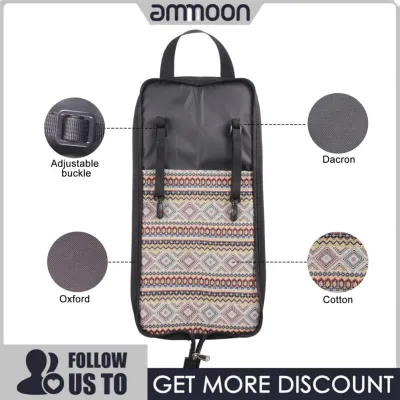
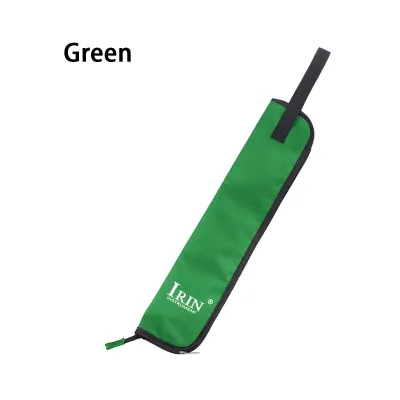
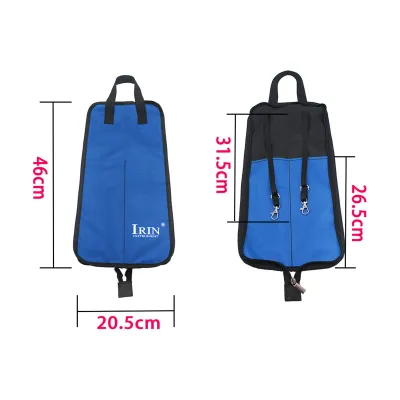
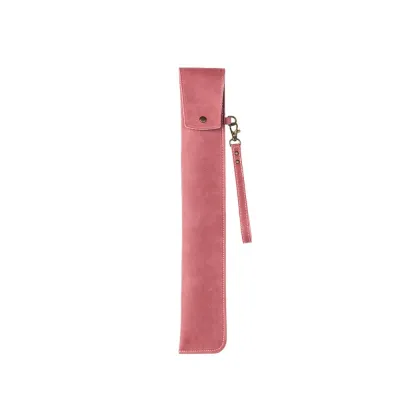
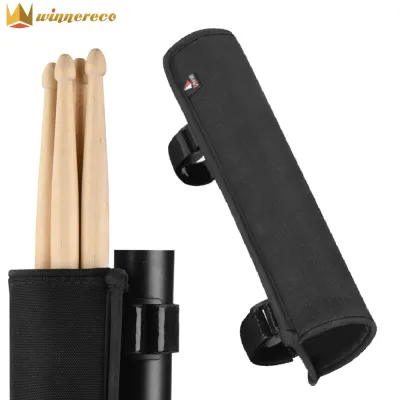
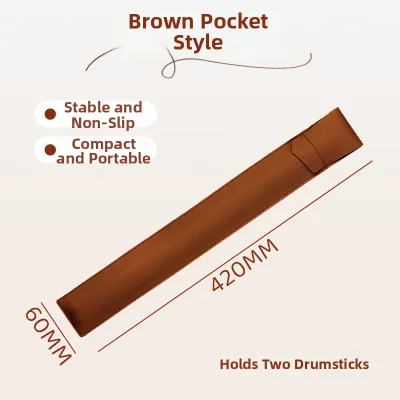
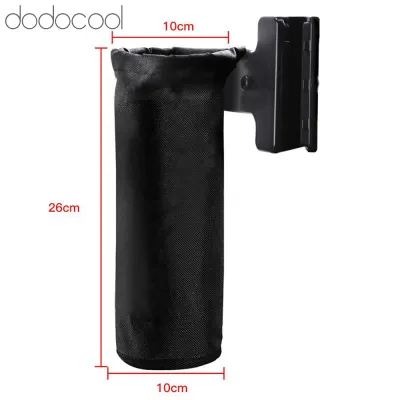
Prices are valid at publication and may change. Please refer to the product page for the latest price.
Internal protection is equally vital for preserving the integrity of your sticks, brushes, and mallets. Look for bags featuring dense foam padding that cushions your gear against impacts during transit. A reinforced base is a crucial structural feature; it prevents the sharp, splintered tips of broken sticks or heavy mallet shafts from puncturing the bottom of the bag over time. Rigid or semi-rigid internal frames help the bag maintain its shape, preventing it from collapsing or folding when fully loaded, which can warp thinner wooden sticks.
High-stress components are the most common failure points on any gig bag and deserve close inspection before purchase. Zippers should be oversized and heavy-duty, preferably with smooth, self-lubricating teeth that resist snagging when you are rushing to pack up after a set. Examine the stitching around handle attachments and shoulder strap anchors; double-stitching or metal rivets are excellent indicators of a bag built to handle heavy loads. Cheap plastic clips on shoulder straps should be avoided in favor of rugged metal hardware that won’t snap under tension.
Matching Bag Styles to Your Transport and Gear Volume
Your primary method of transportation to gigs and rehearsals should heavily influence the style of drumsticks bag you choose. For drummers who commute via public transit, walk, or ride bicycles to venues, a stick backpack is often the most practical solution. These specialized backpacks feature dedicated, padded compartments for a large arsenal of sticks alongside extra space for personal items, sheet music, and even a laptop. By distributing the weight evenly across both shoulders, a backpack keeps your hands free to carry heavier gear like a snare drum or a cymbal bag.

If you primarily travel by car or taxi and carry a moderate selection of sticks, a traditional stick bag with an adjustable shoulder strap is a highly versatile choice. These bags typically accommodate between 10 and 20 pairs of sticks, balancing a relatively slim profile with sufficient storage capacity. The single shoulder strap allows for quick, grab-and-go portability, making it easy to sling the bag over your shoulder while carrying hardware stands or drum cases in your hands.
For minimalists, jazz players, or those who only need a few select pairs of sticks for a specific performance, stick rolls or wraps are excellent alternatives. These compact options fold or roll up tightly, securing with straps or ties to take up minimal space inside a larger gear bag or cymbal case. While they are incredibly lightweight and highly portable, they generally offer very little rigid impact protection and have limited space for accessories like drum keys or earplugs.
On the opposite end of the spectrum, touring professionals and orchestral percussionists carrying extensive collections of sticks, mallets, and small hardware should look into wheeled bags or heavy-duty hard cases. These specialized cases offer maximum protection against rough handling by road crews or airport baggage handlers. While they are significantly bulkier and heavier than standard bags, their rigid construction ensures that expensive, delicate mallets and specialized brushes remain completely undamaged during long-distance travel.
Organization and Accessibility for Live Stage Environments
A well-organized internal layout is essential for maintaining your flow and focus during a live performance. Look for a bag that features multiple dedicated internal pockets or dividers rather than one large, open compartment. This separation allows you to sort your sticks by size, weight, or type—such as keeping your standard 5A hickory sticks separate from your maple jazz sticks, hot rods, or wire brushes. Proper organization prevents your gear from tangling or rubbing together, which can damage delicate brush wires or mallet felt.
External quick-access pockets are invaluable for keeping essential giging accessories organized and within reach. A gigging drummer needs to carry more than just sticks; items like drum tuning keys, spare clutch felts, earplugs, dampening gels, metronomes, and printed setlists all need a secure home. Look for external pockets with secure zippered closures or heavy-duty hook-and-loop fasteners to ensure these small, vital items do not fall out during transit.
The way a bag opens and mounts to your drum kit directly impacts your efficiency on a dark, crowded stage. Most professional stick bags feature adjustable straps or heavy-duty hooks designed to hang the open bag directly from your floor tom tension rods. This positions your sticks vertically right next to your playing hand, allowing you to grab a replacement instantly if you drop or break a stick mid-song. Compare top-loading designs, which allow you to slide sticks out of the top of the bag without unzipping it completely, against classic clamshell designs that fold completely flat to expose all your gear at once.
Building Your Shortlist: What to Verify Before Purchase
Before finalizing your purchase, it is essential to verify the physical dimensions of the bag against your actual gear. Do not rely solely on generic manufacturer claims regarding “pair capacity,” as stick thicknesses and mallet head sizes vary significantly. Measure the length of your longest orchestral sticks or timpani mallets and compare them to the bag’s internal height specifications to ensure they will fit comfortably without bending the top edge of the bag or preventing the zipper from closing.
Investigate the manufacturer’s warranty terms and customer support policies, particularly regarding hardware failures. High-quality drum accessory brands often provide warranties that cover manufacturing defects, broken zippers, or torn seams for a specified period. Understanding these terms gives you peace of mind, especially when investing in a premium bag designed for long-term professional use.
When researching options on online marketplaces or local retailer websites, look for recurring patterns in user feedback rather than isolated complaints. Pay close attention to comments regarding long-term durability, such as reports of seams splitting under heavy loads, floor tom hooks snapping, or the bottom of the bag sagging over time. This real-world feedback can help you identify potential design flaws that may not be apparent from product photos alone.
Finally, confirm the return and exchange policies of your chosen retailer before making a purchase. This is particularly important if you are buying online, as it allows you to test the bag’s physical layout, weight distribution, and mounting system with your actual drum kit at home. Whether you are looking at an entry-level wrap costing around S$25 or a premium, feature-rich hybrid backpack priced over S$120, verifying these details ensures you get the best value for your investment. If the ergonomics do not feel right or the bag does not hang securely from your floor tom, a flexible return policy ensures you can exchange it for a model that better suits your playing style.
Frequently Asked Questions (FAQ)
How do I clean and maintain a canvas or nylon drumsticks bag?
To clean a canvas or nylon drumsticks bag, start by emptying all contents and shaking out wood shavings, dust, and debris. Use a soft-bristled brush or a damp cloth with mild soap and lukewarm water to spot-clean dirty areas, focusing on sweat-stained handles or grime near the base. Avoid using harsh chemical detergents, bleach, or machine washing, as these can strip away water-resistant coatings and damage the structural padding. Always allow the bag to air-dry completely in a well-ventilated, shaded area before storing gear inside to prevent the growth of mold or mildew.
Can I use a regular sports duffel bag instead of a dedicated stick bag?
While a regular sports duffel bag can physically transport your sticks, it lacks the specialized features required for active gigging. Duffel bags do not have internal dividers, causing your sticks, brushes, and mallets to roll around, tangle, and potentially sustain damage during transit. Furthermore, generic bags lack the built-in straps or hooks needed to hang the bag from your floor tom, making it difficult to access replacement sticks quickly during a live performance. Investing in a dedicated stick bag ensures your gear remains protected, organized, and instantly accessible on stage.

Community discussion
Share your experience or ask a question. Comments are reviewed before publication.