
Selecting the right language learning pocketbook requires matching the book’s structural format with your current proficiency level and the specific linguistic demands of your target language. Whether you are preparing for a short trip, reinforcing classroom grammar, or expanding your professional vocabulary, a pocketbook serves as a highly portable, focused study companion. By evaluating key features such as layout readability, dialect accuracy, and digital audio integration, you can find a resource that fits seamlessly into your daily routine.
Quick Guide to Choosing Your Language Learning Pocketbook
A language learning pocketbook is a compact, highly portable reference book designed for quick study sessions, rapid lookup, and on-the-go practice. Unlike comprehensive coursebooks or heavy dictionaries, pocketbooks are highly specialized. They typically fall into three main categories: phrasebooks for immediate communication, pocket grammar guides for structural reinforcement, and vocabulary builders for targeted lexical expansion.
To find the ideal pocketbook, you must evaluate three core decision pillars. First, consider your target language’s unique characteristics, such as its writing system, regional dialects, and phonetic structures. Second, assess your current proficiency level to ensure the material is neither too simple nor overwhelmingly complex. Third, define your primary use case, whether you need survival phrases for travel, structured rules for academic exams, or casual dialogue practice for daily conversation.
Products mentioned in this guide
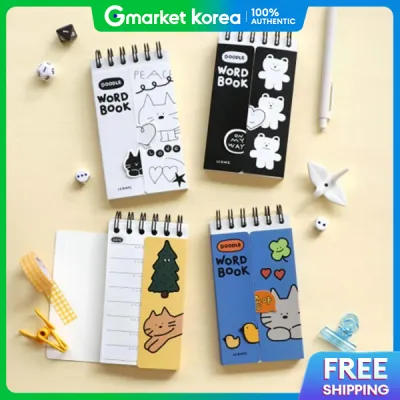
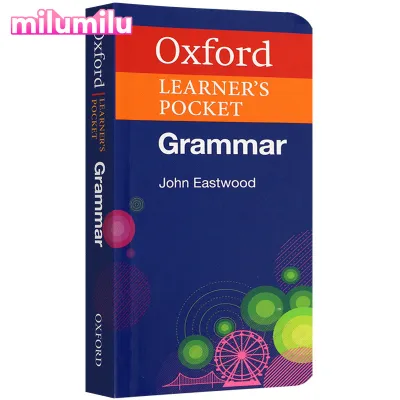
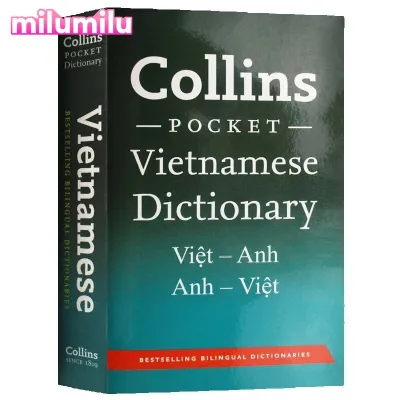
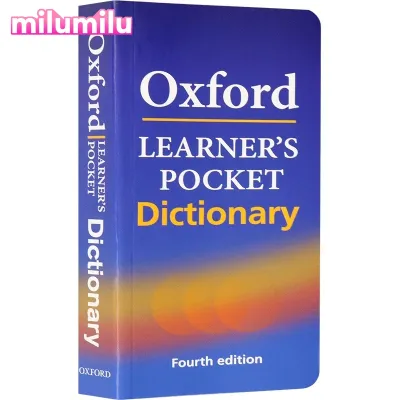
Prices are valid at publication and may change. Please refer to the product page for the latest price.
Living languages are constantly evolving, which makes publication dates and edition updates critical. Slang, colloquialisms, and even formal spelling conventions can change over time. When selecting a pocketbook, prioritize recent editions to ensure the vocabulary reflects contemporary usage. Checking the publisher’s release history can also reveal whether a book has been updated to include modern digital terms, updated cultural contexts, or revised phonetic standards.
Matching Pocketbooks to Your Proficiency Level
Selecting a pocketbook that aligns with your current skill level prevents the frustration of incomprehensible input and the boredom of repetitive exercises. Language learning materials are most effective when they challenge you slightly beyond your current comfort zone.

For beginners operating at the A1 to A2 levels, the primary goal is building a foundational vocabulary and mastering basic survival communication. Pocketbooks for this stage should place a heavy emphasis on phonetics, clear pronunciation guides, and essential everyday phrases. Look for books that feature visual aids, color-coded sections, and comprehensive bilingual glossaries that translate target words directly back to your native language. At this level, complex grammatical explanations should be kept to a minimum, favoring practical, ready-to-use sentence patterns instead.
Intermediate learners at the B1 to B2 levels require resources that transition them away from literal translation toward contextual understanding. Pocketbooks for intermediate study should feature realistic dialogues, thematic vocabulary lists, and clear explanations of intermediate grammar rules, such as verb tenses and sentence structures. At this stage, look for books that introduce target-language-only sections or monolingual explanations to encourage thinking directly in the language. The inclusion of cultural notes and common idioms is also highly beneficial for bridging the gap between formal study and natural conversation.
Advanced learners at the C1 to C2 levels need pocketbooks that focus on nuance, precision, and specialized terminology. Look for advanced guides that explore subtle differences between synonyms, complex idiomatic expressions, and stylistic variations. Pocketbooks featuring literature excerpts, editorial commentary, or specialized topic guides are ideal. At this level, bilingual translations should be minimal, allowing you to engage deeply with the target language’s natural flow and structure.
To verify level alignment before purchasing, look for standardized frameworks printed on the book’s cover or back jacket. The Common European Framework of Reference for Languages (CEFR) is the most widely used international standard, categorizing proficiency from A1 (beginner) to C2 (mastery). Other regional frameworks, such as those from the American Council on the Teaching of Foreign Languages (ACTFL), may also be present. Checking for these official designations ensures the content has been structured according to verified pedagogical standards.
Selecting Materials for Your Target Language
Different language families present distinct learning challenges, meaning a pocketbook format that works well for Spanish might be entirely unsuitable for Japanese or Arabic. You must evaluate how a book handles the specific structural and phonetic elements of your target language.
For languages that use non-Latin writing systems, the presence of clear transliteration or phonetic spelling is essential, especially for beginners. If you are studying languages like Russian, Greek, Hindi, or Japanese, verify that the pocketbook includes Romanized text alongside the native script. This allows you to practice pronunciation and build oral confidence before you have fully mastered the written alphabet. As you progress, ensure the book gradually phases out transliteration to help you read the native script independently.
Dialect and regional variations can significantly impact the practical utility of your pocketbook. Spanish spoken in Spain differs in vocabulary and pronunciation from Spanish spoken in Mexico or Argentina; similarly, Portuguese varies greatly between Portugal and Brazil. Before buying, check the book’s introduction or product description to confirm it covers the specific regional dialect you intend to use. Using a book tailored to the wrong region can lead to confusion, outdated expressions, or misunderstandings when communicating with native speakers.
Tonal languages, such as Mandarin, Vietnamese, or Thai, require specialized pocketbook features to ensure accurate pronunciation. Because pitch changes the meaning of a word entirely, verify that the book includes clear tone marks on all phonetic spellings. Additionally, look for pocketbooks that offer integrated audio companions or phonetic charts that explain pitch contours. Without these visual and auditory guides, learning a tonal language from a printed book alone can lead to deeply ingrained pronunciation errors that are difficult to correct later.
Key Features to Evaluate Before Buying
A pocketbook’s physical design and structural organization directly influence how often and how effectively you will use it. Because these books are meant for quick reference and frequent handling, several practical features deserve close inspection.
Layout and readability are paramount when dealing with compact print sizes. Look for pocketbooks that utilize clear, legible fonts and high-contrast printing. Color-coding is an incredibly useful design feature, allowing you to quickly distinguish between the target language, phonetic transliterations, and native translations. A clean layout with generous spacing between lines prevents visual fatigue, making it easier to study during short commutes or in low-light environments.
Modern language pocketbooks frequently incorporate audio and digital companions to bridge the gap between text and speech. Check the book’s cover or publisher details for references to accompanying mobile apps, downloadable audio files, or QR codes printed directly on the pages. These digital tools allow you to listen to native speakers pronouncing the exact phrases you are reading, which is invaluable for developing listening comprehension and accent accuracy.
The utility of a reference book depends heavily on how quickly you can find information. A robust bilingual index is a non-negotiable feature for any high-quality pocketbook. It should allow you to search for words in both your native language and the target language. Furthermore, look for books organized by clear thematic categories and those that include quick-reference tables for common verb conjugations or numerical systems.
Physical durability determines whether your pocketbook can withstand the rigors of daily travel. Since these books are often tossed into bags, pockets, or backpacks, evaluate the cover material and binding quality. Flexibound covers offer a great balance of flexibility and protection, while paperbacks with protective plastic jackets resist moisture and wear. Look for section-sewn bindings rather than purely glued ones, as sewn pages are far less likely to fall out after repeated folding and reference.
Building Your Shortlist and Making the Final Decision
With numerous language learning pocketbooks available on the market, finding the right one requires a systematic selection process. By following a structured approach, you can filter out unsuitable options and invest in a book that truly supports your learning goals.
Step 1: Define your primary learning scenario. Before browsing, clarify exactly how and where you plan to use the book. If you are preparing for an upcoming vacation, a travel-focused phrasebook with cultural tips is ideal. If you are studying for an academic exam, a pocket grammar guide with structured tables will serve you better. For daily commuting, a vocabulary builder with short, bite-sized lessons is the most practical choice.
Step 2: Filter by verified proficiency level and specific language dialect. Use the CEFR or equivalent levels printed on the cover to narrow your options. Ensure the book matches the exact regional dialect of your target destination, checking the publisher’s notes to confirm whether it covers European, Latin American, or other regional variations.
Step 3: Cross-reference structural features against your personal learning style. If you learn best through auditory input, prioritize books that feature QR codes linking to native audio recordings. If you are a visual learner, look for layouts that utilize color-coded grammar blocks or illustrative diagrams. Ensure the index and search tools align with how you prefer to look up information.
Step 4: Review the publisher’s official description and verified reader feedback. Visit the publisher’s website to confirm the book’s specifications, edition number, and companion app compatibility. Read verified customer reviews on online marketplaces to assess real-world durability, print quality, and whether other learners found the phonetic guides accurate and easy to follow.
Frequently Asked Questions (FAQ)
Are digital pocketbooks better than physical ones for language learning?
Physical pocketbooks offer distinct tactile benefits that can enhance focus and retention. Studying from a printed page reduces screen fatigue and eliminates the digital distractions of notifications and multitasking. Many learners find that the physical act of flipping pages and seeing words in a fixed spatial layout helps them recall information more effectively. Physical books are also highly reliable, requiring no battery power or internet connection.
Digital pocketbooks, however, excel in portability, searchability, and multimedia integration. A digital format allows you to carry dozens of reference guides on a single device, and the built-in search function lets you locate specific words or phrases instantly. Furthermore, digital editions often feature embedded audio clips, allowing you to tap a word to hear its pronunciation immediately.
Your choice should depend on your primary study environment. If you prefer dedicated, distraction-free study sessions at a desk or during quiet moments, a physical pocketbook is an excellent choice. If you frequently study during short, unpredictable gaps throughout the day—such as waiting in lines or riding public transit—the instant accessibility and audio integration of a digital format may be more practical.
How can I verify if a pocketbook's audio companion is still accessible?
Before purchasing a pocketbook, especially an older or used edition, visit the publisher’s official website to verify the status of its supplementary audio materials. Look for dedicated support pages, download sections, or companion app listings. Ensure that the audio files are still hosted and available for download, or that the companion app is compatible with your current mobile operating system.
Buying used pocketbooks carries a significant risk of missing access codes or encountering deprecated media formats. Older editions often relied on physical CDs, which many modern computers and devices cannot play, or unique scratch-off registration codes that may have already been redeemed by the previous owner. If the audio companion is locked behind a one-time-use code, you may be unable to access vital pronunciation guides.
To avoid these compatibility issues, look for recent editions published within the last few years. Modern editions typically utilize open-access QR codes printed directly on the pages or free companion apps available in standard app stores. Choosing a current edition ensures that the digital resources remain fully supported, active, and easily accessible on your modern devices.

Community discussion
Share your experience or ask a question. Comments are reviewed before publication.