
Starting your musical journey with the piano is an exciting step, but selecting your first instrument can feel overwhelming given the vast array of options on the market. For beginners in Singapore, the ideal starting point is an 88-key electric piano that closely replicates the touch, response, and sound of a traditional acoustic instrument. Choosing the right model requires balancing key action, sound quality, physical size, and local support. By focusing on fully weighted keys and reputable brands, you can secure an instrument that supports your learning for years to come without needing an early upgrade.
To make a wise investment, you must understand what technical specifications directly impact your playing experience. From the mechanical resistance of the keys to the way the sound is generated and projected, every detail plays a role in developing proper technique. This guide will walk you through the essential factors to evaluate, helping you build a reliable shortlist and navigate the local purchasing process with confidence.
Why an 88-Key Fully Weighted Keyboard is Essential
Choosing an instrument with the standard 88-key range is crucial for anyone serious about learning the piano. Traditional piano literature, from classical masterpieces to modern pop arrangements, is written with this full range in mind. If you begin on a smaller 61-key or 76-key keyboard, you will quickly run out of notes as your lessons progress. Starting with the full layout ensures you never have to adapt your hand positioning or skip pieces due to a lack of physical keys.
Products mentioned in this guide
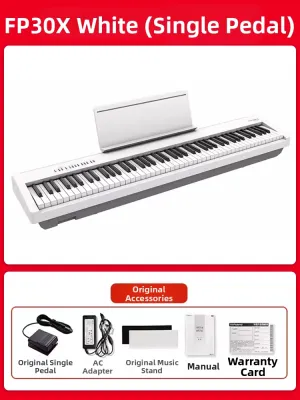
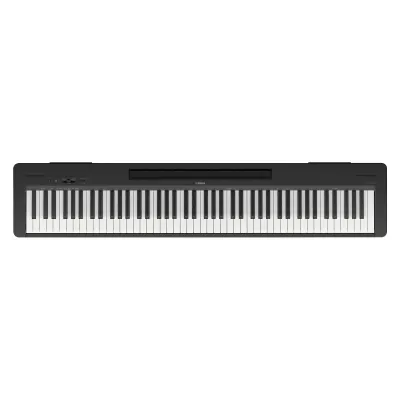
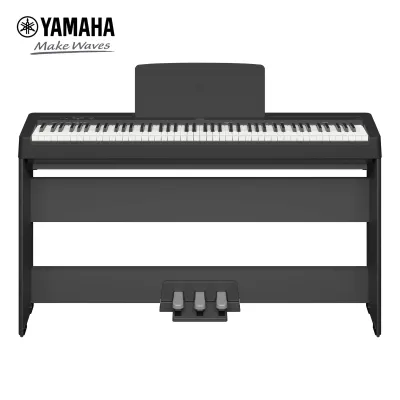
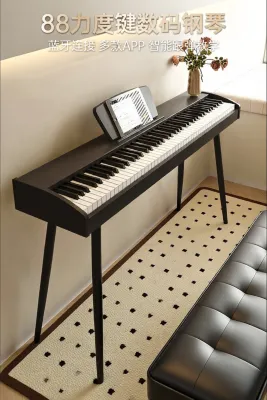
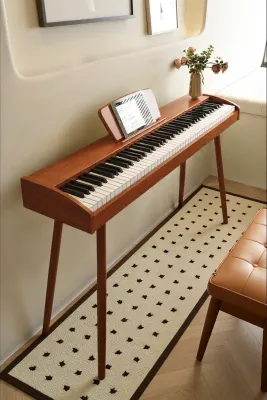
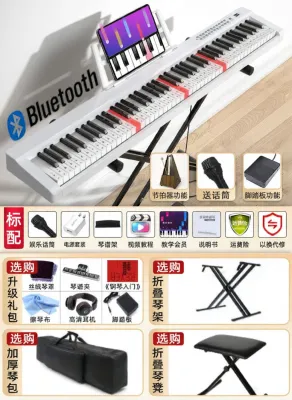
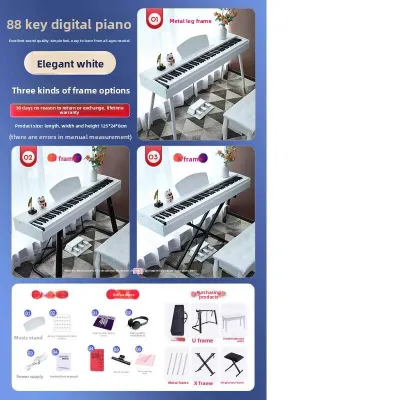
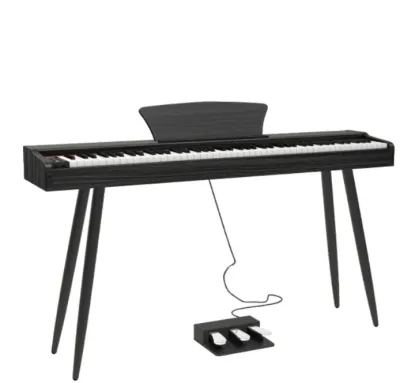
Prices are valid at publication and may change. Please refer to the product page for the latest price.
The mechanical design of the keys is even more critical than the quantity. Non-weighted keyboards, often found on budget synth-style instruments, use simple springs to return the keys to their resting position. Semi-weighted keys add a small amount of resistance but still lack realistic mechanical feedback. A fully weighted hammer action keyboard, however, utilizes physical weights and levers to simulate the actual hammers striking strings inside an acoustic piano. This mechanical resistance is what allows you to play with expression and control.
Practicing on a fully weighted keyboard is the only way to build the finger strength, hand posture, and muscle memory required for proper piano technique. Acoustic pianos require a specific amount of physical force to produce a clear, resonant tone. If you train on unweighted keys, your fingers will lack the stamina and precision needed when you transition to an acoustic piano during lessons, exams, or performances. Investing in a weighted action from day one prevents the development of poor habits that are incredibly difficult to correct later.
Core Specifications to Evaluate Before Buying
When comparing different models, the keyboard action mechanism should be your primary focus. Look for terms like “graded hammer action” in the manufacturer specifications. Graded action means the keys on the lower end of the keyboard feel slightly heavier than those on the higher end, mimicking the natural physics of an acoustic piano. Some advanced entry-level models also feature escapement simulation, which replicates the subtle “let-off” click felt when pressing a key down slowly, offering an extra layer of realism.

The surface material of the keys also plays a significant role in playability. Standard plastic keys can become slippery, especially during long practice sessions in Singapore’s warm, humid climate. Many reputable manufacturers now apply textured coatings to their keys, often marketed as synthetic ivory or ebony. These textured surfaces absorb moisture from your fingertips, providing a secure grip and a more premium feel that closely resembles traditional wooden keys.
Sound engine quality is another critical specification to check on product sheets. Electric pianos generate sound using digital recordings, or samples, of high-end acoustic grand pianos. Look for instruments that utilize multi-layered sampling, where different recordings are triggered depending on how hard you strike the key. This ensures the tone changes dynamically, rather than just getting louder. Additionally, pay attention to the speaker system; dual-speaker setups with upward-facing ports generally offer a more immersive and realistic sound projection than small, downward-facing speakers.
Polyphony is a technical metric that directly impacts how your playing sounds. Polyphony refers to the maximum number of individual notes or voices the piano can produce at the exact same time. For a beginner, a minimum of 64-note polyphony is acceptable, but 128-note or 256-note polyphony is highly recommended. When you hold down the sustain pedal and play a series of rapid chords, older notes continue to ring out. If your instrument has low polyphony, it will abruptly cut off the oldest notes to make room for new ones, resulting in a thin, unnatural sound.
Finally, evaluate the built-in practice tools that can accelerate your learning. A built-in metronome is indispensable for developing a steady sense of rhythm and timing. Recording functions allow you to capture your practice sessions and listen back critically to identify areas that need improvement. Dual headphone jacks are also incredibly useful, allowing you to practice silently at any hour of the day or night without disturbing family members or neighbors, while still permitting a teacher or parent to plug in and listen along.
Portable vs. Console: Choosing the Right Form Factor
Electric pianos generally fall into two categories: portable models and console models. Portable models, often referred to as slab or stage pianos, consist of just the keyboard unit itself. They are lightweight, easy to move, and highly suitable for compact apartments or HDB flats where space is limited. If you need to store the instrument away when not in use, or if you plan to transport it to different locations, a portable model offers the flexibility you require.
However, portable models require a separate stand to support them. Beginners should avoid flimsy, single-braced X-stands, which tend to wobble when you play energetically. Instead, opt for a sturdy double-braced X-stand, a Z-stand, or the manufacturer’s dedicated wooden stand designed specifically for that model. Purchasing a dedicated wooden stand often turns a portable keyboard into a stable, semi-permanent fixture that feels much more secure under your hands.
Console models, on the other hand, are designed as furniture-style instruments. They come with an integrated wooden cabinet, a sliding key cover to protect against dust, and a fixed three-pedal board that replicates the soft, sostenuto, and sustain pedals of an acoustic grand piano. These models are aesthetically pleasing and blend seamlessly into home decor, making them a beautiful addition to a living room or study. The integrated cabinet also provides a highly stable playing platform and typically houses larger, more powerful speakers.
The trade-offs between the two styles involve price, physical footprint, and included accessories. Portable models are generally more budget-friendly upfront, but you must factor in the additional cost of a stand, a bench, and a high-quality sustain pedal. Console models have a higher initial cost and a larger physical footprint, making them difficult to move once assembled. However, they provide a complete, stable, and visually appealing package out of the box, with no extra furniture purchases required.
How to Build a Reliable Shortlist from Established Brands
To build a reliable shortlist, focus your research on established manufacturers with a documented heritage in acoustic piano production or digital music technology. Brands like Yamaha, Roland, Casio, and Kawai have spent decades refining their keyboard actions and sound engines. By choosing an instrument from a recognized manufacturer, you benefit from their extensive research and development, ensuring the key action and tonal response are pedagogically sound for a beginner.
Identify the entry-level or compact series within these brand lineups by visiting their official websites and downloading current product catalogs. Look for series designed specifically for home practice or beginners. These models prioritize the core essentials—a high-quality weighted keyboard action and a realistic grand piano sound—while omitting the complex synthesizer controls, hundreds of digital effects, and production tools that drive up the price of professional-grade instruments.
Once you have identified a few candidate models, cross-reference their specifications with independent video demonstrations. Look for videos that capture the direct audio output of the instrument rather than a room recording, as this gives you a truer sense of the sound engine’s quality. Pay close attention to close-up shots of the keys being played to observe how much the keys bounce or wobble, and listen to how the tone changes from a soft whisper to a powerful fortissimo.
Avoid obscure, unbranded, or white-label electric pianos sold at suspiciously low prices on general online marketplaces. These instruments often use cheap, spring-loaded keys that do not build finger strength, have poor sound quality with low polyphony, and lack transparent specification sheets. Furthermore, these brands rarely offer local customer support, spare parts, or warranty services in Singapore, meaning you could be left with an unrepairable instrument if a component fails.
Where to Buy and What to Verify in Singapore
When you are ready to make a purchase, always buy from authorized local distributors or official brand stores in Singapore. While parallel imports or unauthorized sellers on e-commerce platforms might offer slightly lower prices, they often do not include a valid local warranty. Purchasing from an authorized dealer ensures that your instrument is genuine and that you have access to official technical support and spare parts if any issues arise during the warranty period.
Before finalizing your purchase, verify exactly what is included in the box. Some retailers offer bundle deals that include the keyboard, a matching bench, a sustain pedal, a music rest, a power adapter, and a pair of headphones. Other retailers may sell the keyboard unit alone, requiring you to purchase these essential accessories separately. Carefully calculate the total cost of all necessary components to ensure you are getting a fair deal and budgeting your S$ purchase accurately.
Understand the local warranty terms and delivery services before committing. A standard manufacturer’s warranty in Singapore typically covers parts and labor for one to two years. Confirm whether the warranty includes on-site servicing, where a technician visits your home to repair the instrument, or if you must transport the heavy keyboard to a service center yourself. Additionally, ask if the retailer provides delivery and professional assembly, which is highly recommended for heavy console models that require careful structural setup.
Finally, make it a priority to visit physical showrooms in Singapore to test the instruments in person. Every manufacturer has a unique philosophy regarding key resistance and tonal brightness. An instrument that looks perfect on paper may feel too heavy or sound too bright to your personal senses. Spending time pressing the keys, testing the responsiveness of the pedals, and listening to the sound through a good pair of headphones will give you the confidence that you are choosing the perfect partner for your musical journey.
Frequently Asked Questions (FAQ)
Do I need to tune an 88-key electric piano?
No, electric pianos do not require tuning. Unlike acoustic pianos, which rely on physical strings under high tension that stretch and shift over time, electric pianos generate sound digitally using electronic components. This means the pitch will always remain perfectly stable, saving you the recurring cost of professional tuning services.
However, because they are electronic instruments, they require proper care to protect their internal sensors and key mechanisms. Singapore’s high humidity can cause moisture buildup inside the chassis, potentially leading to sticky keys or sensor malfunctions. To protect your instrument, keep it away from open windows and direct sunlight, use a fitted dust cover when the piano is not in use, and consider running a dehumidifier in the room during particularly humid seasons.
Can I connect my electric piano to learning apps?
Yes, most modern 88-key electric pianos can connect to educational software and interactive learning applications. To do this, you will need to check the instrument’s specification sheet for connectivity options. Look for a USB-to-Host port, which typically uses a standard USB Type-B cable to connect directly to a computer, tablet, or smartphone.
Many contemporary models also feature built-in Bluetooth MIDI, allowing for a wireless connection to your smart devices. Before purchasing, visit the manufacturer’s official website to confirm app compatibility and check if they offer their own proprietary learning and control apps. These official apps often allow you to adjust piano settings, select voices, and access built-in sheet music directly from your tablet’s screen.
Is a sustain pedal included with beginner models?
Most portable beginner electric pianos include a basic, plastic square foot switch in the box. While this basic switch is functional for the first few weeks of learning, it does not replicate the physical feel or resistance of a real acoustic piano pedal. Furthermore, these lightweight plastic switches tend to slide around easily on tiled or laminate flooring during practice.
For a more authentic experience, it is highly recommended to upgrade to a piano-style sustain pedal that features a chrome metal lever and a non-slip rubber base. If you choose a console model, a complete three-pedal board is built directly into the wooden cabinet, providing the correct physical height, resistance, and stability without requiring any separate upgrades.

Community discussion
Share your experience or ask a question. Comments are reviewed before publication.