
A vibrant, colorful ukulele is an incredibly inviting way to start your musical journey. The bright hues and playful designs can spark immediate enthusiasm, making you want to pick up the instrument and practice every day. However, when shopping for a budget-friendly model in Singapore, it is easy to fall into the trap of buying something that looks like a musical instrument but functions more like a decorative toy. The goal is to find an affordable, colorful ukulele that looks great while offering genuine playability, reliable tuning, and a pleasant tone.
Navigating the budget market requires a balance between visual appeal and structural integrity. By setting realistic expectations, inspecting the physical build, choosing the right retail channels, and understanding the total cost of ownership, you can secure an instrument that supports your learning rather than hindering it. This guide will walk you through the essential checks and decisions to ensure your first colorful ukulele is a joy to play.
Setting Realistic Expectations for an Affordable Beginner Ukulele
To make an informed purchase, you must first define what an affordable budget means and distinguish between a functional musical instrument and a novelty toy. In the entry-level market, prices can range from incredibly cheap novelty items to reasonably priced beginner instruments. A true musical instrument is engineered to hold its tune, have accurate fret spacing, and produce a clear sound, whereas a toy is often just molded plastic or cheap wood held together with low-grade glue, designed primarily for display or gentle play by young children.
Products mentioned in this guide
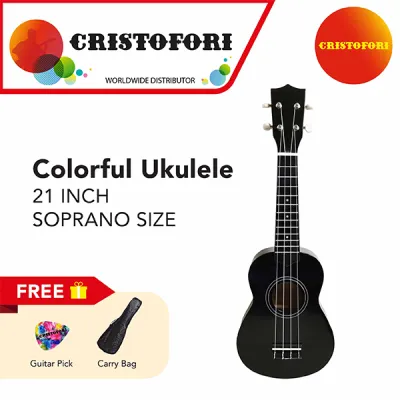
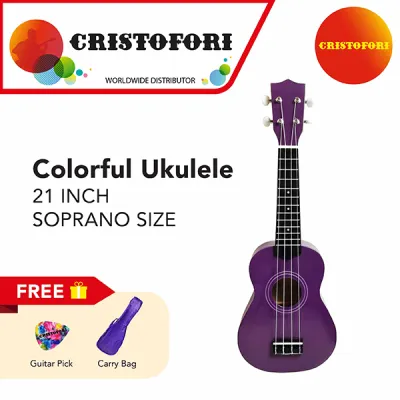
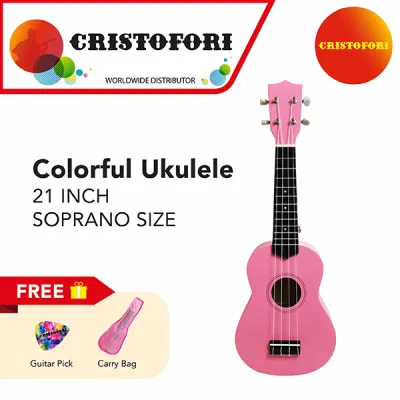
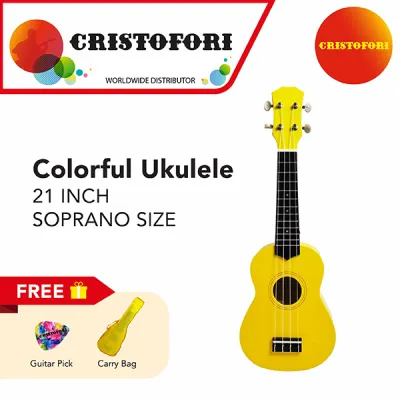
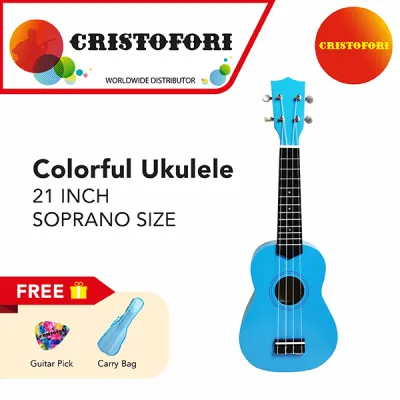
Prices are valid at publication and may change. Please refer to the product page for the latest price.
When shopping on a budget, your priorities must be tuning stability, comfortable playability, and structural integrity. A beautiful, high-gloss pastel finish is of no use if the tuning pegs slip every time you strike a chord, or if the neck is warped. For a beginner, a stable neck and reliable tuners are far more critical than premium tonewoods or intricate decorative inlays.
Understanding the standard trade-offs of budget pricing will help you avoid disappointment. Affordable colorful ukuleles are almost exclusively made from laminated wood or high-quality composite plastics rather than solid wood. Laminated wood is actually highly practical for Singapore’s humid climate, as it is less prone to cracking or warping than solid wood. However, budget models will also feature basic hardware, simpler construction methods, and factory-installed strings that may need time to settle or eventually be replaced.
Evaluating Build Quality and Materials in Colorful Models
When evaluating colorful ukuleles, the type of finish used plays a significant role in both aesthetics and sound. Opaque painted finishes are highly popular because they offer bold, solid colors like pink, blue, or yellow. However, a thick layer of heavy paint can sometimes be used to mask poor-quality wood, uneven joints, or structural flaws underneath. Stained or translucent finishes on laminated wood, on the other hand, allow you to see the wood grain while still enjoying a splash of color, which often makes it easier to inspect the underlying construction.

To ensure the ukulele is physically sound, you should perform a few basic checks on its construction. Run your fingers gently along the sides of the neck to check for smooth fret edges; sharp metal frets that stick out can make playing painful and indicate poor quality control. Look down the length of the fingerboard from the headstock to ensure the neck is straight and free from bowing or twisting. Additionally, inspect the bridge—the piece where the strings attach to the body—to ensure it is securely glued down with no visible gaps or lifting.
The tuning machines, or pegs, are the most critical hardware component on a budget ukulele. Look for geared tuning machines, which have visible metal gears, rather than friction pegs that rely solely on tension. Geared tuners offer much better precision and are far less likely to slip, ensuring that your instrument stays in tune for longer practice sessions. Check that the gears turn smoothly without grinding or feeling excessively loose.
Navigating Music Stores and Online Marketplaces in Singapore
Finding the right place to purchase your ukulele in Singapore involves weighing the convenience of online shopping against the security of an in-person trial. Visiting a physical music store in areas like Bras Basah Complex or Peninsula Plaza allows you to hold the instrument, feel the neck profile, and hear its actual tone before spending any money. Store staff can also assist with a basic setup or tune the instrument for you, which is incredibly helpful for absolute beginners.
On the other hand, online marketplaces and e-commerce platforms offer a much wider variety of colors, patterns, and bundled packages at highly competitive prices. If you choose to buy online, it is vital to purchase from authorized dealers or reputable sellers who specialize in musical instruments rather than general merchandise. Look closely at the seller’s ratings and read customer reviews specifically mentioning packaging quality and shipping times to Singapore.
Before finalizing your purchase, verify the retailer’s return, exchange, and defect-replacement policies. Because budget instruments can occasionally suffer from factory defects or shipping damage, a clear return policy is your safety net. Check if the seller offers any local warranty coverage or after-sales support, such as basic adjustments, which can save you the hassle of dealing with a defective instrument on your own.
Factoring in Essential Accessories and Total Costs
When planning your budget, remember that the cost of the ukulele itself is only part of the total investment. To start playing successfully, you will need a few essential accessories. A reliable clip-on tuner is highly recommended, as keeping the instrument in tune is crucial for training your ear. While smartphone tuning apps are available, a clip-on tuner detects physical vibrations directly from the headstock, making it much more accurate in noisy environments.
Other useful accessories include a padded gig bag and a basic strap. A padded bag is essential in Singapore to protect your instrument from sudden rain showers, humidity shifts, and physical bumps during your commute. If your chosen colorful ukulele does not come with strap buttons installed, you might want to look for a clip-on soundhole strap, which helps support the instrument without requiring you to drill holes into the body.
You should also factor in the potential cost of upgrading the factory-installed strings. Many budget ukuleles ship with cheap black nylon strings that can sound dull and feel stiff. Replacing them with high-quality fluorocarbon or premium nylon strings can dramatically improve the tone, volume, and playability of a budget instrument. Finally, always check for additional costs such as local delivery fees or international shipping charges, ensuring the total checkout price in S$ remains within your target budget.
Spotting Red Flags and Quality Traps in Budget Instruments
To avoid frustration, you must be able to spot common quality traps that plague poorly made budget ukuleles. One of the most severe issues is poor intonation. Intonation refers to how in-tune the instrument remains as you play notes higher up the fretboard. If an open string sounds perfectly in tune, but a chord played at the fifth fret sounds sour and discordant, the fret spacing or bridge placement is incorrect. This is a structural defect that cannot be easily fixed and will make learning highly discouraging.
Another major red flag is excessively high string action, which is the distance between the strings and the fretboard. If the strings are set too high, you will have to press down incredibly hard to fret a note, leading to finger pain and buzzing sounds. While a professional setup can sometimes lower the action by sanding down the saddle, on a very cheap instrument, the cost of this service can easily exceed the value of the ukulele itself.
Be highly cautious of unusually low prices—such as instruments sold for the price of a simple meal—or listings with suspiciously perfect, repetitive reviews. Extremely cheap ukuleles often suffer from structural flaws like peeling finishes, loose internal bracing that rattles when played, or bridges that lift off the body under string tension. Investing slightly more in a reputable entry-level brand will save you from the disappointment of an unplayable instrument.
Frequently Asked Questions (FAQ)
Do colorful painted ukuleles sound worse than natural wood ones?
On affordable laminated wood ukuleles, the difference in sound between an opaque painted finish and a clear coat is generally minimal. Because budget instruments are already constructed from layers of pressed wood rather than solid tonewoods, the acoustic properties are less sensitive to surface finishes. While an exceptionally thick, heavy layer of cheap paint can slightly dampen the body’s resonance and reduce volume, the overall build quality, structural integrity, and string quality have a far greater impact on the sound. For a beginner, a colorful painted model that is properly constructed and easy to play is a perfectly suitable choice that will not hinder your progress.
How often should a beginner tune a new budget ukulele?
A beginner should expect to tune a new budget ukulele every few minutes during the first few days of play. This frequent tuning is not necessarily a sign of defective tuning pegs; rather, it is because new nylon or fluorocarbon strings stretch significantly when first brought up to pitch. To help the strings stabilize faster, you can gently stretch them by pulling them away from the fretboard along their length, retuning, and repeating the process a few times. Within a week or two of consistent daily tuning and playing, the strings will settle, and the instrument will hold its pitch much better, requiring only quick adjustments before each practice session.

Community discussion
Share your experience or ask a question. Comments are reviewed before publication.