
For most beginner drummers, the ideal starting point is a pair of size 5A hickory drum sticks with a teardrop wood tip. This specific combination offers the most balanced weight, diameter, and length for learning basic rudiments, developing wrist strength, and practicing on either a rubber pad or a full drum kit. Starting with this industry standard allows you to build proper muscle memory without fighting excessive weight or struggling with a stick that is too thin to grip comfortably.
Choosing your first pair of drum sticks is one of the most critical early decisions in your drumming journey. The sticks serve as the direct connection between your hands and the instrument, meaning their physical characteristics will heavily influence your technique, hand health, and overall playing experience. While the sheer variety of numbers, letters, and materials can feel overwhelming at first, focusing on a few standard specifications will help you make an informed choice.
By understanding how stick dimensions, wood types, and manufacturing quality affect playability, you can select a pair that supports your learning curve. This guide breaks down the essential factors to consider, helping you navigate the options available at local music shops and online retailers so you can start practicing with confidence.
Products mentioned in this guide
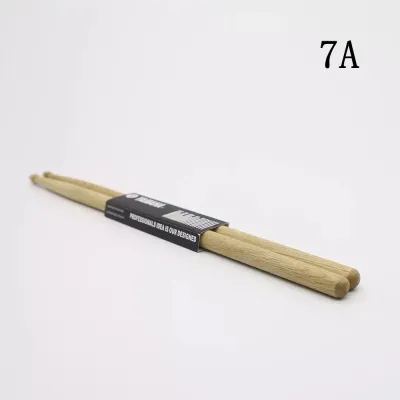
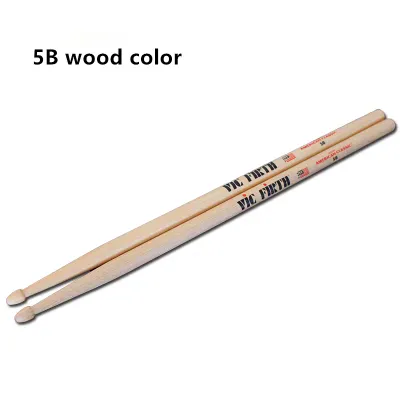
![[ammoon]One Pair of 5B/ 5A/ 7A Wooden Drumsticks Drum Sticks Hickory Wood Drum Set Accessories](https://img.lazcdn.com/g/p/fbbd312af4b3a8d242131818be7fee9a.jpg_400x400q80.jpg_.webp)
![[SG 🚚] Professional Drum Sticks 5A Hickory Walnut Wood 5A Drumsticks 7A Musical Instruments Drum Sticks One](https://img.lazcdn.com/g/p/a3df44bb9806f0e4860648fe275ccbac.jpg_400x400q80.jpg_.webp)
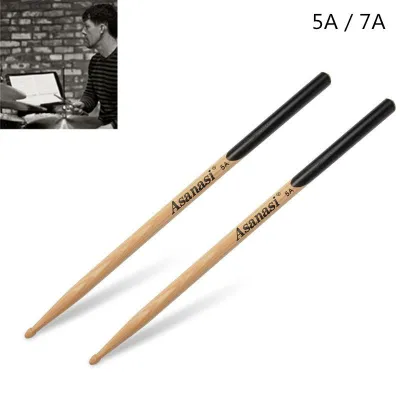

Prices are valid at publication and may change. Please refer to the product page for the latest price.
Understanding Drum Stick Sizing and Weight
Historically, the numbers and letters stamped on drum sticks had specific meanings related to their intended application and size. The number generally indicates the diameter or thickness of the stick. Counterintuitively, a lower number represents a thicker stick, while a higher number represents a thinner one. For example, a 5-series stick is thicker than a 7-series stick, but thinner than a 2-series stick.
The letter designation historically referred to the intended venue or style of music. The letter “A” originally stood for “Orchestra” (used because “O” was hard to print clearly), indicating a thinner stick designed for lighter, more controlled playing. The letter “B” stood for “Band,” which was meant for louder, outdoor brass bands or symphonic ensembles requiring a heavier profile. While modern manufacturing has evolved beyond these strict historical definitions, the letters and numbers remain the universal standard for sizing.
For the vast majority of beginners, the 5A size is the absolute best starting point. It sits comfortably in the middle of the spectrum, offering a medium diameter (typically around 14.3 millimeters) and a standard length (usually around 406 millimeters). This balanced profile makes the 5A incredibly versatile, allowing you to practice delicate jazz patterns, steady rock beats, and basic rudiments on a practice pad with equal ease. It provides enough weight to feel substantial in your hands, helping you develop wrist strength, without being so heavy that it causes premature fatigue.
If you have smaller hands or plan to focus primarily on low-volume genres like jazz, acoustic folk, or light orchestral percussion, a lighter stick like the 7A might be more suitable. The 7A is thinner and lighter, making it easier to control at lower volumes, though it may lack the power needed for heavier rock styles. Conversely, if you have larger hands, want to build wrist endurance more rapidly, or are drawn to heavy rock and metal, a thicker stick like the 5B or 2B can provide the necessary heft. These heavier sticks offer a thicker grip and more forward weight, which helps produce a louder, more powerful sound with less physical effort, though they can be tiring for beginners to control initially.
Choosing the Right Wood and Material
The type of wood used to manufacture a drum stick determines its weight, flexibility, and how it transfers vibration to your hands. Hickory is the most popular wood choice for drum sticks, and for good reason. It is a dense, hard wood that offers excellent shock absorption and durability. The natural fibers of hickory are highly resilient, allowing the stick to flex slightly upon impact rather than breaking, which helps protect your wrists from the harsh vibrations of striking a drum or cymbal.

Maple is another common option, known for being significantly lighter than hickory. Because maple is less dense, a maple stick of a given size (such as a 5B) will feel much lighter than its hickory counterpart. This makes maple an excellent choice for drummers who want a thicker grip without the added weight, allowing for fast, agile movements and a lighter touch. However, the lower density also means maple sticks are less durable and more prone to splintering under heavy use.
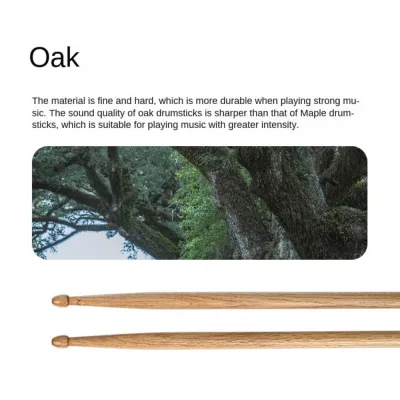
Oak is at the opposite end of the spectrum, offering maximum density and weight. Oak drum sticks are incredibly durable and resistant to wear, making them a favorite for heavy hitters who go through sticks quickly. The trade-off is that oak does not absorb shock as well as hickory or maple. The vibrations from each strike are transferred more directly into your hands and wrists, which can lead to increased fatigue or joint discomfort during long practice sessions, especially if your striking technique is still developing.
Beyond natural wood, you will also encounter synthetic drum sticks made from materials like carbon fiber, aluminum, or polyurethane. While synthetic sticks are highly durable and rarely break, they are generally not recommended for beginners. They lack the natural flex and organic feel of wood, and their high rigidity can transmit excessive shock to your joints. Additionally, synthetic sticks can be harsh on acoustic cymbals, potentially causing damage if your striking angle is incorrect.
Nylon tips are another material variation to consider. While traditional wood tips are carved directly from the stick itself, nylon-tipped sticks feature a plastic cap glued to the end. Nylon tips produce a much brighter, more articulate sound, particularly on cymbals, and they do not chip or wear down like wood tips. However, they can sound overly harsh on acoustic kits and do not offer the warm, natural tone that wood tips provide. For beginners practicing on acoustic drums, wood tips are generally preferred for their balanced acoustic properties, though nylon tips can be a durable alternative if you practice primarily on electronic drum kits with rubber or mesh pads.
Evaluating Playability, Durability, and Value
When selecting a pair of drum sticks, there are several physical checks you can perform to ensure they will play well. First, locate the balance point of the stick, which is typically about two-thirds of the way down from the tip. Holding the stick at this pivot point should feel natural and allow for effortless rebound. Next, check the straightness of the sticks by rolling them across a flat surface, such as a glass counter or a smooth table. If a stick wobbles or hops as it rolls, it is warped. Warped sticks will not rebound predictably, which can severely hinder your ability to develop consistent hand technique.
The finish of the stick also plays a major role in playability and grip comfort. Most drum sticks feature a thin lacquer coating, which protects the wood from moisture and provides a smooth feel. However, if your hands tend to sweat during practice, lacquered sticks can become slippery. Some manufacturers offer painted or stained sticks, which can look appealing but may feel sticky or slick depending on the finish. Unpainted or natural-finish sticks offer a raw wood texture that provides excellent grip when wet, though they can absorb hand oils and dirt more quickly. Choosing the right finish is largely a matter of personal preference, so it is worth holding different types to see what feels most secure in your hands.
A close inspection of the wood grain can tell you a lot about how long a pair of sticks will last. Look for sticks where the grain runs straight and parallel from the butt end all the way to the tip. If the grain runs diagonally across the stick (known as grain runoff), the stick is much more likely to split along those grain lines under impact. Additionally, high-quality drum sticks are pitch-matched and weight-matched at the factory. When you tap two sticks from the same pair on a hard surface, they should produce a very similar pitch. If one stick sounds significantly lower or higher than the other, they have different densities, which will cause them to feel unbalanced when you play.
For a beginner, finding the right balance between cost and quality is essential. While it might be tempting to purchase ultra-cheap, unbranded multi-packs from online marketplaces—often priced at just a few dollars for multiple pairs—these are usually a false economy. Such sticks are frequently made from low-grade wood, are highly prone to warping, and can break within minutes of use. Instead, look for mid-tier standard models from reputable manufacturers, which typically cost between S$15 and S$25 per pair in Singapore. These sticks undergo strict quality control, ensuring they are straight, matched in weight, and durable enough to last through weeks of consistent practice. Investing in a reliable mid-tier pair will save you frustration and help you build better habits from day one.
Building Your First Drum Stick Shortlist
When you are ready to buy, the most sensible strategy is to start simple. Do not buy multiple pairs of different sizes right away. Instead, purchase a single pair of standard 5A hickory sticks with a wood tip. Use this pair exclusively for your first few weeks of practice. This gives your hands and wrists a consistent baseline to adapt to. Once you have mastered basic grip and can play simple patterns, you will have a much better sense of whether you need something lighter, heavier, thicker, or thinner. Only then should you begin experimenting with other sizes like 7A or 5B.
Before finalizing your purchase, always inspect the physical sticks, even if they are sealed in a cardboard sleeve. Take them out of the packaging and perform the rolling test on a flat surface to check for warping. Inspect the wood for any visible cracks, knots, or rough patches that could cause splinters. Check the tips to ensure they are perfectly formed and free of chips. If you are buying online, review the retailer’s return and exchange policies. Reputable stores will often replace sticks that arrive warped or damaged, but it is always best to verify this beforehand.
To ensure you are getting genuine, high-quality drum sticks, it is highly recommended to purchase from authorized music retailers or reputable online music stores. Physical music shops in Singapore allow you to hold the sticks, test their weight, and roll them on a counter before buying. Furthermore, established music retailers store their inventory in climate-controlled environments, which prevents the wood from absorbing excess moisture or drying out—both of which can lead to warping and premature breakage. Avoid buying from generic discount online sellers where storage conditions are unknown and counterfeit products are more common.
Frequently Asked Questions (FAQ)
How often should a beginner replace drum sticks?
A beginner should replace their drum sticks as soon as they show signs of structural compromise. Visual indicators include deep chips or gouges along the shoulder (the tapered portion near the tip), severe splintering along the shaft, or a cracked or flattened tip. Tactile signs are equally important; if a stick suddenly feels hollow, vibrates excessively in your hand upon impact, or loses its natural rebound, the internal structure has likely fractured.
The actual lifespan of a pair of sticks varies widely based on your practice habits and setup. If you are practicing primarily on a soft rubber practice pad with correct technique, a single pair of hickory sticks can easily last for several months. However, if you are playing on an acoustic kit with metal cymbals and hard rims, the sticks will wear down much faster. Developing good striking technique—such as hitting cymbals with a glancing blow rather than a direct edge strike—will significantly extend the life of your sticks.
Does the tip shape matter for a beginner?
Yes, the shape of the stick’s tip (or bead) has a noticeable impact on the sound and response of the stick, particularly when playing on cymbals. Teardrop and oval tips are the most common and versatile shapes. They offer a medium surface contact area, which produces a warm, full-bodied tone on both drums and cymbals. This versatility makes them the ideal choice for beginners who are still exploring different genres and techniques.
Other shapes offer more specialized acoustic properties. Round or ball tips have a very small contact area, resulting in a bright, highly articulate, and consistent sound, which is excellent for intricate ride cymbal patterns but can sound thin on drums. Barrel tips have a larger, flatter contact area that produces a loud, punchy, and dark tone, making them popular for heavier rock styles. For a beginner, starting with a teardrop or oval tip is highly recommended, as these shapes are the most forgiving and provide a balanced sound across all parts of the drum kit.

Community discussion
Share your experience or ask a question. Comments are reviewed before publication.