
To choose the most suitable composition books for O-Level essay practice in Singapore, you must focus on matching the physical specifications of the actual examination papers. This means selecting books with the correct ruling styles, paper weight, and dimensions that mirror the official Ministry of Education standards. While various brands offer exercise books, the ideal choice depends on whether you are practicing for English essays, which require specific single-line spacing, or Chinese compositions, which demand precise grid formats to manage character counts. Prioritizing paper quality that resists ink bleed-through and choosing the right binding will ensure your timed writing sessions are both comfortable and highly representative of the actual exam environment.
Understanding O-Level Composition Book Requirements
Preparing for the O-Level examinations requires a highly structured approach, and simulating the exact conditions of the exam hall is a critical part of this process. In Singapore, secondary schools follow specific guidelines regarding the materials allowed and used in classrooms and examinations. When it comes to essay writing, the physical format of your practice paper can significantly influence your writing speed, handwriting legibility, and spatial awareness. Therefore, understanding the precise requirements of these exercise books is the first step toward effective preparation.
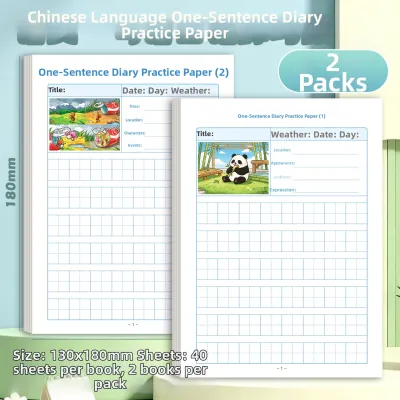
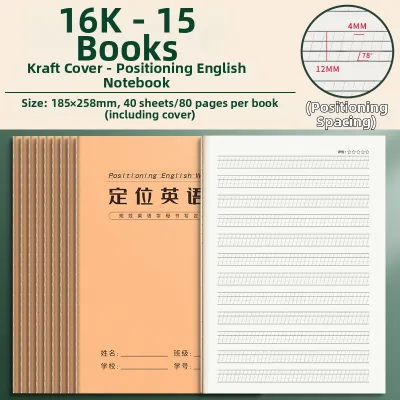
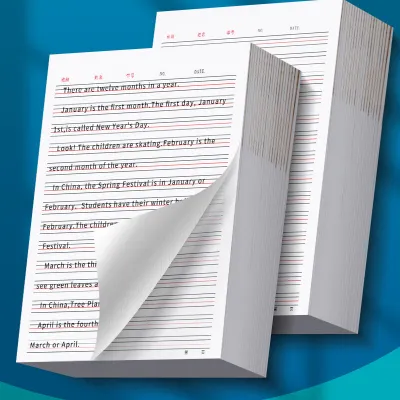
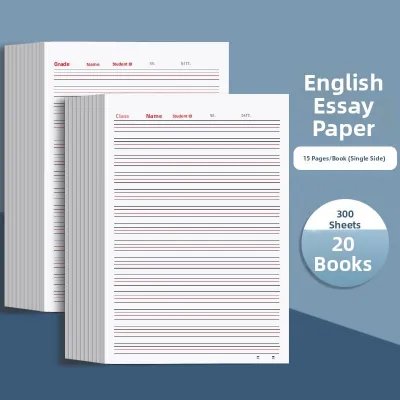
The most fundamental distinction in composition books lies in the ruling style, which varies depending on the language subject. For English language essays, students typically require single-lined books or loose-leaf foolscap paper. The standard line spacing used in school-issued materials is generally wider than standard commercial notebooks, providing ample space for clear handwriting and teacher corrections. For Mother Tongue languages, particularly Chinese, the requirements are entirely different. Students must use grid-lined composition books, commonly referred to as character grid books. These grids are designed to hold one Chinese character per square, helping students maintain neat alignment and easily monitor their character count during timed practices.
Products mentioned in this guide
Prices are valid at publication and may change. Please refer to the product page for the latest price.
Margins are another critical specification that students must verify. Official exam scripts feature pre-printed margins on the left and sometimes the right sides of the page. These margins are not just decorative; they are reserved for examiner marks, question numbers, and administrative codes. Practicing with composition books that feature identical margin layouts trains you to keep your writing strictly within the designated zones. Writing outside these margins during the actual exam can result in your answers being obscured during the digital scanning process, which is a risk every student must avoid.
Finally, the physical size of the book plays a practical role in your daily study routine. Most school-standard exercise books and composition pads are designed to fit comfortably on the standard-sized wooden or plastic desks found in Singapore classrooms. Opting for oversized notebooks can clutter your workspace, leaving little room for reference texts, dictionaries, or draft papers. By choosing books that match the standard dimensions used in schools, you ensure that your physical environment during practice matches the layout of your desk on the day of the national examinations.
Key Features to Evaluate When Buying Exercise Books
When selecting composition books for intensive O-Level preparation, looking beyond the cover design is essential. The physical and functional attributes of the paper and binding directly impact your writing comfort, speed, and the overall durability of your study archive. Evaluating these features systematically will help you avoid common frustrations, such as torn pages or illegible, smudged ink.

Paper weight and opacity are the most critical factors governing writing quality. Paper weight is measured in grams per square meter, with standard exercise books ranging from 60 to 80 grams per square meter. For O-Level practice, where students write continuously for hours, gel pens, rollerball pens, and fountain pens are highly favored for their smooth ink flow and reduced hand fatigue. However, thin paper is highly susceptible to ink feathering—where the ink spreads along the paper fibers— and bleed-through, where the ink seeps through to the reverse side. This makes writing on both sides of the page impossible and ruins the legibility of your essays. To prevent this, look for composition books with a paper weight of at least 70 grams per square meter, with 80 grams per square meter being the ideal standard for heavy ink usage.
The binding type of the composition book determines its durability and how easily it lies flat on your desk. Stapled binding, also known as saddle-stitching, is highly common for thinner exercise books. It allows the book to open relatively flat, which is excellent for writing comfort near the margins. However, stapled books can wear out quickly if subjected to frequent handling. Thread-bound or sewn bindings offer superior durability, ensuring that pages remain securely attached even after months of heavy revision. Avoid stiff, glued bindings that constantly spring shut, as forcing the book open with your non-writing hand can cause hand strain and disrupt your concentration during timed writing sessions.
Additionally, look for books that feature pre-printed headers, date sections, and page numbers. While these may seem like minor details, they save valuable time during intense study sessions. Having a dedicated space at the top of each page to write the date, essay topic, and question type allows you to maintain an organized archive of your work. This organization becomes invaluable during the final lead-up to the exams, enabling you to quickly locate specific essay genres, such as narrative, argumentative, or situational writing, along with the corresponding teacher feedback.
Matching Book Formats to Your Practice Strategy
Your choice of composition book should align closely with your specific study habits and the phase of your revision journey. Different formats serve different purposes, and utilizing a combination of styles can optimize your preparation.
For the initial stages of essay preparation, which involve brainstorming, mind-mapping, and structuring arguments, blank or dot-grid pages are highly effective. These formats offer the visual freedom needed to connect ideas, sketch out essay outlines, and list key vocabulary without the constraints of rigid lines. Once you transition to drafting the actual essay, however, you must switch to lined pages or character grids. This transition is crucial because it forces you to practice handwriting legibility and pacing under realistic exam constraints.
Another key decision is choosing between bound composition books and loose-leaf refill pads. Bound books are excellent for permanent record-keeping. They keep all your practice essays in a single, chronological volume, allowing you to track your progress over the academic year and preventing important drafts from getting lost. This sense of continuity can be highly motivating. Conversely, loose-leaf foolscap pads or refillable binder systems offer unmatched flexibility. They allow you to rearrange your essays by topic, insert teacher feedback sheets directly next to the relevant drafts, and discard rough work that is no longer useful. Many students use bound books for their final, polished essays and loose-leaf paper for timed drills and rough drafts.
The page count of the book is also a practical consideration. Thinner books, such as those with 40 to 80 pages, are lightweight and highly portable, making them easy to carry in a school bag already loaded with textbooks and files. However, they fill up rapidly during intense revision periods, requiring frequent replacements. Thicker books, containing 120 pages or more, provide a long-lasting archive but can be bulky and heavy. Balancing portability with your writing volume is key; many students find that a medium-sized book of 80 pages strikes the perfect balance for a single term’s worth of essay practice.
Where to Buy and What to Verify Before Checkout
Acquiring the right composition books in Singapore is straightforward, but a systematic approach to purchasing can save you both time and money. Knowing where to shop and what details to verify ensures you obtain high-quality materials that comply with school standards.
Your first point of reference should always be your school’s official booklist. Most secondary schools in Singapore partner with designated local bookshops or educational suppliers to provide custom-branded exercise books. These books are specifically tailored to the school’s curriculum and exam formats, making them the safest and most reliable choice for classroom use. If you need additional books for independent practice, visiting these school bookshops or their authorized retail outlets is highly recommended.
When purchasing from external retail bookstores or online marketplaces, look for bulk pack options. Buying composition books in packs of five or ten is generally much more cost-effective in S$ than purchasing individual books. Before finalizing your purchase, especially on online platforms, carefully review the retailer’s return policy. Ensure that you can return or exchange the items if they arrive with incorrect ruling widths, damaged bindings, or if they do not meet your school’s specific requirements.
If you are shopping in a physical store, take a moment to inspect the stock before heading to the checkout. Examine the spine of the books for any binding defects, such as loose threads, misaligned staples, or bent corners. Flip through the pages to verify that the printing is consistent, with clear, dark lines or grids that are not faded or skewed. For online purchases, where physical inspection is impossible, double-check the exact product codes or SKUs listed in the description. Minor differences in these codes can indicate variations in paper weight, line spacing, or page count, so verifying these details is essential to avoid receiving the wrong format.
Frequently Asked Questions (FAQ)
Can I use standard college-ruled notebooks for O-Level practice?
Standard college-ruled notebooks often feature narrower line spacing, typically around 7mm, compared to the standard single-line spacing used in Singapore school exercise books and exam scripts, which is usually 8mm or wider. Writing in spaces that are too narrow can negatively affect your handwriting legibility and speed under timed exam conditions. While college-ruled notebooks are perfectly suitable for casual brainstorming, vocabulary lists, and rough outlines, you should transition to exam-standard lined paper or official school exercise books for full-length, timed essay practice. This ensures you develop accurate spatial awareness and maintain a comfortable writing pace.
How many composition books should I stock up for the exam year?
The number of composition books you will need depends on your weekly writing frequency and the number of language subjects you are preparing for. If you write one English essay and one Mother Tongue essay per week, you will complete approximately 40 to 50 essays over the course of the academic year. Assuming a standard 80-page composition book holds about 10 to 15 full essays along with corrections and drafts, you will likely require three to four books per language subject. It is highly recommended to buy these books in phases—starting with two books per subject at the beginning of the year—to accommodate any changes in school requirements or personal study preferences as the exams approach.

Community discussion
Share your experience or ask a question. Comments are reviewed before publication.