
Selecting the right drum stick for lion dance is a foundational decision that directly impacts your performance quality, physical endurance, and the lifespan of your troupe’s drum. Unlike standard orchestral percussion, lion dance drumming requires sustained, high-impact physical exertion to match the athletic movements of the performers. Finding the ideal pair of drumsticks involves evaluating your current technical proficiency alongside how often you train and perform. By matching the weight, material density, and physical dimensions of the sticks to your specific needs, you can achieve a resonant, powerful tone while protecting your wrists and hands from repetitive strain.
Match Drumstick Weight to Your Skill Level
The weight and balance of your drumsticks should directly correspond to your technical experience and physical conditioning. For those who are new to the art, lighter drumsticks are highly recommended. Beginners are still developing the specific muscle memory, wrist flexibility, and grip strength required for the rapid, syncopated rhythms of the lion dance. Using a lighter stick allows you to focus on mastering fundamental striking techniques and maintaining precise timing without experiencing premature wrist fatigue. This reduced physical strain is crucial during long, repetitive training sessions where improper form with heavy sticks can easily lead to tendonitis or joint discomfort.
As your technique matures and your forearm strength increases, transitioning to heavier drumsticks becomes advantageous. Advanced performers often prefer heavier sticks because they provide the physical momentum needed to produce a deep, authoritative tone that can carry across outdoor performance spaces. The added mass of a heavier stick does more of the work in generating volume, allowing experienced drummers to project sound dynamically without over-exerting their arms. This weight also offers a more substantial rebound off the thick drumhead, enabling rapid rolls and complex rhythmic variations that define high-level performances.
Products mentioned in this guide
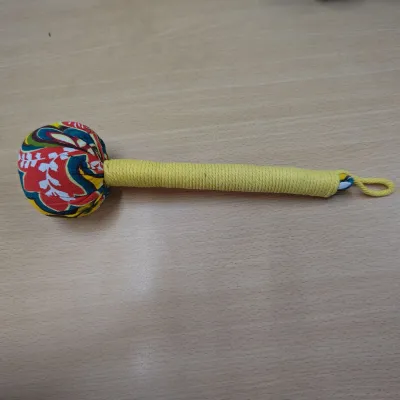
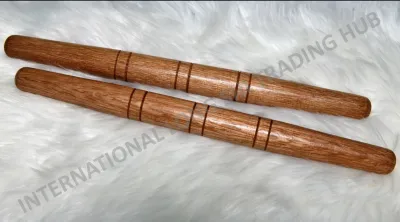
![[Ship in 24H] Lion drum drumstick prop horse-drawn drum mallet lion dance prop solid wood mallet a323](https://img.lazcdn.com/g/p/c58dcfda6f72f675ece8ad7e28b0a3cc.jpg_400x400q80.jpg_.webp)
Prices are valid at publication and may change. Please refer to the product page for the latest price.
Beyond skill level, your physical hand size and natural grip strength must guide your choice of stick diameter and overall mass. A drumstick that is too thin for your hand requires you to squeeze tighter to maintain control, which quickly leads to hand cramps and painful friction blisters. Conversely, a stick that is too thick can prevent your fingers from wrapping securely around the shaft, reducing your control over the rebound and increasing the risk of dropping the stick mid-performance. When selecting sticks, look for a diameter that allows your fingers to close comfortably with a relaxed grip, ensuring a secure hold that minimizes friction against the skin.
Choose Materials Based on Performance Frequency
Your performance schedule and practice frequency should dictate the material composition of your drumsticks. For occasional performers, such as school club members or seasonal participants who only play during festive periods like Chinese New Year, standard-density woods are an excellent choice. These woods, which often include lighter varieties of birch or medium-density local hardwoods, offer a balanced feel and reliable performance at an accessible price point. Because these sticks are not subjected to daily, high-impact abuse, they can last for several seasons if stored correctly, making them a cost-effective option for occasional use.

For dedicated troupe members who participate in year-round training and frequent commercial performances, investing in high-density hardwoods is essential. Regular practice sessions involve thousands of high-impact strikes against resilient, tightly tensioned drumheads, which can quickly splinter or warp lower-density woods. High-density hardwoods, such as ironwood, heavy oak, or specialized synthetic composites, are engineered to absorb repetitive shock without fracturing. Many premium performance sticks also feature reinforced tips or specialized grain alignments that resist chipping along the rim of the drum, ensuring the sticks maintain their structural integrity over hundreds of high-intensity shows.
When purchasing drumsticks, it is vital to verify the material specifications rather than relying solely on visual appearance or generic product names. Examine the manufacturer’s product labels or technical specifications for details regarding wood density, grain straightness, and impact resistance ratings. High-quality drumsticks typically feature straight, tight grain patterns running parallel to the length of the shaft, which indicates a lower likelihood of splitting under pressure. Avoid sticks with visible knots, swirling grain patterns, or uneven coloration, as these structural irregularities represent weak points that are highly susceptible to snapping during a live performance.
Verify Dimensions and Grip Specifications
The physical dimensions and surface finish of a drumstick are critical factors that influence both your playing comfort and your striking accuracy. When evaluating length and diameter, cross-reference the manufacturer’s size charts with your own arm length and the physical size of your troupe’s drum. A stick that is too short limits your reach and may force you to lean forward excessively, compromising your posture and balance. A stick that is too long can feel unwieldy, making it difficult to strike the center of the drumhead consistently. The ideal length should allow you to strike the drum comfortably while maintaining an upright, stable stance.
Surface treatments play a major role in how securely you can hold the drumsticks, especially during intense performances where sweat is inevitable. Bare wood finishes offer a natural feel and excellent feedback, but they can become slippery when wet and may require the application of specialized grip tape. Varnished or lacquered sticks provide a smooth, durable protective layer, but they can also lose traction if your hands sweat heavily. Many professional performers prefer sticks with pre-installed textured grip tape or non-slip rubberized sleeves, which ensure a reliable hold and absorb a portion of the impact shock, reducing the physical strain on your hands.
Weight distribution, or the balance point of the drumstick, determines how the stick behaves when it strikes the drumhead. Sticks with a forward-weighted balance point put more mass near the tip, which naturally increases striking power and volume but requires more effort to control during rapid sequences. Conversely, sticks with a center-balanced or tail-weighted design offer a much faster rebound and greater maneuverability, making them ideal for intricate, fast-paced drumming patterns. Testing the balance point helps ensure that the stick’s natural rebound aligns with your playing style, reducing joint stress and improving overall accuracy.
Inspect and Maintain Your Drumsticks Safely
Proper maintenance and regular safety inspections are essential to prolong the life of your drumsticks and prevent unexpected failures during a performance. In tropical climates with high humidity, wood is highly susceptible to absorbing moisture, which can cause warping, mold growth, or a significant loss of structural density. To prevent this, always store your drumsticks in a stable, dry environment away from direct sunlight, air conditioning vents, and extreme temperature fluctuations. Utilizing a padded, breathable stick bag helps protect the wood from environmental moisture while preventing physical damage during transport.
Before every practice session or public performance, conduct a thorough visual and tactile inspection of your drumsticks. Run your fingers along the entire length of the shaft to check for micro-cracks, deep dents, splintering, or loose grip tape. Pay close attention to the shoulder and tip of the stick, as these areas experience the highest impact forces and are the most common sites for structural failure. If you notice any lifting or peeling of the grip tape, re-secure or replace it immediately according to the manufacturer’s instructions to maintain a safe, non-slip hold.
Recognizing when to retire a pair of drumsticks is a critical safety practice that protects both the performer and the equipment. If a stick exhibits deep structural cracks, significant warping, or a severely chipped tip, it must be removed from service immediately. Continuing to use a compromised drumstick poses a serious risk, as the stick can snap violently mid-strike, potentially causing hand injuries or sending sharp wooden splinters toward nearby performers. Furthermore, a splintered or cracked stick tip can easily puncture or tear the expensive natural skin drumhead, resulting in costly repairs and disrupting your troupe’s performance schedule.
Frequently Asked Questions (FAQ)
Can I use standard marching snare drumsticks for lion dance?
Standard marching snare drumsticks are not suitable for lion dance drumming due to significant differences in construction, weight distribution, and impact tolerance. Snare drumsticks are designed for smaller, highly tensioned synthetic drumheads and feature narrow shafts and delicate tips that cannot withstand the heavy, repetitive blows required for large lion dance drums. Using snare sticks on a lion dance drum will result in a thin, weak tone and carries a high risk of the sticks snapping or damaging the natural hide of the drumhead.
How often should I replace the grip tape on my drumsticks?
You should replace the grip tape on your drumsticks as soon as you observe signs of wear, such as peeling edges, a loss of tackiness, or visible discoloration from sweat and dirt. In high-frequency training environments, grip tape can degrade quickly, reducing your control and increasing hand fatigue. To replace the tape safely, carefully peel off the old wrap, clean any adhesive residue from the wood surface using a mild, non-damaging solvent recommended by the manufacturer, and apply the new tape tightly from the butt of the stick upward, securing the end with finishing tape.
Does a thicker drumstick always produce a louder sound?
While a thicker drumstick generally possesses more mass, which can contribute to a louder and deeper sound, volume is ultimately determined by the interaction between the stick’s mass and your striking velocity. A very thick, heavy stick may produce a powerful tone, but if it is too heavy for your current skill level, it will slow down your striking speed and cause rapid fatigue, actually reducing your overall volume and control. Balancing thickness with a weight that allows you to maintain high velocity and precise control is the most effective way to achieve a loud, resonant sound.

Community discussion
Share your experience or ask a question. Comments are reviewed before publication.