
For anyone starting their drumming journey, a pair of 5A hickory drumsticks with a teardrop-shaped wood tip is the most reliable and forgiving choice. This specific combination offers a neutral weight, standard length, and balanced thickness that allows beginners to develop proper grip, wrist control, and striking technique without fighting the physical limitations of the stick. Starting with this industry standard provides a clear baseline, making it much easier to decide later if a lighter, heavier, longer, or shorter stick is needed as personal playing styles evolve.
Choosing your first pair of sticks involves more than just grabbing the first set you see on a music store shelf. The physical dimensions, wood species, tip shapes, and overall balance of a drumstick directly impact how much vibration is transferred to your hands, how easily the stick rebounds off a surface, and how long the pair will last. Understanding these variables will help you avoid early hand fatigue, prevent joint strain, and ensure your practice sessions are both productive and comfortable.
Understanding Drum Stick Sizing and Weight Codes
To navigate the wall of drumsticks at a music shop, you must first decode the traditional numbering and lettering system used by almost all manufacturers. This alphanumeric code indicates the thickness and historical application of the stick, which directly correlates to its overall weight and balance. While the letters no longer strictly dictate where you must play, they remain an essential guide for finding a comfortable fit for your hands.
Products mentioned in this guide
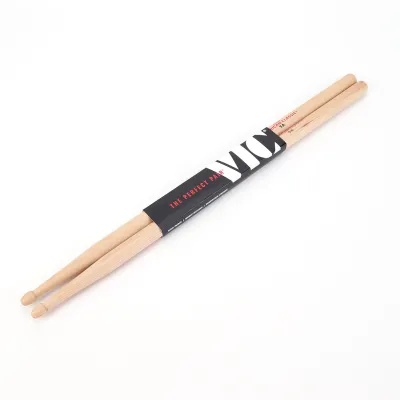
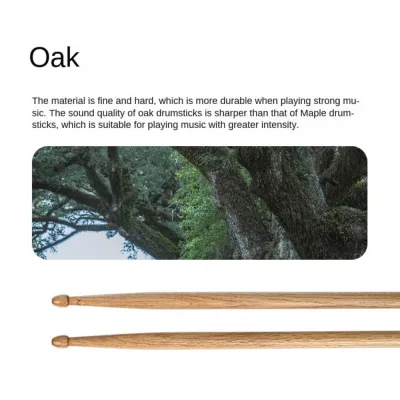
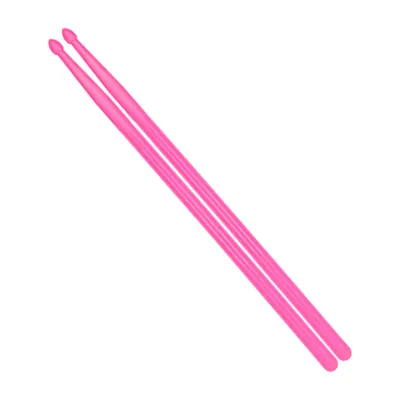
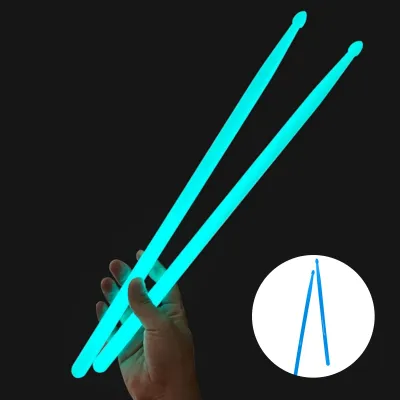
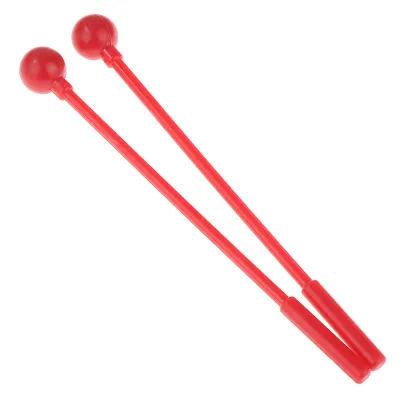
Prices are valid at publication and may change. Please refer to the product page for the latest price.
In this coding system, the number represents the diameter or thickness of the stick, and counterintuitively, a lower number means a thicker stick. For example, a 2B stick is significantly thicker and heavier than a 7A stick. The letter historically designated the intended musical setting: “A” stood for orchestra (designed for lighter, softer playing), “B” stood for band (concert and marching bands requiring more volume), and “S” stood for street (large, heavy sticks for marching drum corps). Today, these letters serve as general indicators of weight and taper rather than rigid rules.
For the vast majority of beginners, the 5A size is the universal starting point. With a diameter of approximately 0.565 inches and a length of 16 inches, the 5A sits perfectly in the middle of the spectrum. It is heavy enough to provide satisfying physical feedback and help build hand strength, yet light enough to prevent early fatigue during long practice sessions. This balance makes it highly versatile for practicing on acoustic drums, electronic kits, or rubber practice pads.
If you have smaller hands, are buying for a younger player, or plan to practice primarily in a quiet environment, a 7A stick is a highly suitable alternative. The 7A is thinner and lighter, which reduces the effort required to control the stick and minimizes the physical impact noise on practice pads. This is particularly useful for those practicing in high-density housing, such as HDB flats, where reducing ambient tapping noise is a priority. However, the lighter weight of a 7A provides less natural rebound, meaning your wrist muscles must work slightly harder to maintain momentum.
Conversely, if you have larger hands or want to focus on building wrist strength and endurance, a 5B or 2B stick might be appropriate. The 5B is slightly thicker than the 5A, offering a more substantial grip that can feel more secure if you find yourself gripping a 5A too tightly. The 2B is a very heavy, thick stick that is excellent for pad practice to build muscle memory, but it can feel cumbersome and overly loud when transitioned to a full drum kit. Starting with a 5A allows you to experience a neutral weight before deciding which direction to go.
Choosing the Right Wood Material for Durability and Feel
The type of wood used to manufacture a drumstick determines its density, weight, flexibility, and how well it absorbs the shock of each impact. Because beginners are still developing their striking technique and often hit pads or rims with inconsistent force, choosing a shock-absorbing and durable wood is crucial for protecting both the hands and the sticks themselves.

Hickory is the undisputed benchmark material for drumsticks and is highly recommended for beginners. It possesses an excellent balance of weight, density, and natural flexibility, which allows it to absorb the shock of hitting a drum or cymbal rather than transmitting that vibration directly into your wrists and elbows. This shock absorption is vital for preventing repetitive strain injuries as your muscles adapt to the physical demands of drumming. Hickory is also highly resilient, wearing down gradually through chipping rather than snapping suddenly.
Maple is a much lighter and less dense wood than hickory. A maple stick of the same physical dimensions as a hickory stick will feel significantly lighter in the hand. This characteristic allows players to use a thicker stick, such as a 5B, to achieve a comfortable grip without the added weight that usually comes with it. The trade-off is durability; maple is a softer wood that chips and splits much faster under heavy use, making it less economical for beginners who are still refining their striking angles.
Oak is at the opposite end of the spectrum, being incredibly dense, heavy, and rigid. Oak sticks, often made from Japanese white oak, are exceptionally durable and resist chipping and denting far better than hickory or maple. They also produce a very bright, powerful sound on cymbals. However, because oak is so rigid, it transmits almost all the impact vibration directly back into the player’s hands. For a beginner whose grip technique may still be tense, this lack of shock absorption can quickly lead to hand fatigue or joint discomfort.
While synthetic materials like carbon fiber or aluminum sticks exist, they are generally not recommended for those just starting out. These alternative materials are highly durable but have vastly different rebound characteristics and weights compared to natural wood. Learning on synthetic sticks can make it difficult to develop a natural feel for stick control, and their extreme rigidity can easily damage drumheads or cymbals if your striking technique is improper. Sticking to a high-quality wood like hickory ensures a traditional, safe, and educational playing experience.
How Tip Shape and Taper Affect Your Sound and Control
The tip of the drumstick is the only part that makes direct contact with your playing surface, making its shape a major factor in the tone and articulation you produce. Additionally, the taper—the sloping section of the stick that narrows from the main shaft down to the tip—dictates how the weight is distributed, directly affecting how the stick rebounds in your hand.
Teardrop tips are the most common and versatile option for beginners. The elongated, oval shape of a teardrop tip provides a medium-sized contact area that changes depending on the angle at which the stick strikes the surface. This variation allows for a wide range of tones, producing a warm, full sound on drums and a balanced, controlled wash on cymbals. Because of this broad contact area, teardrop tips are highly forgiving of minor inconsistencies in your striking angle.
Round or ball tips have a much smaller, concentrated contact area. They produce a very bright, crisp, and highly focused sound, particularly on cymbals, regardless of the angle of your strike. While this consistency is excellent for clean articulation, round tips offer less tonal variety and can sometimes feel less forgiving on practice pads. Other shapes, such as barrel tips (which offer a loud, punchy sound) and acorn tips (which provide a dark, rich tone), are excellent for specific musical genres but are less necessary for general technique development.
Beyond the tip, the length of the taper determines the balance point of the stick. A long taper shifts the center of gravity backward toward the butt end of the stick. This makes the stick feel lighter at the tip, offering a fast, nimble response with a highly active rebound. While this feels effortless for fast playing, it can make it harder for a beginner to feel the natural weight of the stick, which is essential for learning how to let the stick do the work.
A short taper shifts the weight forward toward the tip, making the stick feel front-heavy. This design provides more natural power and volume with less physical effort, which can be helpful for heavier music styles but can feel sluggish and difficult to control for a novice. A medium taper offers the ideal compromise for beginners, providing a predictable, balanced rebound that gives clear physical feedback to your hands as you practice your rudiments.
Practical Checks Before Buying Your First Pair
Even when buying from reputable brands, wood is a natural, organic material that can warp, vary in density, or contain hidden structural flaws. Before purchasing a pair of sticks from a local music store, performing a few quick physical checks will ensure you walk away with a straight, balanced, and durable pair that will support your learning.
The most critical test to perform is the “roll test” to check for warping. Place the drumstick on a completely flat surface, such as a glass display counter or a flat wooden table, and roll it gently with the palm of your hand. Watch the tip of the stick closely as it spins; if the tip wobbles, hops, or lifts off the surface, the stick is warped. A warped stick will rebound at unpredictable angles, which can severely hinder your ability to develop a consistent grip and striking technique.
Next, you should check for pitch and weight matching between the two sticks in the pair. Hold each stick lightly by the taper and tap them gently against each other near your ear, or tap them on a hard, identical surface. The pitch of the tone produced should be very close; a significant difference in pitch indicates a difference in wood density, meaning one stick will feel heavier or respond differently than the other. While premium manufacturers pre-match their sticks by weight and pitch, budget or bulk-buy options often require you to match them manually.
Finally, conduct a thorough visual inspection of the wood grain. The grain lines should run straight and continuous from the butt end of the stick all the way to the tip. If the grain lines run diagonally across the shaft (known as grain runoff), the stick has a major structural weak point and is highly likely to split or snap along that diagonal line during your first few practice sessions. Avoid sticks with rough finishes, visible splinters, off-center tips, or unevenly cut shoulders, as these manufacturing defects will affect both comfort and durability.
Frequently Asked Questions (FAQ)
Should beginners use nylon or wood tips?
Wood tips are generally recommended for beginners because they produce a warm, natural, and traditional tone on both acoustic drums and cymbals. They also provide a more realistic feel when practicing on rubber pads. However, wood tips can chip or split over time, especially when striking cymbals at improper angles, which can ruin the stick’s response and potentially damage drumheads.
Nylon tips are virtually indestructible and offer a very bright, cutting, and consistent sound on cymbals. If you find yourself chipping wood tips frequently during your early practice sessions, or if you play primarily on an electronic drum kit where acoustic tone is simulated digitally, nylon tips are a highly practical and durable alternative. Just ensure the nylon tip is securely molded to the stick to prevent it from flying off during play.
How often should a beginner replace their drum sticks?
There is no set timeframe for replacing drumsticks, as lifespan depends entirely on how often you practice, your striking technique, and the surfaces you play on. Beginners should replace their sticks immediately if they show signs of structural failure, such as deep cracks along the shaft, a split shoulder, or a broken tip. Playing with a structurally compromised stick ruins the rebound, makes technique development difficult, and can easily tear drumheads or damage electronic pads.
Normal cosmetic wear, such as minor denting along the shaft or light shaving from hitting hi-hat cymbals, is completely normal and does not require immediate replacement. To maximize the lifespan of your sticks, focus on maintaining a relaxed grip and striking cymbals with a glancing blow rather than a direct, perpendicular hit. Keeping a spare pair of sticks in your bag ensures you can continue practicing without interruption when a stick eventually reaches the end of its usable life.

Community discussion
Share your experience or ask a question. Comments are reviewed before publication.