
A reliable beginner keyboard for children must balance playability, build quality, and educational value. Established musical instrument brands design entry-level keyboards with standard key sizes and realistic sound engines, helping young learners develop proper finger strength and pitch recognition from day one.
Avoid cheap, toy-like keyboards that lack touch sensitivity or use non-standard key widths. These sub-standard instruments can foster poor hand posture and incorrect finger habits that are difficult to correct later. Matching the instrument’s physical dimensions and features to your child’s age and learning goals ensures a smooth, encouraging start to their musical journey.
Essential Features to Look for in a Kids' Keyboard
Selecting the right keyboard requires understanding how specific technical features impact a child’s physical and musical development. The choices you make regarding key count, action, and physical setup will shape their early practice habits.
Products mentioned in this guide
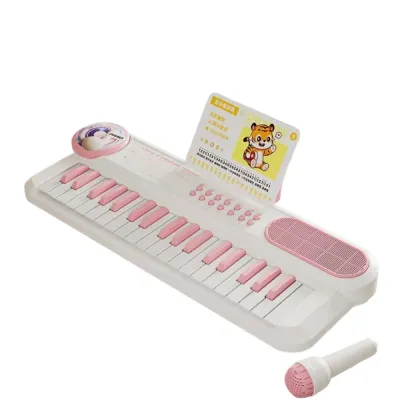

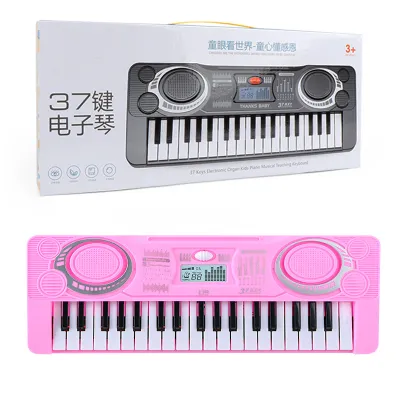
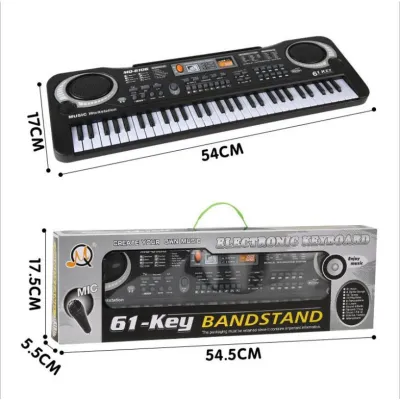
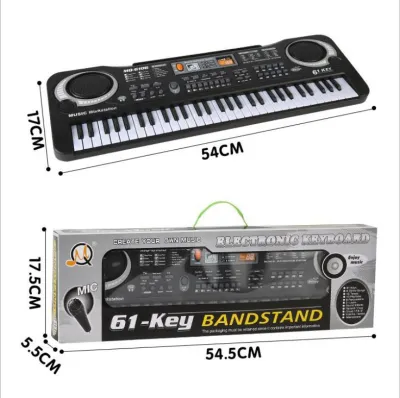
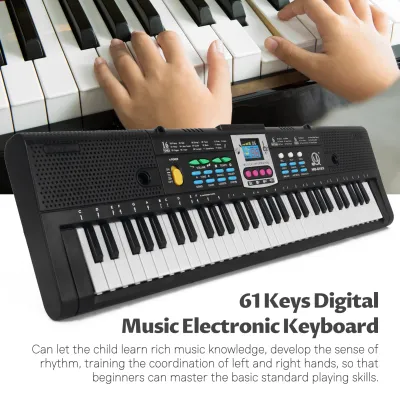
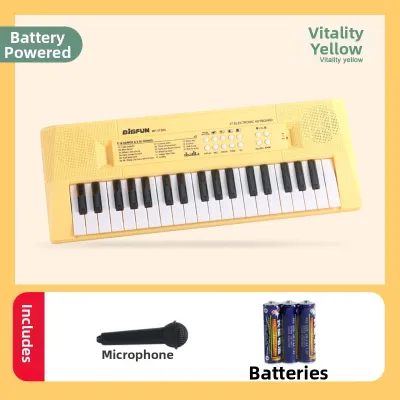
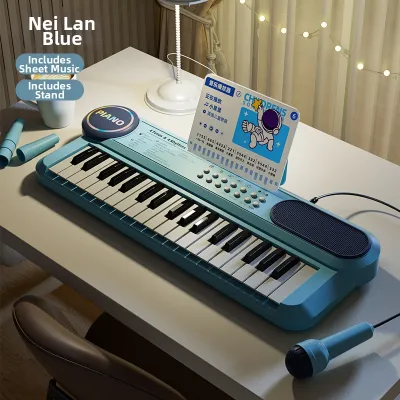
Prices are valid at publication and may change. Please refer to the product page for the latest price.
Key Count and Layout
Keyboards generally come in 61-key, 76-key, or 88-key configurations. For a young beginner, a 61-key keyboard is often the ideal starting point. It covers five full octaves, which is more than enough for the repertoire found in beginner method books.
This compact size is also highly practical for modern living spaces, such as apartments in Singapore, where dedicated floor space may be limited. A full 88-key keyboard replicates the complete range of an acoustic piano, which is necessary for classical exams but can feel physically overwhelming for a very young child.
Touch Sensitivity versus Weighted Action
Touch sensitivity, or velocity sensitivity, means the volume of the sound changes based on how hard the key is pressed. This feature is non-negotiable for learning musical expression and dynamics.
Fully weighted hammer action keys simulate the physical resistance of an acoustic piano’s hammers, which builds finger strength. For children under seven years old, a lighter touch-sensitive keyboard is often sufficient to prevent hand fatigue, whereas older children aiming for classical training should transition to weighted keys early on.
Built-In Learning Tools and Connectivity
Modern educational keyboards offer several built-in tools that make independent practice more engaging. A built-in metronome is essential for developing a steady sense of rhythm.
Headphone jacks are another crucial feature, allowing your child to practice quietly at any time of day without disturbing the household. Look for USB-MIDI ports, which allow the keyboard to connect to tablets or computers for interactive learning apps.
Physical Adjustments and Ergonomics
Children grow quickly, and a keyboard setup must adapt to their changing height to prevent physical strain. Standard tables are usually too high for a child, forcing them to raise their shoulders and bend their wrists awkwardly.
Investing in an adjustable keyboard stand and a matching adjustable bench is highly recommended. This allows you to position the keyboard at a height where the child’s forearms remain parallel to the floor, promoting relaxed shoulders and a natural hand arch.
How to Evaluate Keyboard Brands for Beginners
When shopping for a beginner keyboard, it is easy to get lost in marketing jargon. Evaluating brands based on verifiable specifications and local support will help you make an informed decision.

Analyzing Manufacturer Specifications
Rather than relying on vague brand promises, look directly at the technical specifications listed on manufacturer websites. Verify whether the model features “touch-responsive” or “velocity-sensitive” keys.
Check the polyphony count, which refers to the number of individual notes the keyboard can sound simultaneously. A minimum of 32-note polyphony is standard for beginners, though 48-note or 64-note polyphony offers a much richer sound when using sustain pedals.
Verifying Educational Software and Bundles
Many reputable brands partner with interactive piano learning platforms to offer complimentary trial subscriptions. Check the details of these bundles to see if they are compatible with your family’s existing devices.
Ensure that any included learning software supports the operating system of your tablet or computer. You should also verify what cables are required to connect the keyboard to your device, as these are not always included in the box.
Checking Local Warranty and Servicing
Singapore’s humid climate can affect electronic instruments over time, making local warranty support a vital consideration. Before purchasing, confirm that the brand has an authorized distributor or service center in Singapore.
Instruments purchased from unauthorized parallel importers may not be covered by local warranties, leaving you responsible for expensive shipping and repair costs if a key sensor or power port fails.
Reading Verified User Feedback
When researching user reviews, look for feedback from parents and music teachers who have used the instrument over several months. Focus on comments regarding the physical durability of the keys and the chassis.
Pay attention to mentions of key noise, as some entry-level keyboards can develop a loud clicking sound over time. Consistent praise for intuitive control menus and robust headphone jacks is a strong indicator of a child-friendly design.
Planning Your Budget and Choosing a Retailer
Establishing a clear budget and choosing the right purchasing channel will help you find a high-quality instrument without overspending.
Understanding Price Tiers
Beginner keyboards generally fall into three distinct price tiers, each offering different levels of functionality:
- Under S$200: These are basic, highly portable 61-key instruments. While budget-friendly, they often lack touch sensitivity and realistic piano tones, making them suitable only for testing a very young child's initial interest.
- S$200 to S$500: This is the sweet spot for most beginners. Keyboards in this range offer excellent touch sensitivity, high-quality sound engines, USB-MIDI connectivity, and robust educational features.
- Above S$500: This tier includes entry-level 88-key digital pianos with fully weighted keys. These instruments are designed to last through intermediate grades but require a larger financial and physical commitment.
Evaluating Starter Bundles
Many retailers offer starter packages that bundle the keyboard with essential accessories. A comprehensive bundle should include an adjustable stand, a padded bench, a power adapter, and a basic sustain pedal.
Purchasing these items as a package is usually more cost-effective than buying them individually. Ensure the included power adapter is certified for safety and matches the standard Type G plug used in Singapore.
Selecting Reliable Purchasing Channels
Buying from authorized local music stores or established online retailers ensures you receive an authentic product with a valid manufacturer’s warranty. Physical stores allow your child to sit at the instrument and try the keys before you make a decision.
If purchasing online, avoid unverified sellers on general ecommerce platforms. Stick to official brand storefronts or reputable local music retailers that offer clear return policies and secure delivery options.
Setting Up the Keyboard for Success
Once you have selected the right keyboard, creating a safe, comfortable, and inviting practice environment at home is the next step to supporting your child’s musical journey.
Ergonomic Alignment
Position the keyboard stand and bench so your child can sit with correct posture. Their feet should rest flat on the floor; if their legs are too short, place a small footstool beneath their feet to provide stability.
Adjust the bench height so their elbows are level with the keys, allowing their wrists to remain straight and relaxed. Encourage them to curve their fingers gently, as if they are holding a small ball, which prevents finger joint collapse.
Cable Management and Safety
Keep the practice area tidy and safe by managing power cords and cables carefully. Position the keyboard close to a wall outlet to avoid stretching cables across walkways.
Use cable ties to secure the power cord to the frame of the keyboard stand, preventing children or pets from tripping over loose wires. Ensure the stand is locked securely into its height setting and placed on a flat, non-slip surface.
Establishing a Positive Practice Routine
For young beginners, consistency is far more important than duration. Encourage short, daily practice sessions of ten to fifteen minutes rather than long, exhausting weekly blocks.
Place the keyboard in a quiet but central area of the home so practice feels like an integrated, positive part of the daily family routine. Celebrate small milestones, such as mastering a simple melody, to keep their motivation high.
Frequently Asked Questions (FAQ)
Do kids need weighted keys when starting out?
Young children do not strictly need fully weighted keys when they first begin. For absolute beginners aged four to six, lighter touch-sensitive keys are often easier to play and help prevent hand fatigue as their fine motor skills develop.
However, as soon as a child begins formal piano lessons or shows a sustained interest in learning, transitioning to weighted keys is highly recommended. Weighted keys build the finger strength and control necessary to play acoustic pianos.
Is a 61-key keyboard enough for a beginner child?
Yes, a 61-key keyboard is perfectly adequate for the first one to two years of learning. Most beginner method books and introductory pieces stay within a three-to-four-octave range centered around middle C.
A 61-key instrument is also highly portable and fits easily into smaller rooms. You will only need to upgrade to a full 88-key instrument once your child begins learning classical repertoire that utilizes the extreme high and low registers.
Should I buy a keyboard or a digital piano for my child?
Portable keyboards are lightweight, budget-friendly, and offer a wide variety of instrument sounds and rhythms that can keep young children entertained. They are excellent for testing a child’s initial interest without a large financial commitment.
Digital pianos focus on replicating the exact touch, feel, and sound of an acoustic piano, often featuring weighted keys and fixed wooden cabinets. If your child is committed to taking formal classical piano lessons, a digital piano is the better long-term investment.

Community discussion
Share your experience or ask a question. Comments are reviewed before publication.