
Starting your Korean language journey through self-study is an exciting venture, but the sheer volume of available resources can make the initial step overwhelming. To find the best Korean language book as an absolute beginner, you must look for structured materials that introduce the alphabet systematically, offer clear English explanations of grammar, and provide native audio support. The ideal book acts as a patient, offline tutor, guiding you from zero knowledge to basic conversational confidence.
Choosing the right book depends heavily on your personal learning style, your ultimate goals, and how much time you can dedicate to practice. By evaluating the structural design, multimedia integration, and practical layout of different textbook series, you can select a resource that keeps you motivated and ensures steady progress.
Identify Your Self-Study Goals and Learning Preferences
Before purchasing any study material, clarify what you hope to achieve with your Korean studies. A learner preparing for a short holiday in Seoul requires a vastly different resource than someone aiming to pass the Test of Proficiency in Korean (TOPIK) for academic or career advancement. If your primary goal is casual travel or understanding Korean pop culture, look for books that prioritize practical conversational phrases, everyday vocabulary, and cultural context over dense grammatical rules.
Products mentioned in this guide
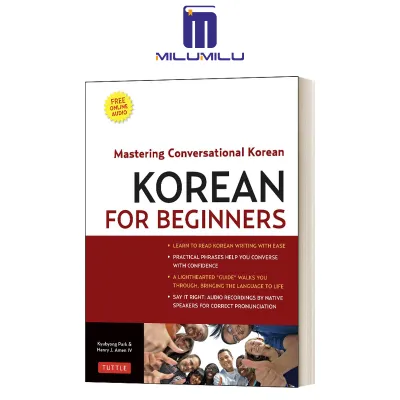
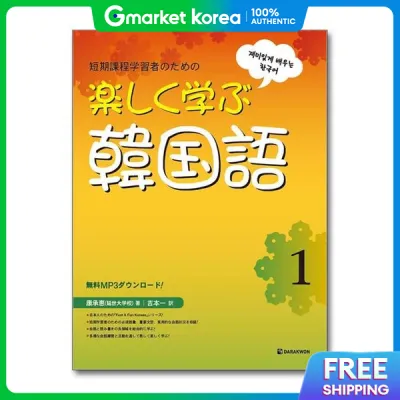
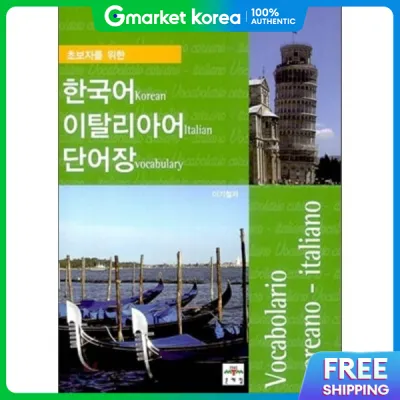
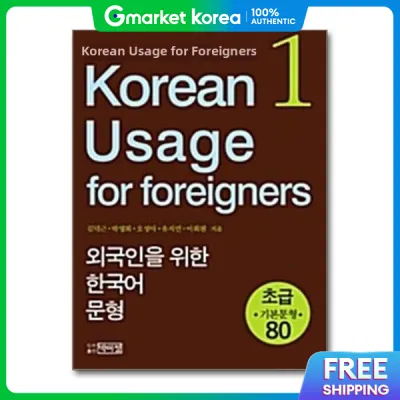
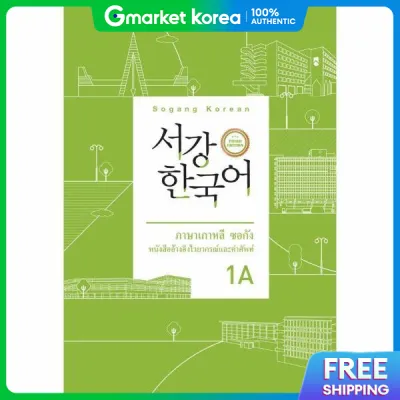
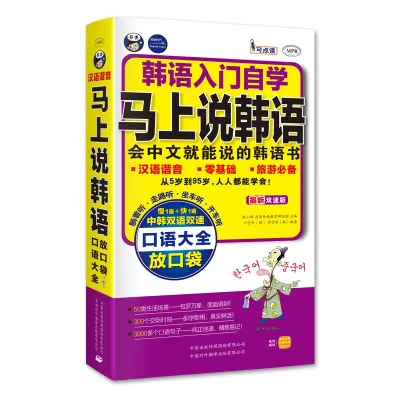
Prices are valid at publication and may change. Please refer to the product page for the latest price.
Conversely, if you seek formal proficiency, you will need a highly structured, grammar-heavy curriculum. These academic textbooks systematically introduce sentence patterns, particles, and verb conjugations in a logical progression. Identifying this goal early prevents the frustration of using a book that is either too superficial for serious study or too dry for casual interest.
Your personal learning preference also dictates the type of book that will keep you engaged. Visual learners benefit from books featuring colorful illustrations, diagrams, and clear layouts that break up dense text blocks. If you learn best through analytical explanations, you will prefer books that offer detailed linguistic breakdowns of Korean sentence structures and honorific systems.
Finally, assess your realistic time commitment. Self-study requires immense discipline, and choosing a book with massive, multi-hour chapters can quickly lead to burnout. If you only have fifteen to thirty minutes a day, look for modular books designed with bite-sized lessons that can be completed in single, short sessions.
Evaluate Essential Features for Independent Learners
An effective self-study book must compensate for the absence of a classroom teacher. The first critical feature to evaluate is the introduction to Hangul, the Korean writing system. Avoid books that rely indefinitely on romanization—the representation of Korean sounds using the English alphabet. Romanization can lead to poor pronunciation habits and slow down your reading development. Instead, look for a book that dedicates its opening chapters to a comprehensive Hangul guide, complete with stroke order diagrams, syllable block construction rules, and clear explanations of batchim (final consonants).

Audio support is another non-negotiable element for independent learners. Korean features unique phonetic rules, such as sound assimilation and liaison, which are difficult to master through text alone. Ensure the book provides access to high-quality, native-speaker audio tracks. Modern publications typically offer these files via downloadable MP3s, dedicated smartphone applications, or QR codes printed directly on the pages. This allows you to practice active listening and shadowing exercises wherever you study.
Clear, English-language grammar explanations are vital for absolute beginners. Korean grammar differs significantly from English, utilizing a Subject-Object-Verb (SOV) sentence structure and a complex system of particles and honorifics. The book you choose should explain these concepts simply, using relatable examples and contrasting them with English structures where helpful. Avoid books that introduce advanced grammatical concepts too early without establishing a solid foundation in basic sentence building.
Lastly, a self-study book must include comprehensive answer keys and audio transcripts. Without a teacher to grade your work, you must be able to self-correct your exercises. Look for books that place detailed answer keys at the back, preferably with explanations for complex questions. If the book includes listening comprehension exercises, verify that full written transcripts of the audio tracks are provided so you can identify words you might have missed.
Compare Textbook Series, Workbooks, and Supplementary Formats
When browsing for a Korean language book, you will encounter various formats, ranging from multi-volume university curricula to single-volume integrated self-study guides. Understanding how these formats differ will help you build a balanced study toolkit.
University-style textbook series are highly structured and academically rigorous. They are often designed for classroom use, meaning they progress systematically and cover reading, writing, listening, and speaking in depth. However, because they are intended to be paired with a teacher’s instruction, some of these series can feel slightly dry or lack detailed English explanations in the main textbook. Integrated self-study guides, on the other hand, are written specifically for solo learners. They tend to feature more conversational explanations, practical tips, and self-assessment tools, though they may not go as deep into formal grammar rules as university texts.
To reinforce what you learn, pairing a core textbook with a dedicated workbook is highly recommended. Workbooks provide the repetitive practice necessary to commit vocabulary and grammar structures to long-term memory. They offer writing grids for Hangul practice, fill-in-the-blank vocabulary drills, and sentence translation exercises.
The following table outlines the primary differences between these book formats to help you decide how to allocate your study budget:
| Book Format | Primary Focus | Self-Study Suitability | Required Supplementary Materials |
|---|---|---|---|
| Core Textbooks | Grammar theory, vocabulary introduction, reading comprehension | Moderate (best paired with audio and workbooks) | Audio files, separate workbook |
| Dedicated Workbooks | Writing practice, grammar reinforcement, vocabulary drills | High (essential for active practice) | Accompanying core textbook |
| Integrated Guides | Practical conversation, basic grammar, cultural notes | Very High (designed specifically for solo learners) | Often self-contained, but audio is still required |
| Graded Readers | Reading fluency, vocabulary expansion through context | High (excellent for supplementary practice) | Dictionary or vocabulary list |
You should also weigh the benefits of physical books against digital e-books. While digital formats offer portability and searchable text, physical books are generally superior for language learning. Writing out Korean characters by hand is crucial for developing muscle memory and mastering stroke order. If you choose digital textbooks, consider pairing them with a physical notebook or a tablet with a stylus to ensure you are actively writing rather than just reading.
Verify Editions, Compatibility, and Purchasing Details
Before finalizing your purchase, take time to verify the specific edition and technical compatibility of the book. The Korean language, like any living language, evolves, and older textbooks may use outdated spelling conventions or romanization systems. Ensure the book you select aligns with the Revised Romanization of Korean, which has been the official standard since 2000. Using books with outdated systems can cause confusion if you transition to newer materials later.
Multimedia compatibility is another practical consideration. Some older textbooks still package their audio tracks on physical CDs. If your laptop or home computer lacks a CD drive, accessing these files can be a major hassle. Check the publisher’s description to confirm that the audio is available via modern digital channels, such as a companion app, direct cloud downloads, or streaming platforms. Ensure these apps are compatible with your specific smartphone operating system.
When purchasing your books in Singapore, buy from established local bookstores, official publisher websites, or reputable online marketplaces. Be cautious of unusually cheap listings on generic ecommerce platforms, as these are often unauthorized, low-quality photocopies. Pirated books frequently suffer from blurry text, missing pages, or broken QR codes that prevent you from accessing the essential audio files.
Budgeting is also an important factor. A single-volume integrated self-study guide typically costs between S$30 and S$50, making it a highly cost-effective entry point. In contrast, a complete university-style set—which often requires purchasing a textbook, a workbook, and sometimes a separate grammar guide—can easily exceed S$100. If you are testing the waters, start with a single, comprehensive beginner book before investing in an expensive multi-volume series.
Structure a Sustainable Self-Study Routine
Acquiring a high-quality Korean language book is only the first step; the real progress comes from how you integrate it into your daily life. To build a sustainable routine, establish a consistent pacing guideline. Rather than trying to cram an entire chapter into a single weekend session, break the material down into daily fifteen-to-thirty-minute modules. For example, dedicate Monday to learning new vocabulary, Tuesday to studying the grammar explanations, Wednesday to completing workbook exercises, and Thursday to listening and speaking practice with the audio tracks.
Incorporate active recall techniques to ensure the information sticks. Instead of simply re-reading chapters, test yourself regularly. Cover the English translations in your vocabulary lists and try to write the Korean equivalents from memory. Use flashcards—either physical ones you write yourself or digital spaced-repetition apps—to review vocabulary and grammar points on the go.
Track your progress systematically by completing the end-of-chapter quizzes and self-assessments included in your book. Do not rush to the next chapter until you can comfortably score highly on these reviews. If you struggle with a particular concept, pause and review the previous pages rather than compounding your confusion in later chapters.
Finally, recognize when it is time to upgrade your learning materials. Once you have completed your beginner book and can comfortably read Hangul, construct basic sentences, and understand simple spoken dialogues, you are ready to transition to intermediate textbooks. At this stage, you should also begin supplementing your book-based study with external media, such as simple Korean podcasts, graded readers, and children’s stories, to apply your skills in real-world contexts.
Frequently Asked Questions (FAQ)
Do I need to learn Hangul before starting a beginner Korean language book?
While it is highly beneficial to have some familiarity with Hangul, you do not need to master it completely before purchasing a beginner book. Most high-quality Korean language books designed for absolute beginners dedicate their opening chapters specifically to teaching the alphabet. These sections guide you through stroke orders, vowel-consonant combinations, and pronunciation rules. However, you should aim to transition away from English romanization as quickly as possible. Relying on romanization past the first few weeks will hinder your pronunciation accuracy and make it much harder to read actual Korean text as you progress.
Can I achieve fluency using only a textbook without a tutor or language partner?
A textbook is an exceptional tool for building a rock-solid foundation in Korean grammar, vocabulary, reading, and writing. However, achieving true conversational fluency using only a book is highly challenging. Textbooks teach structured, formal language, but they cannot replicate the spontaneous, fast-paced nature of real-life conversations. To bridge this gap, use your book to master the core mechanics of the language, and then supplement your study with interactive tools. Once you have a basic grasp of grammar, seek out language exchange partners, online conversation groups, or tutoring services to practice speaking and listening in real time.

Community discussion
Share your experience or ask a question. Comments are reviewed before publication.