
Selecting the ideal Korean textbook requires an honest evaluation of your active language skills and a clear understanding of your personal learning objectives. While many learners are drawn to materials based on popular culture or attractive cover designs, the most effective book is one that matches your current proficiency level and aligns with your study habits. A textbook that is too advanced can quickly lead to frustration, while one that is too simple may stall your progress and lead to boredom.
To make a successful purchase, you must look beyond the marketing claims and examine how a book structures its lessons, explains grammar, and supports independent practice. Whether you are studying independently at home in Singapore or preparing for formal language classes, choosing the right resource involves checking specific features such as audio accessibility, translation support, and the presence of comprehensive answer keys. By taking a systematic approach to your selection, you can find a textbook that serves as a reliable roadmap for your language learning journey.
Assessing Your Current Korean Proficiency Level
Before browsing online marketplaces or visiting local bookstores, you must accurately determine your starting point. Many self-taught learners confuse passive familiarity with active language proficiency. For instance, being able to recognize and read the Hangul alphabet does not mean you are ready for intermediate grammar. Reading characters aloud is a mechanical skill, whereas understanding sentence structures, particles, and verb conjugations requires a completely different level of cognitive processing.
Products mentioned in this guide
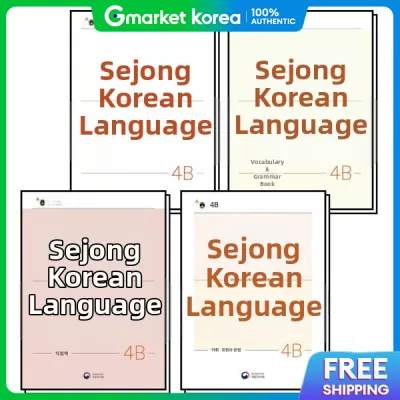
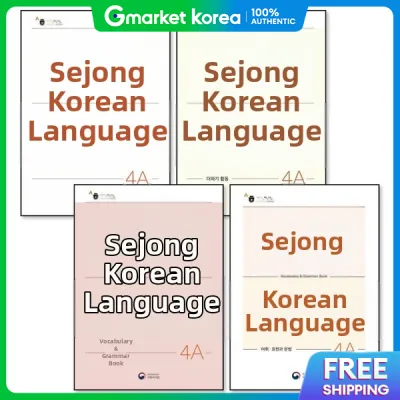
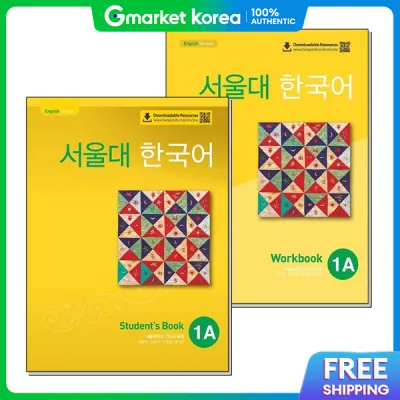

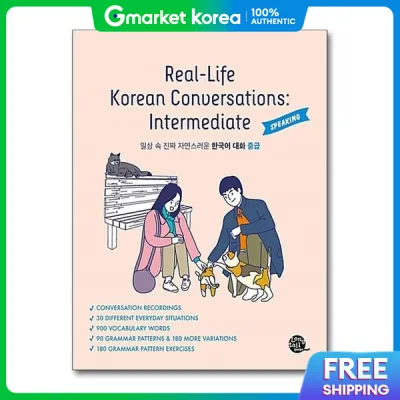
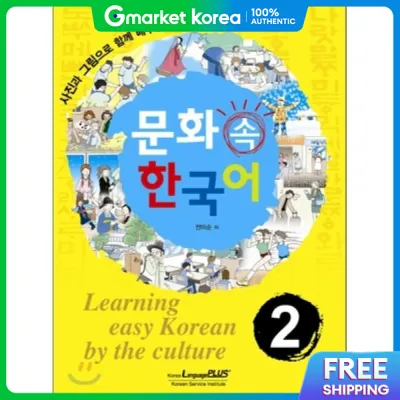
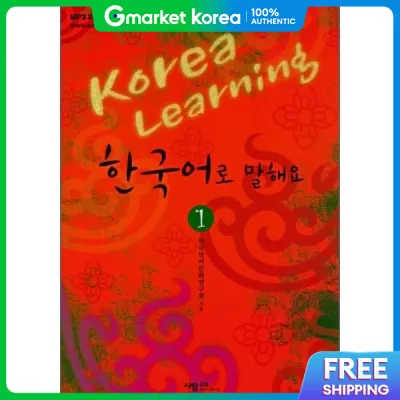
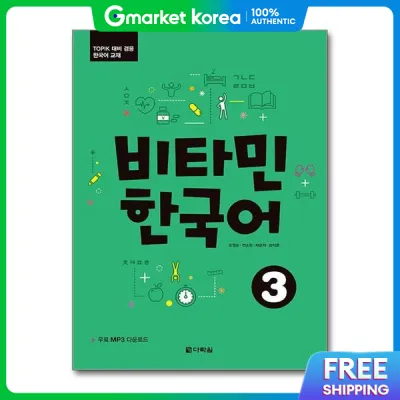
Prices are valid at publication and may change. Please refer to the product page for the latest price.
Passive listening comprehension can also distort your self-assessment. Spending hundreds of hours watching Korean dramas or listening to music often helps you recognize common phrases and vocabulary words. However, this passive exposure does not translate directly into the ability to construct original sentences or hold a spontaneous conversation. If you cannot reliably produce the language on your own, you should start with foundational materials rather than intermediate ones.
To establish an objective baseline, refer to standardized frameworks like the Test of Proficiency in Korean, commonly known as TOPIK, or the Common European Framework of Reference for Languages, or CEFR. TOPIK I, which covers levels one and two, focuses on basic survival skills, simple everyday conversations, and fundamental grammar. TOPIK II, which spans levels three to six, transitions into intermediate and advanced domains, requiring academic reading, professional communication, and complex writing skills.
If you plan to take formal classes at a language school in Singapore, you will find that their curricula are aligned with these standardized levels. Many institutions offer free online placement tests or diagnostic quizzes on their websites. Taking one of these assessments, even if you intend to study independently, provides a realistic view of your current capabilities and prevents you from purchasing a book that is too advanced.
What to Look for in a Korean Textbook by Level
As you progress from a complete beginner to an advanced speaker, your learning needs will shift dramatically. The structure, language of instruction, and exercise types in your textbook must evolve to match these changing requirements.

Absolute Beginner to Beginner
For those starting from scratch, the primary focus of a beginner textbook must be the absolute mastery of Hangul, the Korean alphabet. Avoid any resource that relies heavily on romanization beyond the first chapter. Romanization—representing Korean sounds with English letters—can severely hinder your pronunciation and spelling accuracy in the long run. A high-quality beginner book will dedicate its opening pages to stroke order, phonetic rules, and pronunciation guides, encouraging you to read the native script immediately.
At this stage, clear grammar explanations in your native language are absolutely essential. Trying to learn basic sentence structures, subject-object-verb word order, and essential topic particles using explanations written entirely in Korean is incredibly difficult and often counterproductive. Look for textbooks that explain these foreign concepts in clear, accessible English, accompanied by simple, practical examples. The vocabulary introduced should focus on high-frequency survival words, such as greetings, ordering food, and asking for directions.
Another critical feature to verify is the integration of high-quality audio resources. Korean has unique pronunciation rules, such as consonant assimilation and liaison, which can be difficult to grasp from written text alone. Your beginner textbook must provide easy access to native-speaker audio recordings for dialogues, vocabulary lists, and pronunciation drills. This ensures you develop correct listening habits and speaking confidence from day one.
Intermediate
Once you have mastered basic survival Korean and can comfortably hold simple conversations, you enter the intermediate phase. At this level, your textbook should begin to phase out English explanations. Transitioning to materials written primarily or entirely in Korean is crucial for building reading endurance and fostering an immersive learning environment. While this transition can feel challenging at first, it forces you to think in the target language rather than constantly translating back and forth.
Intermediate textbooks should focus heavily on complex grammar structures, indirect speech, and nuanced vocabulary. Instead of isolated sentences, look for books that present new language points within longer, cohesive reading passages. These passages should cover a wider variety of topics, such as social issues, cultural traditions, and daily life in Korea. Engaging with longer texts helps you understand how different grammar points connect and how vocabulary is used naturally in context.
Writing and listening comprehension tasks must also become more sophisticated. Your textbook should include structured writing prompts that guide you through composing short essays, letters, and opinion pieces. Listening exercises should feature natural speaking speeds, multiple speakers, and varied background settings. Ensure the textbook provides full transcripts of these audio tracks in the back of the book, allowing you to review unfamiliar words and phrases after listening.
Advanced and Specialized Goals
At the advanced level, general-purpose textbooks often become less effective. Learners at this stage usually have highly specific goals, such as passing the high-level TOPIK II exam, working in a professional Korean-speaking environment, or pursuing academic studies. Your choice of textbook should reflect these specialized objectives. For example, if your goal is professional advancement, look for books dedicated specifically to business Korean, which cover formal email etiquette, presentation vocabulary, and workplace culture.
Advanced textbooks should place a strong emphasis on idiomatic expressions, proverbs, Hanja, which are Sino-Korean characters, and highly formal syntax. Understanding Hanja is particularly beneficial at this stage, as it unlocks the meanings of thousands of advanced vocabulary words related to politics, economics, and science. Look for resources that break down these complex words into their root characters, making it easier to deduce the meaning of unfamiliar terms when reading.
The reading passages in advanced books should consist of authentic, unedited texts rather than simplified dialogues written for language learners. You should expect to encounter editorials, literary excerpts, historical essays, and scientific reports. These texts will challenge your comprehension and expose you to diverse writing styles and advanced rhetorical devices. Supplement your textbook study with authentic media, such as daily news articles from Korean media outlets, to bridge the gap between academic study and natural fluency.
Matching Textbook Features to Your Learning Style
Your learning style and study environment play a massive role in determining which textbook will be the most effective for you. If you are studying independently without the guidance of a teacher, the self-study suitability of a book is paramount. Many textbooks designed for classroom use do not include answer keys in the main volume, requiring you to purchase a separate teacher’s manual or workbook to check your answers. Always verify that a textbook contains a comprehensive, detailed answer key before buying.
A good self-study textbook should also feature a robust grammar index and glossary at the back. When you encounter an unfamiliar particle or verb ending during your reading, you need to be able to look it up quickly and find the exact page where it is explained. Self-check quizzes at the end of each chapter are another valuable feature, allowing you to assess your understanding of the material before moving forward.
You must also align the textbook’s pedagogical focus with your primary language goals. If your main objective is to speak conversational Korean fluently for travel or socializing, look for dialogue-heavy textbooks. These books prioritize colloquial expressions, everyday scenarios, and speaking drills. Conversely, if you are studying for academic research or professional translation, text-heavy books that focus on formal grammar, reading comprehension, and writing composition will be far more beneficial.
Finally, consider your physical and digital format preferences. Physical textbooks are excellent for active study; they allow you to write translations directly in the margins, highlight key grammar points, and easily flip back and forth between chapters. However, if you prefer studying on the go, digital editions or textbooks with companion mobile apps might be a better fit. When choosing a digital format, ensure that the platform supports easy navigation and that the audio files are integrated directly into the e-book interface.
Pre-Purchase Checklist for Korean Language Books
Before finalizing your purchase, running through a quick checklist can save you from buying an incompatible or outdated resource. First, verify the publication year and edition of the textbook. Language standards, spelling rules, and standardized exam formats change over time. For example, the TOPIK exam underwent a major restructuring in recent years, and using an outdated preparation book can result in studying obsolete question formats. Ensure the book you choose aligns with the current standards.
Second, double-check the language of instruction. Many popular Korean textbook series are published in multiple language editions, including English, Chinese, Japanese, and Spanish. Make sure you are purchasing the correct version for your native or preferred language. Additionally, check whether the book is a ‘student book’ or a ‘workbook,’ as these are often sold separately and are designed to be used together.
Third, confirm how the audio materials are accessed. Some older editions of textbooks still package audio files on physical CDs. If your laptop or computer does not have a CD drive, accessing these files will be highly inconvenient. Look for newer editions that provide audio via QR codes, direct MP3 downloads, or official streaming platforms. Having easy access to these audio files on your phone or tablet makes daily listening practice much more manageable.
Fourth, if you are buying a physical copy, pay attention to the binding and paper quality. Language textbooks undergo heavy use, constant flipping, and extensive writing. Books with lay-flat binding are much easier to study with, as they stay open on your desk without requiring you to hold the pages down. Furthermore, high-quality, thick paper is essential if you plan to use highlighters or ink pens, as thin paper will allow ink to bleed through and ruin the text on the reverse side.
Frequently Asked Questions (FAQ)
Do I need to buy a separate grammar book alongside my main textbook?
For most learners, a well-structured main textbook provides sufficient grammar coverage for general progression. These books are designed to introduce grammar points in a logical, step-by-step order, pairing them with relevant vocabulary and reading exercises. However, if you are preparing for an intensive exam like the TOPIK or find yourself struggling with complex grammatical nuances, a dedicated grammar reference book can be an invaluable supplement. These specialized books offer deeper explanations, compare similar-looking grammar patterns, and provide additional practice exercises that general textbooks may omit.
Are university-published Korean textbooks better for self-study?
University-published textbooks, such as those from major academic institutions in Seoul, are highly structured, academically rigorous, and excellent for comprehensive learning. However, because they are primarily designed for classroom use, they can sometimes feel dry or overwhelming for independent learners. They also frequently require you to purchase separate workbooks and answer keys. In contrast, commercial self-study books are often more visually engaging, offer practical everyday dialogues, and include integrated answer keys and explanations tailored specifically for solo learners. If you choose a university press book for self-study, ensure you also purchase the accompanying self-study guide or workbook with an answer key.

Community discussion
Share your experience or ask a question. Comments are reviewed before publication.