
Choosing the right piano floor mat involves matching your instrument’s weight and your home’s flooring with a material that distributes load, prevents slipping, and dampens sound. Whether you are setting up a heavy acoustic upright or a portable digital keyboard, the right mat protects your floor from permanent damage and improves your playing experience. By understanding the specific needs of your setup, you can make an informed decision that preserves both your instrument and your living space.
Why Your Piano and Floors Need a Dedicated Mat
Pianos are exceptionally heavy instruments that exert immense pressure on very small areas. An acoustic upright piano can easily weigh between 180 and 400 kilograms, with that entire mass concentrated onto four small metal casters. Even lighter digital pianos with wooden console stands can exert significant localized force. On delicate surfaces like hardwood, engineered timber, or ceramic tiles, this concentrated weight can cause deep scratches, permanent indentations, or even structural cracks over time.
Beyond protecting your flooring from physical damage, a dedicated mat is essential for maintaining playing stability. When you press the sustain pedal during practice, any slight shifting of the piano or the pedal unit can disrupt your focus and cause micro-scratches on the floor. A high-quality mat provides a high-friction surface that keeps the instrument, bench, and pedals firmly in place, allowing you to play with confidence.
Products mentioned in this guide
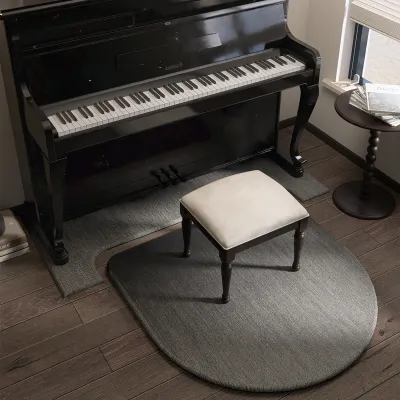
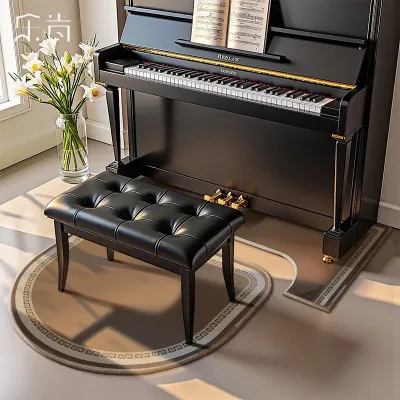
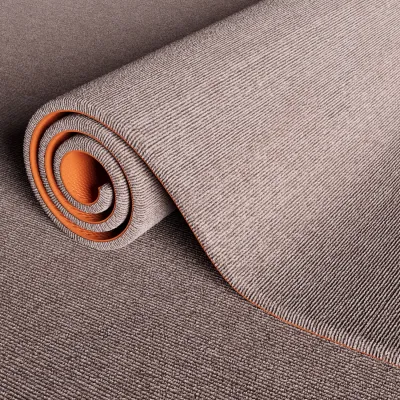
Prices are valid at publication and may change. Please refer to the product page for the latest price.
In multi-story residential buildings, such as apartments and HDB flats in Singapore, acoustic energy travels easily through building structures. The physical impact of keys striking the keybed and the vibration of the soundboard or speakers can resonate directly into the concrete slab, creating low-frequency noise that disturbs neighbors below. A specialized piano floor mat acts as an acoustic decoupler, absorbing these structural vibrations before they can transfer into the building’s framework.
Core Decision Factors for Your Setup
Selecting the ideal mat requires evaluating a few key variables: your specific floor material, the total weight of your piano setup, the design of the casters or stand, and your budget. Beginners often overlook how these factors interact, leading to mats that either buckle under pressure or fail to protect the floor. By analyzing these elements beforehand, you can narrow down your options to a solution that fits your home perfectly.

Before purchasing any floor protection, always consult your piano manufacturer’s manual. The documentation typically provides the exact footprint dimensions and the total weight of the instrument. This information is essential for calculating the load distribution and ensuring the mat you select is large enough to accommodate the entire setup safely, including the bench and pedal unit if necessary.
Matching the Mat to Your Floor Surface
Hardwood and laminate: These surfaces are highly susceptible to scratching and chemical discoloration. When choosing a mat for hardwood, look for non-scratching backings made of soft felt or natural fibers. Avoid cheap plasticizers or low-grade rubber backings that can react chemically with polyurethane floor finishes, leaving permanent yellow stains. The mat must also be thick enough to distribute the heavy load across a wider surface area.
Tile and stone: While tile is highly durable, it is prone to cracking under concentrated, uneven pressure, especially if a piano caster rests directly over a grout line. For these surfaces, prioritize puncture-resistant mats with a semi-rigid core that bridges grout lines and distributes weight evenly. The backing should also offer excellent grip to prevent the mat from sliding on smooth, polished stone.
Carpeted floors: Placing a heavy piano on a plush carpet can cause deep, permanent sinkage marks and make the instrument wobble. To prevent this, choose a rigid or semi-rigid mat that spreads the weight across the carpet fibers. A soft, flexible mat will simply sink along with the casters, offering little to no protection against fiber crushing or pedal instability.
Acoustic vs. Digital Piano Requirements
Acoustic pianos: Traditional upright and grand pianos require heavy-duty mats designed for extreme weight load capacity and long-term compression resistance. Because these instruments remain stationary for years, the mat material must not degrade, flatten, or bond with the floor over time. Look for industrial-grade materials specifically rated for heavy furniture or acoustic instruments.
Digital pianos and keyboards: Digital setups are significantly lighter and often require different design priorities. Portability, cable management, and aesthetic integration into smaller living spaces are key. A thinner, more flexible mat is often sufficient to prevent the stand from slipping and to dampen the mechanical thumping of the keys. Many digital piano mats also feature built-in channels or low-profile designs that help organize power and pedal cables neatly.
Comparing Common Piano Floor Mat Materials
To find the right balance of performance and aesthetics, it helps to compare the physical properties of common mat materials. The primary criteria to consider are durability under static load, surface grip, and texture. Each material offers distinct advantages depending on whether you prioritize sound dampening, ease of cleaning, or visual appeal.
Additionally, because these mats cover a significant surface area in your living space, verify material safety and off-gassing specifications. Look for product labels indicating low chemical emissions, such as OEKO-TEX or similar certifications, to ensure the mat does not release harmful volatile organic compounds (VOCs) into your home.
Heavy-Duty Vinyl and PVC Mats
Vinyl and PVC mats are popular for their exceptional durability and ease of cleaning. If you occasionally spill water while watering nearby plants or cleaning the room, these non-porous materials prevent moisture from reaching your floors. They are also highly resistant to tearing and can withstand the sharp edges of metal casters.
However, smooth vinyl mats can present slipping risks on highly polished hardwood or tile floors if the backing lacks adequate grip. It is essential to choose a vinyl mat with a textured underside or a specialized non-slip coating to ensure it remains anchored to the floor during energetic practice sessions.
Carpeted and Fabric-Top Mats
Fabric-surface mats offer a warm, traditional aesthetic that blends seamlessly with living room decor. They provide a comfortable, soft surface for bare feet, which is highly appreciated during long practice sessions at home. These mats also contribute slightly to room acoustics by absorbing high-frequency sound reflections.
The trade-off with fabric-top mats is their maintenance requirement. They accumulate dust, pet hair, and dirt more easily than smooth materials, requiring regular vacuuming. In the event of accidental spills, they must be treated promptly with appropriate fabric cleaners to prevent permanent staining and mold growth, especially in humid climates like Singapore’s.
Rubber and Anti-Vibration Pads
High-density rubber mats and specialized caster cups are highly effective for vibration control. The dense molecular structure of rubber is designed to absorb and isolate structural vibrations, preventing the mechanical noise of key strikes and pedal movements from traveling through the floorboards.
Despite their excellent acoustic performance, rubber mats require caution. Certain types of vulcanized or low-grade rubber can leach oils that react with porous floor finishes, such as natural stone or oil-finished wood, leaving dark, irreversible stains. Always verify that the rubber is rated as non-marking or use a protective felt barrier between the rubber and the floor.
Building Your Shortlist: Scenario-Based Recommendations
Scenario 1: Heavy acoustic upright on hardwood: If you are placing a traditional upright piano on a delicate hardwood floor, your primary goal is load distribution and floor finish protection. Look for a multi-layered mat featuring a dense, rigid core paired with a soft, non-marking felt or microfiber backing. This combination ensures the heavy weight is spread across a wide area while protecting the wood finish from scratches and chemical reactions.
Scenario 2: Digital piano on thick carpet: For a digital piano resting on plush carpeting, stability is your main concern. Choose a rigid polycarbonate or heavy-duty plastic mat with small carpet-gripping cleats on the underside. This design prevents the mat from shifting while providing a solid, level platform that stops the piano stand and pedals from sinking into the carpet pile.
Scenario 3: Compact keyboard in a shared apartment: If you live in a multi-story apartment or HDB flat and practice on a compact keyboard stand, prioritize vibration dampening and space efficiency. A slim, high-density rubber or closed-cell foam mat is ideal. It will effectively absorb the physical thumping of your key action, keeping your neighbors happy without taking up unnecessary space in a shared room.
Pre-purchase checklist: Before making a final decision, complete these essential verification steps:
- Measure the caster spread: Use a tape measure to find the exact distance between the outermost edges of your piano's feet or casters to ensure the mat is wide and deep enough.
- Verify floor warranty conditions: Check your flooring manufacturer's guidelines to see if certain mat materials (like PVC or rubber) void your floor's warranty.
- Check return policies: Confirm the return and exchange policies at your local music store or online marketplace, as shipping a heavy, bulky mat back can be costly if it does not fit your space.
Placement, Installation, and Maintenance
Installing your piano floor mat correctly is vital for both safety and effectiveness. Begin by thoroughly cleaning the floor area where the mat will lie; any trapped grit or dust under the mat can act like sandpaper under the heavy weight of a piano. Carefully measure the caster footprint and center the mat in your designated space before attempting to move the instrument. Never try to slide a heavy piano onto a mat, as this can tear the material or scratch the surrounding floor; instead, lift the piano carefully with assistance or use professional piano movers.
To maintain your mat and extend its lifespan, clean it regularly using gentle methods. For vinyl and rubber mats, a damp microfiber cloth with a mild, pH-neutral soap is usually sufficient. Avoid harsh chemical solvents, bleach, or abrasive scrubbing pads, which can degrade the protective coatings and weaken the material. For fabric mats, vacuum weekly and address spills immediately with a dry cloth and a mild carpet cleaner.
Over time, even high-quality mats will show signs of wear. Inspect your mat periodically for warning signs of failure, such as permanent, deep compression divots that do not bounce back, cracking along the edges, or a sticky residue on the underside. If you notice the backing beginning to degrade or crumble, replace the mat immediately to prevent the deteriorating material from bonding with and damaging your floor finish.
Frequently Asked Questions (FAQ)
Do I need a special mat if I rent my home?
Yes, protecting the floors is highly critical when renting to avoid losing your security deposit. Review your lease agreement carefully, as many landlords include specific clauses regarding floor protection and damage liability. When choosing a mat, look for products explicitly labeled as non-staining, non-marking, and safe for the specific floor type in your rental unit. Taking this precaution prevents costly floor repairs or refinishing fees when it is time to move out.
Can I use a standard office chair mat for my piano?
Using a standard office chair mat is generally not recommended for pianos. Office chair mats are designed to distribute the weight of a moving chair and a single person over a flexible surface. Pianos, however, exert a massive, concentrated, and completely static load on very small points. Under this intense, continuous pressure, standard plastic office mats are highly likely to crack, warp, or flatten completely, leaving your underlying floor vulnerable to damage.

Community discussion
Share your experience or ask a question. Comments are reviewed before publication.