
Selecting the right piano key dust cover for your beginner keyboard is a simple yet critical step in preserving your instrument’s longevity, playability, and resale value. While many beginners assume that any generic cloth will suffice, a properly fitted cover acts as a vital barrier against fine airborne particles, accidental spills, and environmental factors that can compromise sensitive electronic components. By matching the specific physical dimensions of your keyboard and the unique conditions of your practice space with the right material, you can ensure your instrument remains clean, responsive, and ready for daily practice.
To make an informed decision, you must look beyond the basic key count of your instrument. A standard 61-key, 76-key, or 88-key designation only tells part of the story, as chassis designs, control panels, and music rests vary significantly between manufacturers. Evaluating the material properties, structural designs, and practical features of different covers will help you find a solution that fits seamlessly into your home setup and daily routine.
Why Your Beginner Keyboard Needs a Dedicated Cover
A digital keyboard is a sophisticated piece of electronic equipment housed in a casing that contains numerous physical openings. Unlike acoustic pianos, which often have integrated wooden fallboards to protect the keys, digital keyboards leave their keybeds and control interfaces exposed to the surrounding environment. Over time, even a seemingly clean room accumulates fine dust particles that settle into the narrow gaps between the keys, eventually reaching the delicate contact pads underneath.
Products mentioned in this guide
![Gator GKC-1648 GKC-1540 Stretchable Dust Cover for Keyboard Digital Piano 61 73 76 88 Keys GKC1648 GKC1540 [LIMITED STOCK]](https://img.lazcdn.com/g/p/fe7c479bc8e890b88c93d333dd1e1239.jpg_400x400q80.jpg_.webp)

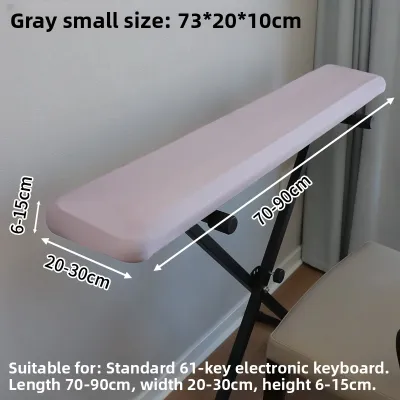
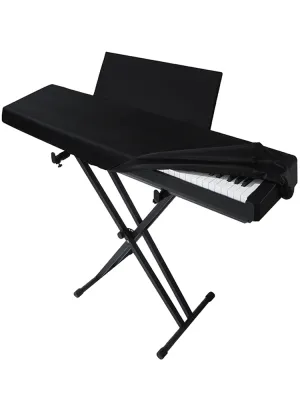
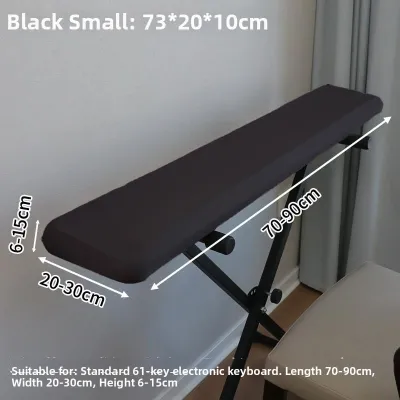

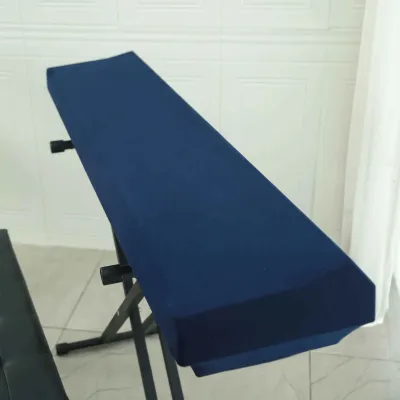

Prices are valid at publication and may change. Please refer to the product page for the latest price.
When dust mixes with the natural oils from your fingers or ambient humidity, it forms a gritty residue that can interfere with the digital sensors. This accumulation often leads to sticking keys, inconsistent velocity response, or notes that fail to sound entirely. Resolving these issues typically requires professional servicing or tedious disassembly, both of which can be costly and inconvenient for a beginner.
Beyond dust, household environments present several other hazards to an unprotected keyboard. Accidental liquid spills from a nearby drink can instantly short-circuit internal circuit boards, causing permanent electronic failure. Pet hair, dander, and lint can also migrate into the key mechanisms, exacerbating mechanical friction and wear.
Furthermore, prolonged exposure to direct sunlight through a window can cause the plastic chassis to fade, yellow, or become brittle over time. A dedicated, high-quality cover provides a reliable shield against these daily threats, ensuring that your investment remains in optimal working condition for years to come.
Step 1: Measure Your Keyboard Beyond the Key Count
When shopping for a piano key dust cover, relying solely on the number of keys on your instrument is a common pitfall that often results in an ill-fitting purchase. While keyboards are generally categorized into 61-key, 76-key, and 88-key configurations, these numbers only represent the width of the keybed itself, not the overall dimensions of the entire instrument. Different models feature varying bezel sizes, built-in speakers, control knobs, and side panels that can add several centimeters to the total width.

To find a cover that fits snugly without stretching to its absolute limit, you must take precise physical measurements of your keyboard using a standard measuring tape. Begin by measuring the maximum width from the outermost edge of the left side panel to the outermost edge of the right side panel. Next, measure the depth from the front edge of the keys to the very back of the chassis, taking care to account for any protruding knobs, sliders, or rear-facing connection ports.
Height is another crucial dimension that is frequently overlooked. Measure the vertical distance from the bottom of the keyboard chassis to the highest point on the top panel. If your keyboard features a built-in music rest that cannot be easily detached, or a raised control console, you must measure the height at this peak point to ensure the cover can drape over it without lifting off the keys at the sides.
If you prefer to keep your music stand attached at all times, look for specialized covers that feature a dedicated zippered slot or a flexible opening designed to accommodate the stand. Additionally, if you are using a full-enclosure cover that drapes down to the floor, you will need to measure the height of your keyboard stand and account for the footprint of your pedal setup and bench. Taking these comprehensive measurements ensures a clean, tailored fit that keeps dust out from all angles.
Step 2: Match the Cover Material to Your Environment
The material of your dust cover plays a significant role in how effectively it protects your keyboard and how easy it is to handle on a daily basis. Stretchy fabrics, such as spandex, lycra, or high-elastic polyester blends, are incredibly popular for home use. These materials offer a form-fitting, contoured look that conforms to the exact shape of your keyboard, minimizing excess fabric and providing a neat aesthetic. They are lightweight, easy to fold, and can be slipped on and off in a matter of seconds, making them ideal for students who practice multiple times a day.
For environments where spills, moisture, or heavy dust are primary concerns, woven synthetic fabrics like heavy-duty nylon or Oxford polyester are highly recommended. These materials often feature water-resistant coatings that prevent liquids from immediately seeping through to the electronics. Woven covers are exceptionally durable, resistant to tears from pet claws, and can be easily wiped clean with a damp cloth, making them a practical choice for busy households or shared spaces.
If your keyboard is frequently moved between locations, stored in a garage, or placed in a high-traffic area where physical impacts are likely, you should consider a padded or rigid cover. Padded gig bags and semi-rigid cases offer substantial cushioning against accidental bumps, drops, and scratches. While they are bulkier and take longer to open than simple fabric drapes, the added physical protection is indispensable for safeguarding your instrument during transport or long-term storage.
Regardless of the material you choose, always check the manufacturer’s care labels for specific maintenance instructions. Some stretchy fabrics may lose their elasticity if washed in hot water or dried on high heat, while water-resistant coatings on synthetic woven covers can degrade if exposed to harsh chemical detergents. Understanding these material constraints will help you maintain the cover’s protective qualities over its lifespan.
Step 3: Evaluate Practical Features for Daily Use
A dust cover is only effective if you actually use it consistently, which is why practical design features that facilitate daily use are so important. If a cover is tedious to remove and replace, you may find yourself leaving the keyboard exposed, defeating the purpose of the purchase. Look for design elements that streamline your workflow and integrate seamlessly with your practice habits.
One highly convenient feature is a split design or a zippered flap that allows you to access the keys without removing the entire cover. This is particularly useful for quick warm-ups or short practice sessions, as you can simply flip back the front portion of the cover to play and flip it down when you are finished. Some advanced covers also feature integrated cable pass-throughs, allowing you to keep your headphones, power adapters, and sustain pedals connected without bunching up the fabric.
To ensure the cover stays securely in place, look for models equipped with adjustable elastic hems, drawstrings, or locking buckles. These features allow you to tighten the cover around the underside of the keyboard, preventing it from slipping off if it is bumped by a pet or caught in a draft. Weighted corners are another excellent alternative, utilizing small, sewn-in weights to drape the fabric elegantly over the edges of the instrument without the need for tight straps.
Organization is another factor to consider. Some covers come with built-in storage pouches or attached bags that allow you to fold the cover into a compact bundle when not in use. This keeps your practice space tidy and prevents the cover from gathering dust on the floor while you are playing. By prioritizing these user-friendly features, you can protect your keyboard without adding friction to your musical routine.
Condition-Based Shortlist: Matching Cover Types to Your Setup
To help you narrow down your options, consider how your specific practice environment and lifestyle align with different cover categories. Choosing a cover that matches your daily reality ensures optimal protection and convenience.
If your keyboard is located in a high-traffic living room with active pets or young children, your primary focus should be on durability and secure fastening. A heavy-duty, washable woven nylon cover with an adjustable drawstring or locking straps is a suitable choice here. This setup prevents curious pets from clawing the keys, resists accidental spills from nearby drinks, and stays firmly anchored even if the keyboard stand is bumped.
For those practicing in a small bedroom or dedicated study with a strict daily playing routine, a lightweight, stretchy spandex or lycra cover is highly suitable. The form-fitting design keeps the setup looking neat and compact, while the high elasticity allows for effortless removal and replacement before and after each practice session.
If you frequently transport your keyboard to lessons, band rehearsals, or local performances, a simple dust drape will not suffice. In this scenario, prioritize a padded gig bag or a semi-rigid utility case. These options provide the necessary structural support and impact resistance required to protect the keys and internal electronics from the rigors of travel, while still serving as an excellent dust barrier when the instrument is resting at home.
Before finalizing any purchase, always verify the specific dimensions and compatibility notes provided on the product listing. Compare these specifications directly with the physical measurements you took in Step 1 to ensure a precise match for your unique keyboard model.
What to Verify Before Buying from Online Retailers
Purchasing a piano key dust cover from an online marketplace or ecommerce platform offers a wide selection, but it requires careful verification to avoid sizing errors and the hassle of returns. Start by cross-referencing the retailer’s stated internal dimensions of the cover with the physical measurements of your keyboard. Do not rely solely on generic compatibility claims like “fits most 61-key keyboards,” as chassis sizes vary widely; always allow for a slight margin of error of one to two centimeters to ensure the cover is not too tight.
Next, spend some time reading through user reviews on the product page. Look specifically for feedback from buyers who own the same keyboard model as you, as they can provide invaluable insights into how the cover fits in real-world scenarios. Pay close attention to any mentions of “excessive tightness,” “slipping off the corners,” or “significant shrinkage after the first wash,” which can indicate potential quality or sizing issues.
Finally, always check the retailer’s return and exchange policy before completing your checkout. Ensure that the seller offers hassle-free returns or size exchanges in case the cover does not fit your setup as expected. Verifying these details beforehand protects your purchase and ensures you receive a cover that provides reliable, long-lasting protection for your beginner keyboard.
Frequently Asked Questions (FAQ)
Can I use a generic 88-key cover on a 76-key keyboard?
While you can physically drape a larger 88-key cover over a smaller 76-key keyboard to achieve basic dust protection, it is generally not recommended for daily use. The excess fabric will bunch up at the ends, creating an untidy appearance and potentially slipping off the corners of the instrument. This loose fit can also allow dust to enter through the gaps created by the sagging material, compromising the cover’s effectiveness. For the most effective protection and a neat aesthetic, it is always advisable to choose a cover that matches your keyboard’s specific dimensions.
How often should I wash my keyboard dust cover?
The frequency of washing your keyboard dust cover depends on your environment, but a general guideline is to clean it every few months or whenever you notice visible dust buildup. To maintain the integrity of the material, always follow the manufacturer’s care labels strictly. For stretchy fabrics, hand washing in cool water or using a gentle machine cycle is best, as high heat and harsh detergents can degrade the elastic fibers over time. Woven synthetic covers can often be maintained simply by wiping them down with a damp cloth to remove surface dust and debris.

Community discussion
Share your experience or ask a question. Comments are reviewed before publication.