
Finding the right piano top cover for a beginner keyboard in Singapore requires balancing effective dust protection, moisture management, and cost. In a tropical climate where high humidity and fine dust are constant challenges, a dedicated cover is not just an aesthetic accessory but a vital safeguard for your instrument’s sensitive electronics. The ideal cover fits snugly without putting undue pressure on the keys, repels accidental spills, and allows the keyboard to breathe so that moisture does not get trapped inside the chassis. By focusing on material suitability, accurate measurements, and practical design features, you can easily find an affordable cover that extends the lifespan of your keyboard.
Many beginners overlook the importance of a cover, assuming that keeping the instrument indoors is protection enough. However, daily exposure to household dust, pet hair, and ambient moisture can quietly degrade your keyboard’s performance over time. Investing a small amount in a dedicated cover now can save you from expensive repairs or premature replacements in the future, allowing you to focus on your musical journey with peace of mind.
Why Your Beginner Keyboard Needs Dedicated Protection
Beginner electronic keyboards and digital pianos are highly sensitive electronic devices housed in plastic or lightweight composite casings. Unlike traditional acoustic pianos, which have heavy wooden fallboards to protect the keys, digital keyboards often leave their keybeds, buttons, sliders, and internal sensors completely exposed to the surrounding environment when not in use.
Products mentioned in this guide
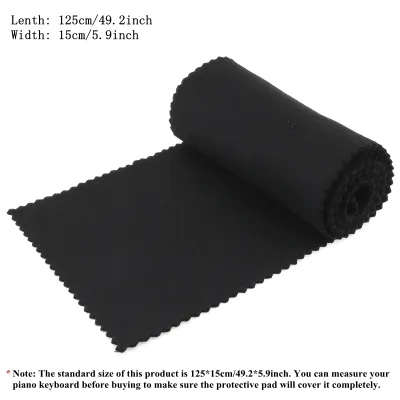
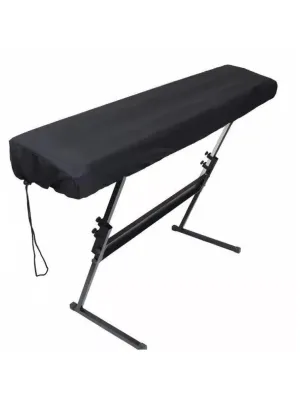
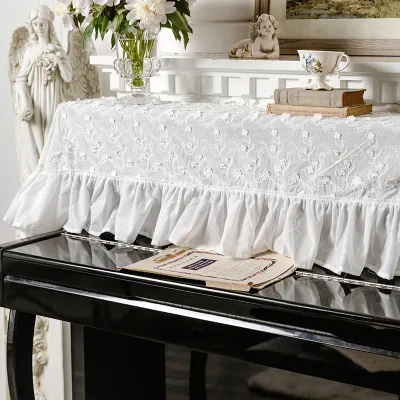
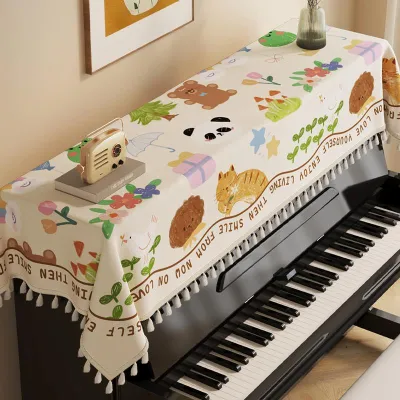
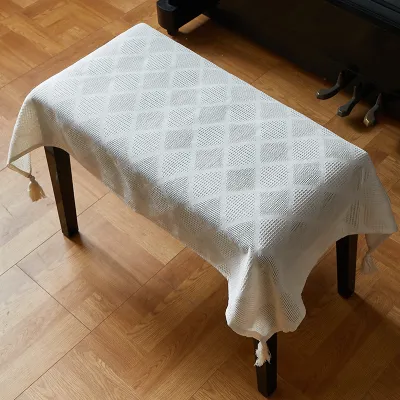
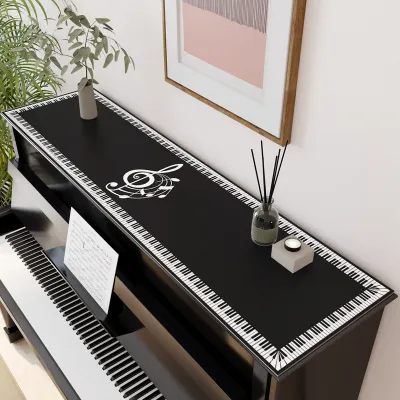
Prices are valid at publication and may change. Please refer to the product page for the latest price.
Dust is one of the most persistent threats to any electronic keyboard. Fine airborne particles easily settle into the narrow gaps between the keys, gradually migrating down into the key contacts and optical or rubber dome sensors. Over time, this accumulation can cause keys to become sticky, unresponsive, or trigger intermittent double-strikes, requiring costly professional cleaning or replacement of the contact strip.
In many Singapore households, keyboards are set up in multi-purpose spaces like living rooms or study areas where daily activities occur. This proximity increases the risk of accidental liquid spills from nearby drinks, cleaning sprays, or even open windows during sudden tropical downpours. A single spill can seep directly into the underlying circuit boards, causing immediate short circuits and permanent electrical damage.
Furthermore, the placement of a keyboard near a window exposes it to intense ultraviolet (UV) radiation and direct sunlight. Prolonged UV exposure can degrade the plastic casing, causing white keys to yellow prematurely and making the structural components brittle. A dedicated, opaque top cover acts as a physical barrier against these environmental hazards, preserving both the cosmetic appearance and the internal functionality of your instrument.
Essential Features for Adequate Protection on a Budget
When shopping for a budget-friendly keyboard cover, it is important to distinguish between essential protective features and unnecessary premium add-ons. The primary goal is to find a cover that offers reliable daily defense without inflating the cost.

One of the first decisions you will face is choosing between water-resistant and fully waterproof materials. For most indoor home setups, a water-resistant fabric is highly sufficient and more practical than a completely waterproof plastic or vinyl sheet. Water-resistant fabrics, such as treated nylon or high-density polyester, can repel accidental splashes and minor spills long enough for you to wipe them away, whereas fully waterproof materials often lack flexibility and can feel stiff or noisy to handle.
In Singapore’s humid climate, breathability is a critical factor that is often overlooked. Fully waterproof, non-breathable covers can trap ambient moisture underneath the fabric, especially when the room transitions between air conditioning and natural ventilation. This trapped moisture can lead to internal condensation on the metal components and circuit boards, potentially causing corrosion over time. Opting for a breathable woven fabric ensures that air can circulate, preventing moisture buildup while still blocking dust.
A secure fit mechanism is another essential feature to look for. A loose cover can easily slide off due to drafts, passing pets, or accidental bumps, leaving the keyboard unprotected when you least expect it. Look for covers equipped with weighted hems, elasticized edges, or adjustable drawstrings with cord locks. These mechanisms allow you to cinch the cover tightly around the base of the keyboard, ensuring it stays firmly in place even if the cover is slightly larger than the instrument itself.
Material and Design Types Compared
Keyboard covers are available in several distinct material compositions and structural designs, each offering a different balance of protection, ease of use, and storage convenience. Understanding these differences helps you select the style that best matches your daily practice routine and home environment.
Stretchy spandex or lycra blends are incredibly popular for beginner keyboards due to their versatility and ease of use. These covers are highly elastic, allowing them to stretch over various keyboard shapes and sizes while maintaining a sleek, form-fitting appearance. They are lightweight, easy to wash, and can be folded into a tiny bundle when you are practicing. However, they offer minimal impact protection and are generally only water-resistant rather than waterproof.
Heavy-duty padded or quilted covers provide a much higher level of physical protection. Typically constructed with a polyester outer shell, a thin layer of foam padding, and a soft inner lining, these covers shield the keyboard from physical impacts, scratches, and minor bumps. They are ideal for high-traffic rooms where children or pets might bump into the instrument, or if you occasionally transport your keyboard to lessons. The trade-off is that they are bulkier to store and generally cost more than simple fabric covers.
Foldable hard-shell or structured alternatives represent the maximum level of impact protection. These are often made of lightweight acrylic, polycarbonate, or rigid fabric panels that sit directly over the keybed. While they excel at preventing heavy objects from damaging the keys, they are less common for beginner setups due to their higher price point and the storage space required when the keyboard is in use.
To help you compare these options, the table below outlines the key characteristics of each material type:
| Material Type | Pros | Cons | Ideal Use Case |
|---|---|---|---|
| Spandex / Lycra | Highly stretchable, lightweight, easy to store, budget-friendly | Minimal impact protection, can stretch out over time | Daily home use on standard 61-key or 88-key keyboards |
| Padded / Quilted Polyester | Excellent impact protection, scratch-resistant, durable | Bulky to store, higher cost, less stretch | High-traffic rooms, homes with pets, occasional transport |
| Nylon / Oxford Fabric | Excellent dust and water resistance, durable, easy to wipe clean | Can be stiff, may require precise sizing | Keyboards placed near windows or open living areas |
| Rigid Acrylic / Hard Shell | Maximum impact protection, sleek modern look, zero key pressure | Expensive, bulky to store, no side or rear protection | Dedicated studio setups with high risk of falling objects |
When choosing between these materials, consider your household dynamic. If you live alone in a quiet apartment, a lightweight spandex cover is likely all you need to keep dust at bay. If you have a busy household with young children or active pets, investing in a padded polyester cover will provide the necessary physical buffer to prevent accidental damage.
How to Measure Your Keyboard for the Perfect Fit
Purchasing a cover based solely on the number of keys on your keyboard (such as “61-key cover” or “88-key cover”) often leads to a poor fit. Keyboard manufacturers use widely different chassis designs, bezel widths, and button layouts, meaning two different 61-key models can have vastly different physical dimensions. Taking precise measurements is the only way to ensure a proper fit.
To begin, use a standard measuring tape to record the three primary dimensions of your keyboard: length, depth, and height. Measure the length from the outermost edge of the left side panel to the outermost edge of the right side panel. For the depth, measure from the very back of the chassis to the front edge of the keys. When measuring height, measure from the flat surface of the stand or table to the highest point on the keyboard’s control panel.
If you keep a music stand or music rest attached to your keyboard permanently, you must account for this in your measurements. Some covers feature a dedicated zippered slot or a flexible expansion section designed to accommodate a music stand. If the cover you are considering does not have this feature, you will need to measure the height from the table to the top of the music stand, and potentially choose a larger size or a looser drape-style cover to ensure it can drape over the stand without lifting the sides of the cover off the keys.
Additionally, consider the placement of rear cables and pedal connection ports. If your keyboard has power cables, USB connections, or sustain pedal jacks protruding directly from the back, a tight-fitting cover without rear cutouts may bend or strain these connectors. Look for covers that feature split backs, open rear designs, or flexible elastic that can easily stretch around plugged-in cables without putting pressure on the ports. Always cross-reference your physical measurements with the manufacturer’s detailed size chart before making a purchase.
Pre-Purchase Checklist for Online Orders
Buying a keyboard cover from online marketplaces or ecommerce platforms is highly convenient, with many high-quality options available for under S$20 to S$40. However, shopping online requires a systematic approach to avoid the hassle of returns and exchanges. Before you click the purchase button, run through this quick checklist to ensure a successful order.
First, verify the exact model compatibility list provided by the seller. Many online listings will explicitly state which popular beginner keyboard models their covers are designed to fit. If your specific model is listed, it provides an extra layer of assurance. However, do not rely on this list exclusively; always double-check that your measured dimensions fall comfortably within the cover’s specified range.
Second, carefully review the return and exchange policies of the online storefront. Fitted fabric items and customized covers are sometimes subject to strict return conditions, especially if they have been opened and stretched over an instrument. Ensure that the seller offers hassle-free returns or exchanges in case the cover does not fit as expected or arrives with manufacturing defects.
Third, take advantage of user-uploaded photos and reviews on the product page. Other buyers often share photos of the cover installed on their own keyboards, frequently mentioning the specific keyboard model they own. This real-world visual feedback is invaluable for assessing how the fabric drapes, whether the color matches the product photos, and how well the elastic or drawstrings hold up under daily use.
Frequently Asked Questions (FAQ)
Can I use a generic cloth instead of a dedicated piano top cover?
While a generic cloth, bedsheet, or towel can provide basic, temporary protection against falling dust, it lacks the structural design and material benefits of a dedicated keyboard cover. Generic cloths do not have secure fit mechanisms like elastic edges or drawstrings, meaning they can easily slide off, drape unevenly, or gather dust on the underside which then transfers directly onto the keys.
Furthermore, household fabrics are rarely water-resistant, meaning any liquid spill will soak straight through to the electronics. Some dyed household fabrics may also transfer color or lint onto white keys or matte plastic finishes over time, especially in warm, humid conditions. Investing in a dedicated cover ensures proper protection and peace of mind.
Should I remove the cover every time I practice?
Yes, you should always remove the cover completely before you begin practicing. Attempting to play with the cover partially draped over the back or sides can restrict your hand movements, block your view of the control panel, and potentially snag on the music stand or keys.
When removing the cover, fold it gently from the outer edges inward to trap any settled dust on the inside of the fold, preventing it from shaking back onto the keyboard or into the air. Store the folded cover in a clean, dry place nearby—such as a dedicated shelf or a basket—and keep it away from the floor and foot pedals to avoid creating a tripping hazard. Always ensure your hands are clean and dry before handling both the cover and your keyboard to prevent transferring oils and dirt.
Will a tight cover damage the keys or sensors over time?
An excessively tight cover can indeed cause issues over time if it exerts continuous downward pressure on the keybed. Stretchy spandex or lycra covers should fit snugly but should not be stretched to their absolute physical limit, as this tension can depress the keys slightly.
Continuous pressure on the keys can compress the underlying rubber dome contacts or strain the spring mechanisms, leading to uneven key action or premature wear on the sensors. If you notice that the keys are visibly depressed when the cover is on, or if the cover is difficult to stretch over the corners of the chassis, it is too tight. In such cases, you should size up to a larger dimension to ensure the cover rests lightly over the keys while still providing complete coverage.

Community discussion
Share your experience or ask a question. Comments are reviewed before publication.