
Selecting the right Synthesis English books and workbooks for your child requires a thoughtful approach that matches their current language proficiency with the specific pedagogical focus of each publication. Rather than simply purchasing books based on your child’s school grade, a targeted selection process ensures that the materials address actual learning gaps, reinforce classroom instruction, and build confidence without causing academic frustration. By evaluating your child’s specific needs and understanding how different assessment books are structured, you can curate a supportive learning toolkit that effectively enhances their grammar, vocabulary, and sentence-combining skills.
Assessing Your Child's Current English Proficiency
Before purchasing any supplementary English materials, it is essential to establish a clear baseline of your child’s current language abilities. A common mistake is assuming that a child who performs well in spelling or reading is equally proficient in complex sentence structures, such as synthesis and transformation. To gain an accurate understanding of their academic standing, begin by reviewing their recent school report cards and weighted assessment results. Look closely at the marks awarded for specific components rather than just the overall grade; a high score in reading comprehension can sometimes mask significant weaknesses in grammar multiple-choice questions, cloze passages, or synthesis exercises.
In addition to formal test scores, observing your child’s daily language habits provides valuable insights into their practical application of English. Pay attention to how they express themselves in writing, whether they are drafting a school essay, writing a journal entry, or sending a message. Note whether they consistently rely on simple sentence structures or if they naturally attempt to use subordinate clauses, conjunctions, and varied sentence starters. If their independent writing lacks variety or contains frequent grammatical errors in tense agreement and pronoun usage, they likely need foundational workbooks that focus on structural mechanics rather than advanced exam papers.
Products mentioned in this guide
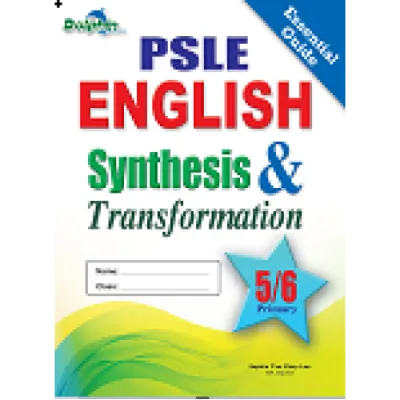
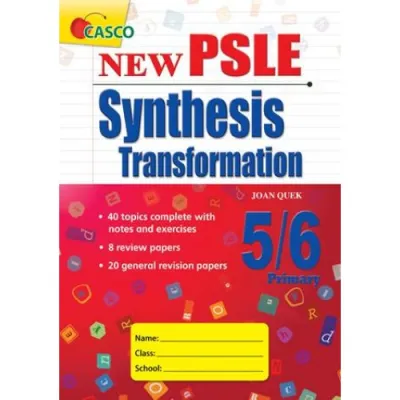
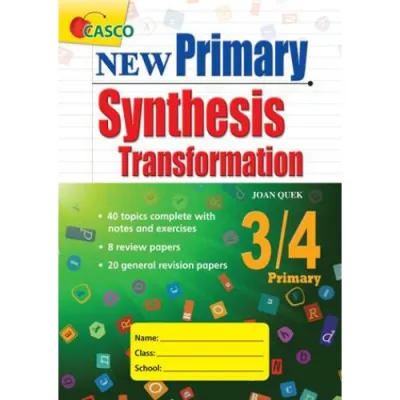
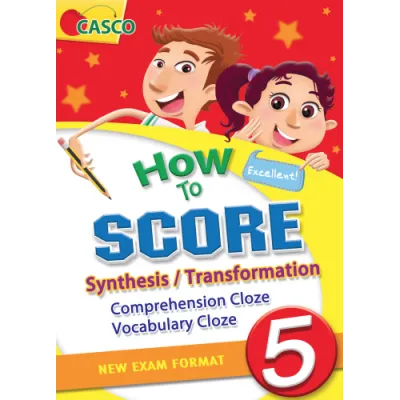
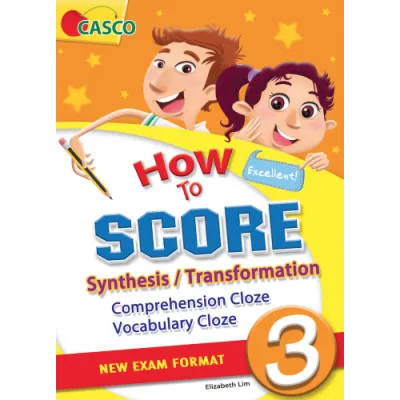
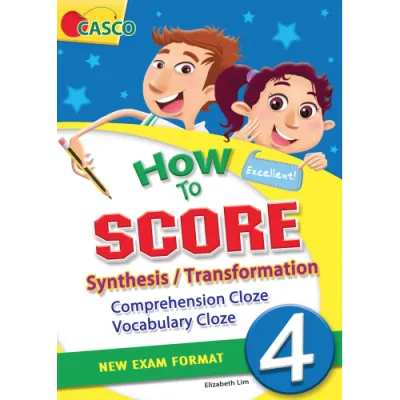
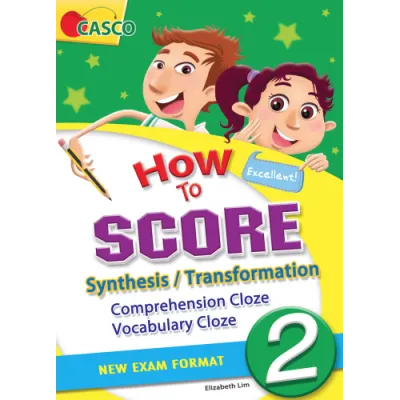
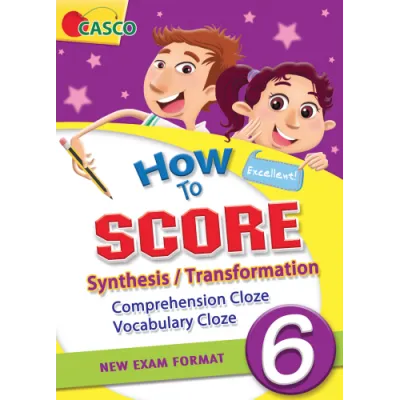
Prices are valid at publication and may change. Please refer to the product page for the latest price.
Consulting with your child’s school teacher is another highly effective way to identify specific areas requiring reinforcement. Teachers observe your child’s performance daily and can offer precise feedback on whether their challenges stem from a lack of conceptual understanding, careless mistakes under exam pressure, or a limited vocabulary. A quick discussion during parent-teacher sessions can help you determine if you should look for books that offer step-by-step grammatical explanations or if your child is ready for high-difficulty practice papers that test speed and accuracy.
Understanding the Synthesis English Material Categories
The landscape of English assessment books and workbooks in Singapore is diverse, with publications designed to serve very different educational purposes. To make an informed purchase, you must first distinguish between grade-level comprehensive books and skill-specific workbooks. Comprehensive books typically cover a wide range of exam components, including grammar, vocabulary, comprehension, and writing, within a single volume. While these are excellent for general revision and maintaining overall academic standards, they may not provide enough repetitive practice if your child is struggling with a specific, isolated component like synthesis and transformation.

Furthermore, it is crucial to understand the difference between instructional textbooks and assessment workbooks. Instructional books are designed to teach new concepts; they contain detailed explanations, grammatical rules, step-by-step guides, and worked examples that show how to apply specific rules. In contrast, assessment workbooks are designed primarily for testing and practice, featuring minimal explanation and a high volume of practice questions or mock exam papers. If your child is struggling to grasp the underlying rules of sentence structure, presenting them with an assessment workbook without instructional support will likely lead to frustration and repeated mistakes.
Finally, keep an eye out for supplementary materials that target specific learning objectives, such as vocabulary builders, sentence-combining guides, or editing workbooks. These specialized resources are highly beneficial for targeted intervention, allowing you to address specific weak points without forcing your child to wade through full-length practice papers. By understanding how these categories differ, you can build a balanced study plan that combines instructional guidance with structured practice, ensuring your child has the tools they need to succeed.
Matching Proficiency Levels to the Right Workbooks
Once you have assessed your child’s proficiency and understood the available book categories, the next step is matching their current level to the appropriate difficulty and focus area within the series. For learners who are struggling with basic grammar, sentence construction, or reading comprehension, foundational and concept-building books are the most appropriate choice. These books typically feature scaffolded exercises that break down complex grammatical rules into manageable steps, allowing the student to build confidence and master the basics before moving on to more challenging tasks.
For high achievers who have already mastered grade-level concepts and require enrichment or exam preparation, advanced assessment papers and higher-order thinking workbooks are more suitable. These materials introduce complex sentence structures, advanced vocabulary, and challenging comprehension passages that require critical thinking and precise language application. Working through these higher-difficulty exercises helps advanced learners refine their skills, avoid careless mistakes, and prepare for the rigorous demands of school examinations.
For students who perform well overall but have isolated weaknesses, targeted skill workbooks offer a highly efficient solution. If your child consistently loses marks only in the synthesis and transformation section, for example, a dedicated workbook focusing solely on sentence-combining techniques is far more effective than a comprehensive assessment book. This targeted approach allows the child to focus their energy where it is needed most, preventing them from feeling overwhelmed by repetitive practice in areas where they are already proficient.
Pre-Purchase Checklist for Singapore Learners
Before finalizing your purchase at a local bookstore or through an online marketplace, it is essential to run through a quick checklist to ensure the materials are fully relevant to your child’s academic journey. First and foremost, verify that the book edition aligns with the latest Ministry of Education (MOE) English syllabus requirements. The Singapore curriculum undergoes periodic updates to ensure learning outcomes remain relevant, and using an outdated book may mean your child is practicing formats or rules that are no longer tested in school.
Next, check the publication year and edition number of the book. Publishers frequently update their titles to reflect recent changes in exam formats, question styles, and marking rubrics. An older edition might lack the specific question types currently favored in school assessments, or it might include sections that have since been phased out of the official curriculum. Checking these details on the copyright page or the book’s cover helps ensure that your child’s study time is spent on highly relevant, up-to-date practice.
Finally, confirm the correct academic level and ensure the book is specifically intended for the Singapore market. Because educational systems vary significantly across different countries, international editions of English workbooks may use different spelling conventions, grammatical terminology, or assessment structures that do not align with local school requirements. Ensuring the book is tailored to the local Primary or Secondary grade levels guarantees that the vocabulary, sentence structures, and comprehension themes are appropriate for your child’s school year.
Frequently Asked Questions (FAQ)
How many Synthesis English workbooks should my child complete per week?
Establishing a sustainable and effective practice routine is key to helping your child improve without experiencing academic burnout. Rather than attempting to complete multiple chapters or entire workbooks in a single week, focus on consistent, short practice sessions. For most primary school students, completing two to three short exercises per week—ranging from fifteen to twenty minutes per session—is highly effective. This frequency allows the child to absorb grammatical rules and practice sentence structures without feeling overwhelmed by their supplementary study.
The ideal frequency should also be adjusted based on your child’s current proficiency level and the difficulty of the specific workbook. If they are working through a foundational book to master basic concepts, shorter and more frequent sessions can help reinforce learning. Conversely, if they are tackling advanced, higher-order thinking papers, they may require more time to analyze complex questions, making one longer, highly focused session per week more appropriate. Always prioritize quality of understanding over the quantity of pages completed.
Can I use higher-level Synthesis books to challenge an advanced learner?
While it can be tempting to introduce higher-level materials to challenge an advanced learner, this approach carries significant risks that should be carefully weighed. Before moving your child to a book designed for a higher grade level, ensure they have completely mastered their current grade’s curriculum, consistently scoring near-perfect marks in their school assessments. If they are still making occasional careless errors or struggling with nuance, their time is better spent refining their current skills rather than rushing ahead.
Introducing higher-level books prematurely can lead to frustration and a loss of confidence if the material introduces complex grammatical rules, vocabulary, or sentence structures that have not yet been taught in school. For example, a student who has not yet learned specific synthesis connectors may find advanced exercises confusing and discouraging. Instead of jumping to the next academic year, consider offering enrichment within their current grade level, such as workbooks that focus on higher-order thinking, creative writing, or advanced vocabulary application.
What is the difference between the textbook and the workbook in this series?
Understanding the distinct roles of textbooks and workbooks within an educational series is essential for optimizing your child’s study sessions. The textbook serves as the primary instructional tool, designed to introduce new concepts, explain grammatical rules, and provide guided examples. It offers the theoretical foundation your child needs to understand why certain sentence structures are used and how different clauses connect. Relying solely on a workbook without referencing the textbook can leave gaps in your child’s conceptual understanding.
The workbook, on the other hand, is designed for independent practice, self-assessment, and reinforcing the lessons learned from the textbook. It features a wide variety of practice questions, drills, and exercises that allow students to apply the rules they have studied in a practical context. To achieve the best results, combine both formats in a complete learning cycle: use the textbook to learn and understand a new concept, and then use the corresponding workbook exercises to practice and solidify that knowledge.

Community discussion
Share your experience or ask a question. Comments are reviewed before publication.