
Starting to learn Thai from scratch is an exciting journey, but the sheer volume of available study materials can feel overwhelming. To build a strong foundation without getting discouraged, absolute beginners need resources that match their specific learning goals, whether that means surviving a short trip, holding basic conversations, or mastering the unique Thai script. The right books act as structured guides, breaking down complex tonal systems and unfamiliar grammatical structures into manageable steps.
Choosing the ideal starting point requires looking beyond attractive covers and generic recommendations. A successful self-study path relies on books that offer clear phonetic transcriptions, systematic tone explanations, and accessible audio components. By selecting materials tailored to your immediate needs and verifying their features before purchase, you can establish an efficient, rewarding study routine that keeps you motivated.
Identifying Your Learning Goals and Book Types
Before browsing online marketplaces or local bookstores, you must define what you want to achieve with the Thai language. Your primary motivation directly dictates the type of book that will serve you best. A traveler looking to order street food and navigate public transport needs a completely different resource than a student aiming for professional fluency or deep cultural integration.
Products mentioned in this guide
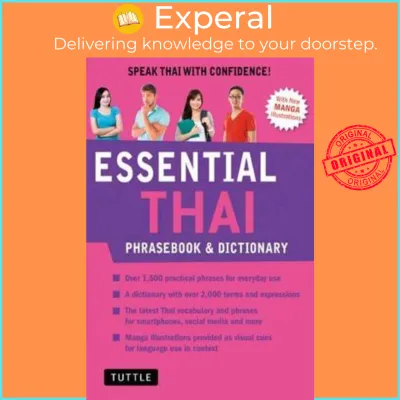
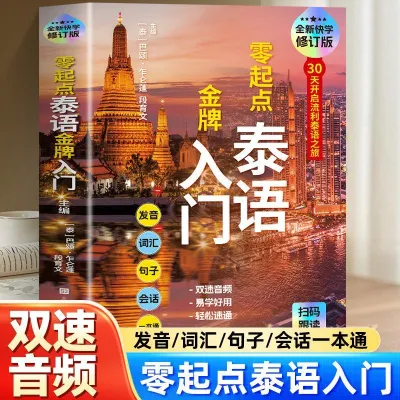
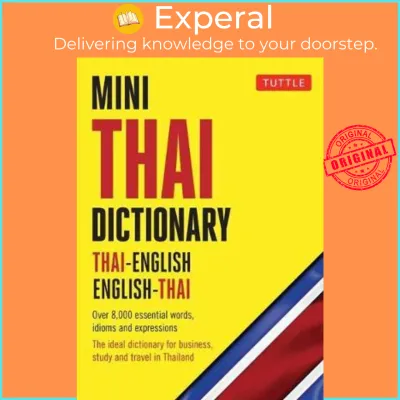
Prices are valid at publication and may change. Please refer to the product page for the latest price.
For those focusing on short-term travel survival, pocket phrasebooks and quick-reference guides are the most practical choices. These books prioritize immediate utility, offering phonetic spellings of essential phrases without diving into complex grammatical rules or script writing. They allow you to communicate basic needs quickly, though they will not help you construct original sentences or understand native responses outside of standard scenarios.
If your goal is conversational fluency, you require comprehensive textbooks that emphasize dialogue, everyday vocabulary, and basic sentence patterns. These resources teach you how the language functions, allowing you to swap out words within a structure to express your own thoughts. This path demands a more consistent time commitment, often requiring several months of regular study to achieve comfortable, basic conversational skills.
For learners committed to reading and writing, script-focused workbooks are indispensable. Thai is a tonal language written in its own unique script, which does not use spaces between words. Trying to learn conversational Thai without learning the alphabet can eventually limit your pronunciation accuracy and vocabulary growth. Mastering the script requires a dedicated daily commitment over several weeks, but it provides the ultimate foundation for long-term fluency.
Understanding these distinct paths prevents the frustration of using a book designed for a different purpose. A textbook filled with grammar drills will quickly bore a casual traveler, while a simple phrasebook will leave an aspiring fluent speaker feeling stuck. Aligning your book selection with your personal timeline and daily study capacity ensures that every study session brings you closer to your specific objectives.
Essential Features to Look for in Beginner Thai Books
An effective beginner book must bridge the gap between English and Thai linguistic structures. Because Thai is a tonal language with five distinct tones, written in a non-roman script, standard language-learning layouts often fall short. When evaluating potential books, look for specific pedagogical features that make the material accessible to absolute beginners.

First, verify the presence of clear phonetic transcription, often referred to as romanization. Since you cannot read the Thai script immediately, romanization allows you to start speaking and understanding words from day one. However, not all romanization systems are the same. Ensure the book uses a consistent system that clearly indicates vowel lengths and, most importantly, tone markers. Without explicit symbols showing whether a syllable is mid, low, falling, high, or rising, you may struggle to pronounce words correctly.
Second, prioritize books that provide high-quality native audio tracks or digital access. Learning a tonal language purely from text is incredibly difficult, as the human ear needs to train itself to recognize subtle pitch variations. Look for publishers that offer companion audio via streaming links, dedicated mobile applications, or downloadable files. Hearing native speakers pronounce the vocabulary and dialogues ensures you do not develop hard-to-correct pronunciation habits.
Third, look for grammar explanations written specifically for English speakers. Thai grammar is relatively straightforward—it has no verb conjugations, tenses, or gender agreements—but its word order and sentence particles can feel unfamiliar. A good beginner book explains these concepts using clear, non-academic language, comparing Thai structures to English equivalents where helpful, rather than relying on dense linguistic jargon.
Finally, check for built-in review sections or spaced repetition exercises. Retaining new vocabulary and script characters requires regular reinforcement. Books that include review quizzes, fill-in-the-blank exercises, and short reading comprehension passages at the end of each chapter help solidify your learning. These active recall opportunities ensure you master the current material before moving on to more advanced lessons.
Building a Starter Library: Core Book Categories
Relying on a single book to master Thai is rarely sufficient, as different resources excel in different areas. A more effective approach is to assemble a small, balanced starter library consisting of complementary book categories. By combining structured textbooks with targeted workbooks and reference guides, you can address all aspects of the language simultaneously.
Comprehensive textbooks serve as the anchor of your study routine. These books guide you through a logical progression of lessons, starting with basic greetings and gradually introducing more complex social interactions. They introduce vocabulary in context, explain essential grammar points, and provide dialogues that mimic real-life conversations. A well-structured textbook ensures you build a balanced foundation of listening, speaking, and reading skills.
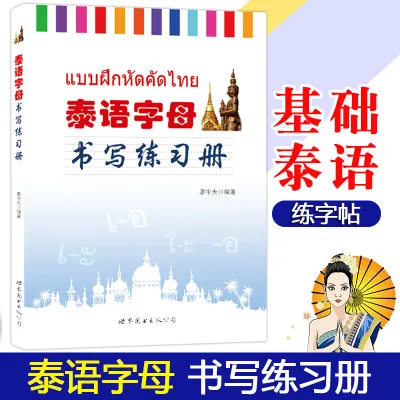
To complement your textbook, invest in a dedicated script and writing workbook. Learning the Thai alphabet—which consists of 44 consonants, 32 vowels, and various tone marks—requires physical practice. Workbooks with stroke-order diagrams, tracing grids, and exercises on consonant classes help you memorize the characters through muscle memory. These workbooks also teach the essential rules for determining the tone of a written word, which is crucial for independent reading.
Graded readers or bilingual storybooks are excellent tools for building reading stamina once you know the basic script. These books feature short, simple stories written in both Thai and English, often with a glossary of key terms on the same page. Reading contextual stories helps you transition from decoding individual words to understanding full sentences, while gradually expanding your vocabulary in an engaging way.
Lastly, a pocket phrasebook is a valuable companion for quick reference and real-world practice. Even if you are studying the language deeply, a compact phrasebook allows you to quickly look up common expressions, numbers, or food items when you are out and about. Its portable size makes it easy to carry, serving as a handy safety net during your first interactions with native speakers.
Pre-Purchase Checks for Language Learning Materials
Before finalizing your purchase, take the time to perform several practical checks on the books you have selected. Language learning materials can vary significantly in quality, format, and relevance, and a quick verification beforehand can save you time and frustration later.
Start by checking the publication date or edition of the book. While basic grammar rules do not change, vocabulary, slang, and cultural contexts evolve over time. Older books might use outdated terminology or formal phrasing that sounds unnatural to modern native speakers. Opting for recent editions ensures you are learning contemporary, practical Thai that you can use immediately in daily life.
Next, confirm how the supplementary audio materials are delivered. Many older books still advertise accompanying CDs, which can be highly inconvenient if you do not own a CD player. Verify that the publisher provides modern digital access, such as a companion website, a QR code link, or a dedicated smartphone app. Accessing audio easily on your phone or tablet makes it much simpler to integrate listening practice into your daily routine.
It is also important to verify the regional focus of the book. Standard Central Thai is the official language used in government, education, and media across Thailand, and it is what absolute beginners should focus on. Ensure the book does not accidentally focus on regional dialects, such as Northern, Northeastern (Isan), or Southern Thai, unless you have a specific personal or professional reason to learn those variations first.
Finally, consider the physical format of the book, especially for workbooks. Books that require you to write down answers, trace characters, or complete exercises are much easier to use if they have a lay-flat binding or spiral design. A book that constantly snaps shut while you are trying to practice writing can quickly become frustrating, so look for formats that accommodate hands-on study.
Frequently Asked Questions (FAQ)
Do I need to learn the Thai alphabet before using phrasebooks?
No, you do not need to learn the Thai alphabet to use a phrasebook. Phrasebooks are specifically designed for quick communication and rely heavily on romanized phonetic transcriptions to help you pronounce words immediately. This allows travelers to navigate basic situations without spending weeks studying the script.
However, if you plan to study the language beyond basic travel phrases, learning the alphabet is highly recommended. Romanization systems are often inconsistent between different publishers, which can lead to pronunciation confusion. Learning the native script allows you to read signs, menus, and official documents, while providing the only accurate way to determine the correct tone of a word.
Should I buy books with audio accompaniments?
Yes, buying books with audio accompaniments is highly recommended when learning Thai. Because Thai is a tonal language, the meaning of a word changes entirely depending on the pitch used to pronounce it. Without consistent auditory input from native speakers, it is extremely difficult to master these tones or develop a natural speaking rhythm.
Before purchasing, always check the product description to confirm how the audio is accessed. Look for publishers that offer streaming options, downloadable MP3s, or mobile apps rather than physical CDs, ensuring you can easily listen to the tracks on your preferred digital devices.
Are bilingual Thai-English books better for beginners?
Bilingual books can be incredibly helpful for absolute beginners because they provide immediate context and translation. Having the English translation directly alongside the Thai text allows you to quickly understand the meaning of a passage without constantly stopping to look up individual words in a dictionary.
However, you should avoid relying on direct word-for-word translations. Thai and English have very different grammatical structures, sentence patterns, and cultural expressions. Use the bilingual format to understand the overall meaning and structure of the sentences, but pay close attention to how the Thai grammar explanations differ from English rules.

Community discussion
Share your experience or ask a question. Comments are reviewed before publication.