
Choosing your first guitalele requires balancing the compact portability of a ukulele with the expressive six-string range of a classical guitar. To find the right instrument, you must prioritize neck playability, tuning stability, and structural durability over cosmetic appeal. A successful purchase hinges on verifying the nut width for comfortable finger placement, selecting the appropriate tonewood construction for your local climate, and ensuring the instrument can hold its pitch under standard tension.
By focusing on these core specifications and understanding how to evaluate build quality, you can avoid common beginner pitfalls. This guide outlines the essential features to look for, how to assess different manufacturing standards, and how to inspect your new instrument to ensure it is ready for years of comfortable playing.
Understanding the Guitalele: Guitar vs. Ukulele Differences
A guitalele is a hybrid instrument that merges the compact, lightweight body of a tenor ukulele with the six-string neck of a classical guitar. This design allows you to enjoy the travel-friendly nature of a ukulele while retaining the full harmonic range and chord vocabulary of a guitar. Unlike a ukulele, which typically has four strings, the guitalele features six nylon strings, making it a highly versatile option for solo arrangements and complex fingerpicking.
Products mentioned in this guide
![Yamaha GL1 Guitalele 6 Nylon Strings Ukulele 27 Inch Beginner Series [LIMITED STOCK]](https://img.lazcdn.com/g/p/275c60d8eff8d096d5a051d8909d23fd.jpg_400x400q80.jpg_.webp)
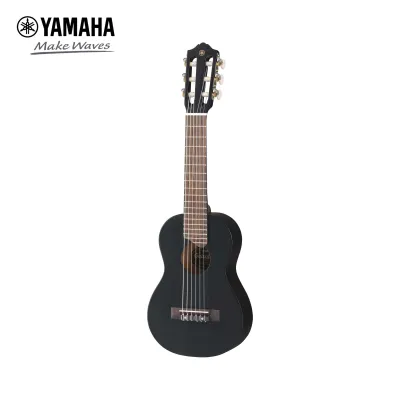
Prices are valid at publication and may change. Please refer to the product page for the latest price.
The tuning of a guitalele is a critical differentiator. While a standard guitar is tuned to EADGBE, a guitalele is tuned a perfect fourth higher to ADGCEA. This tuning is identical to placing a capo on the fifth fret of a standard guitar. Consequently, all your standard guitar chord shapes remain exactly the same, but they will sound in a higher key. For example, playing a standard G-chord shape on a guitalele produces a C-chord pitch.
This unique setup makes the guitalele highly appealing to specific player profiles. Experienced guitarists often choose it as a portable travel companion because they can play their existing repertoire without learning new chord shapes. Ukulele players seeking to expand their musical range also benefit, as the additional two strings provide deeper bass notes and richer chord voicings for more complex arrangements.
Essential Specifications to Match Your Playing Style
Before purchasing a guitalele, you must understand how its physical dimensions and materials influence both its sound and how comfortable it feels in your hands.

Scale Length, Nut Width, and Playability
The scale length—the distance between the nut and the bridge saddle—typically measures around 17 inches (432 mm) on a standard guitalele. This short scale length directly impacts string tension and fret spacing. Because the frets are much closer together than on a standard guitar, players must develop precise finger placement, especially when executing complex chords in the higher registers.
Nut width is another critical dimension that dictates comfort. Most guitaleles feature a nut width between 47mm and 50mm. For players transitioning from a standard acoustic guitar, which usually has a narrower 43mm nut width, this wider spacing provides familiar room for individual strings, preventing accidental muting. However, for those transitioning from a narrow ukulele neck, the wider fretboard may require some hand-stretching exercises to master.
The neck profile is typically a flat, classical-style D-shape. This design encourages proper thumb placement on the back of the neck, which facilitates clean chord transitions and helps prevent hand fatigue during long practice sessions. If possible, check the specifications to ensure the neck profile matches your hand size and comfort preferences.
Tonewoods, Laminates, and Sound Projection
The choice of body materials determines both the acoustic character and the physical durability of your guitalele. Solid wood tops, such as solid spruce or solid mahogany, offer superior resonance and a tone that matures and improves as the wood ages. However, solid wood is highly sensitive to environmental changes.
In tropical climates with high relative humidity, such as Singapore, solid wood can absorb moisture, leading to swelling, warped tops, or bridge separation. Laminate construction, which uses multiple thin layers of wood bonded together, offers excellent structural stability. Laminate guitaleles are highly resistant to humidity fluctuations and physical impacts, making them the preferred choice for travel, outdoor play, and worry-free storage.
Common tonewoods include spruce, which delivers a bright, punchy sound with excellent projection, and mahogany, which provides a warmer, more balanced mid-range tone. The finish also plays a role: a thin satin finish allows the wood to vibrate more freely for a natural acoustic response, while a gloss finish offers a thicker, more durable protective layer against scratches and sweat.
Standard Tuning and String Compatibility
Maintaining proper string tension on a short-scale instrument requires specific tuning and string choices. Tuning a guitalele down to standard guitar pitch (EADGBE) using standard strings results in extremely loose, floppy strings that buzz against the frets and fail to project sound. To achieve optimal tension and clarity, the instrument must be tuned to its native ADGCEA pitch.
Guitaleles must only be strung with nylon or fluorocarbon strings. The high tension of steel acoustic guitar strings will exert hundreds of pounds of force, quickly warping the neck, lifting the bridge, and permanently destroying the instrument. Specialized guitalele strings or high-tension classical guitar strings are preferred to maintain crisp projection and proper tension.
Geared tuning machines are essential for keeping these nylon strings in tune, as nylon naturally stretches and slips more than steel. Look for tuners with a smooth, precise gear ratio to ensure stable tuning. High-quality geared tuners prevent the strings from slipping out of pitch during play, reducing the need for constant retuning.
Evaluating Beginner-Friendly Brands and Build Quality
When shopping for your first guitalele, identifying a reliable brand involves looking beyond aesthetic designs to evaluate manufacturing consistency and customer support. A beginner-friendly brand should provide clear, transparent specifications regarding materials, scale length, and nut width. They often include helpful starter accessories, such as a padded gig bag, a digital tuner, and a basic instruction guide.
To verify a brand’s consistency, analyze user reviews on independent forums and retail sites, paying close attention to feedback regarding “fret sprout” (sharp metal fret ends extending past the fretboard), “high action” (strings set too high, making them difficult to press down), and “intonation issues” (where notes sound out of tune as you play higher up the neck). Brands with consistent quality control will have fewer complaints about these structural issues.
Choosing a brand with established local distributor support is highly advantageous. Local music shops can perform professional setups, adjust the neck relief, and handle warranty claims directly, saving you the high cost and long wait times associated with shipping an instrument back to an overseas manufacturer. This local support ensures your instrument remains in peak playing condition.
If your primary goal is travel durability, prioritize brands that specialize in high-quality laminate constructions with robust geared tuners and an included padded gig bag. If your goal is acoustic performance for home recording or quiet practice, look for brands that offer solid-top models with bone nuts and saddles, which provide better sustain and tonal depth.
Setting a Realistic Budget and Where to Buy
Setting a budget for your first guitalele requires understanding what quality levels exist at different price points. Entry-level guitaleles generally range from S$100 to S$200. In this range, you will find reliable, all-laminate instruments that are durable and functional, though they may feature plastic nuts and saddles and basic tuning machines.
Mid-tier guitaleles, ranging from S$200 to S$400, often introduce solid wood tops, bone hardware for improved sustain, and high-quality geared tuners. Avoid ultra-cheap instruments priced under S$70; these products frequently suffer from severe structural defects, poor fret leveling, and unstable tuning mechanisms that make learning frustrating and require costly professional repairs to resolve.
When deciding where to buy, visiting a specialized local music store is highly recommended. This allows you to physically hold the instrument, feel the neck width, and hear the acoustic projection in person. Local shops often include a basic setup in the purchase price, ensuring the action is comfortable before you take it home.
If you choose to buy from an online marketplace, ensure the seller has a clear return policy, offers shipping protection, and has positive ratings for packaging fragile musical instruments. Ask the seller if the instrument undergoes a quality check before dispatch to minimize the risk of receiving a defective unit.
Inspecting Your Instrument Upon Arrival
Once your guitalele arrives, performing a thorough physical and acoustic inspection is crucial to ensure you received a high-quality instrument. Start with a visual check: sight down the edge of the fretboard from the headstock to the body to ensure the neck is straight and free of twists. Inspect the joints where the neck meets the body, and examine the bridge to ensure it is glued flat against the top with no visible gaps or lifting.
Next, test the playability by tuning the instrument to ADGCEA and playing every single fret on every string. Listen closely for any fret buzz, which indicates uneven frets or an improperly cut nut. Check the action height at the 12th fret; it should be low enough for comfortable pressing but high enough to prevent buzzing.
To test the intonation, use a digital tuner to tune an open string, then press the string at the 12th fret and play the note. The fretted note should match the open note’s pitch exactly one octave higher. If you discover structural cracks, a lifting bridge, a severely warped neck, or notes that are significantly out of tune at the 12th fret, these are clear stop conditions. Do not attempt to fix these issues yourself; immediately package the instrument and contact the seller to request a replacement or a full refund.
Frequently Asked Questions (FAQ)
Can I use standard guitar strings on a guitalele?
Standard classical guitar strings (nylon) can physically fit on a guitalele, but they are designed for a much longer scale length. If you install them and tune them to standard guitar pitch (EADGBE), they will be incredibly loose, resulting in poor tone and constant fret buzz. If you tune standard classical strings up to A tuning (ADGCEA), they will function, but they may still feel slightly soft. For the best playability and tension, it is highly recommended to purchase dedicated guitalele strings or high-tension classical guitar strings. Never use steel strings, as the immense tension will warp the neck and pull the bridge off the body.
Do I need a special case or humidifier for my guitalele?
Yes, a standard guitar case is far too large, and standard soprano or concert ukulele cases are too small and narrow. You will need a dedicated guitalele gig bag or a baritone ukulele case; always verify the interior dimensions of the case against your instrument’s total length and lower bout width before purchasing. Regarding humidity, if your guitalele is made of solid wood and you live in a highly humid climate, you do not need a humidifier. Instead, you should protect the instrument from excessive moisture by storing it in its case with silica gel packs or a specialized dehumidifying packet to prevent the wood from swelling and warping. Laminate instruments are highly stable and do not require humidity control.
Is a guitalele a good instrument for a child to learn on?
A guitalele can be an excellent instrument for older children due to its compact size and gentle nylon strings, which are much easier on young fingers than steel strings. However, managing six strings and learning complex six-string chord shapes can be challenging and overwhelming for very young beginners. For children under the age of eight, starting with a standard four-string soprano or concert ukulele is often more successful. The simpler four-string chord shapes allow them to experience immediate musical success, and they can easily transition to the six-string guitalele once their hand span and coordination develop.

Community discussion
Share your experience or ask a question. Comments are reviewed before publication.