
Embarking on a new career chapter is rarely a linear journey. Whether you are pivoting to an entirely new industry, stepping into an entrepreneurial role, or recovering from professional burnout, the transition requires more than just updated technical skills. It demands a fundamental shift in mindset, identity, and daily habits.
An exceptional inspirational book serves as a silent mentor during these periods of uncertainty. However, the self-help and professional development market is saturated with generic advice, repetitive anecdotes, and superficial motivation. Finding a book that truly resonates with your specific transition requires a deliberate, structured approach to selection.
To make your next read a genuine catalyst for change, you must align the book’s core methodology with your current transition stage. By evaluating author credibility, evidence-based frameworks, and practical actionability, you can bypass empty rhetoric and invest your time in literature that delivers measurable professional growth.
Products mentioned in this guide

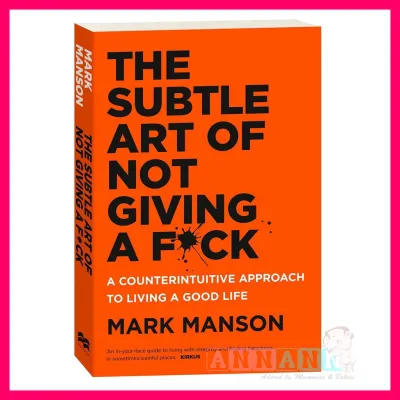
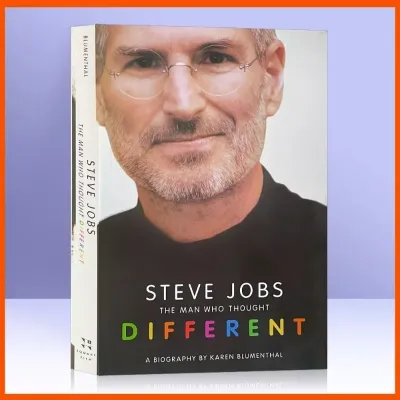
Prices are valid at publication and may change. Please refer to the product page for the latest price.
Identifying Your Career Transition Stage
Before browsing the shelves of a bookstore or scrolling through an online marketplace, you must diagnose your exact position in the career transition cycle. Professional reinvention is not a single event but a multi-phase process, and a book that inspires someone in the early stages of exploration may frustrate someone who is actively trying to build a new business.
The first phase is early exploration, characterized by a profound sense of feeling stuck, unfulfilled, or burnt out. In this stage, your primary need is clarity and direction. You require books that help you deconstruct your current professional identity, identify core values, and overcome the fear of leaving a familiar path. The focus here is emotional and philosophical, helping you answer the fundamental question of what you want to do next.
The second phase is active skill-building and execution. Once you have identified your target industry or role, the challenge shifts from conceptual planning to practical implementation. At this juncture, emotional encouragement must take a back seat to tactical execution. You need books that detail behavioral science, habit formation, and skill acquisition strategies to help you close the gap between your current capabilities and your future goals.
The final phase involves leadership or identity shifts. This occurs when you have successfully entered your new field but must now establish credibility, manage teams, or navigate a completely different corporate culture. The pain points here are often related to imposter syndrome, communication barriers, or strategic decision-making. Books focusing on organizational psychology, emotional intelligence, and executive presence are most valuable during this period.
Mapping your emotional and practical pain points to these phases prevents cognitive overload. If you are suffering from acute burnout, a highly demanding productivity manual will likely exacerbate your stress. Conversely, if you are ready to launch a freelance business, a purely philosophical book on finding your passion will not provide the operational frameworks you need to survive.
Core Criteria for Evaluating Inspirational Books
With thousands of titles claiming to offer the secret to professional success, establishing a rigorous evaluation framework is essential. Relying solely on bestseller lists or superficial online reviews can lead to purchasing books that offer temporary emotional highs but lack long-term utility.

The first criterion to examine is author credibility. It is vital to distinguish between career practitioners who have successfully navigated complex industries and purely motivational speakers whose primary business is selling inspiration. Look for authors with documented backgrounds in corporate leadership, entrepreneurship, academic research, or specialized coaching. An author who has spent decades studying organizational behavior or building businesses will offer insights grounded in reality, whereas a professional influencer may rely on recycled platitudes.
The second criterion is the book’s evidence base. High-quality inspirational literature does not rely on isolated, unverified anecdotes to prove its points. Instead, it draws upon established scientific disciplines such as cognitive behavioral psychology, neuroscience, behavioral economics, or extensive, peer-reviewed organizational case studies. When an author explains why a certain strategy works by citing empirical research, you can apply that strategy to your own career with greater confidence.
The third and perhaps most critical criterion is actionability. A truly transformative career book should not be read passively. It must offer structured exercises, diagnostic self-assessments, reflection prompts, or step-by-step frameworks that force you to apply the concepts to your unique situation. Look for books that include dedicated worksheets, end-of-chapter action items, or companion digital resources that facilitate active learning.
Finally, consider the tone and delivery style of the writing. Some readers thrive on direct, challenging, and highly analytical prose, while others require a more empathetic, narrative-driven approach. Previewing the introduction or the first chapter can help you determine if the author’s voice aligns with your learning preferences, ensuring you remain engaged throughout the entire text.
Reading Directions by Transition Goal
To streamline your search, it is helpful to categorize inspirational books into distinct thematic directions based on your immediate objectives. Rather than viewing these categories as rigid boundaries, consider them as overlapping pathways that address different dimensions of your professional evolution.
The following sections outline three primary reading directions: emotional resilience, strategic direction, and practical habit-building. These frameworks serve as non-exhaustive guides to help you identify the core methodologies that will best support your current career goals.
Overcoming Fear and Building Resilience
Leaving a stable job or pivoting to an unfamiliar industry inevitably triggers anxiety, self-doubt, and fear of failure. To navigate this emotional turbulence, you need literature that focuses on building psychological safety, reframing risk, and developing emotional resilience.
Books in this category often explore widely recognized concepts such as the growth mindset—the belief that abilities can be developed through dedication and hard work—or vulnerability frameworks that encourage embracing uncertainty. These concepts help you view setbacks not as permanent failures, but as essential data points in your career transition.
When selecting a book in this space, it is crucial to verify that the author’s psychological approach aligns with your personal coping style. Some books lean heavily into stoic philosophy and rigorous self-discipline, while others emphasize self-compassion and mindfulness. Choose a methodology that feels supportive rather than punitive, as building resilience requires sustainable emotional practices rather than temporary willpower.
Discovering Purpose and Strategic Direction
If your primary challenge is a lack of direction or uncertainty about which path to pursue, your reading should focus on strategic career mapping and values alignment. These books help you zoom out to look at the bigger picture of your life and design a career that integrates seamlessly with your personal priorities.
Many highly effective books in this category adapt design thinking principles—such as prototyping, radical collaboration, and reframing dysfunctional beliefs—to personal development. Other frameworks, like the concept of aligning what you love, what you are good at, what the world needs, and what you can be paid for, offer structured ways to evaluate potential career paths.
Avoid books that offer prescriptive, one-size-fits-all career roadmaps. Instead, prioritize titles that provide robust self-assessment tools, values-clarification exercises, and structured methods for conducting informational interviews or low-risk career experiments. The goal is to find a book that teaches you how to think about your career, not what career to choose.
Developing New Professional Habits and Skills
Once your direction is clear, the focus must shift to the daily execution of your transition. This requires developing high-performance habits, mastering deep focus, and establishing continuous learning systems that allow you to acquire new skills rapidly.
Literature in this domain typically crosses over into general productivity, but for a career transition, you should seek out books that specifically address professional identity shifts. Look for frameworks that explain how small, incremental changes in your daily routine can compound into massive professional advantages over time, or how structuring your environment can eliminate distractions and facilitate deep work.
Because the modern workplace changes rapidly, it is essential to check the publication or revision dates of books in this category. A productivity or skill-acquisition book written decades ago may rely on obsolete assumptions about office environments and physical presence. Ensure the author’s advice accounts for contemporary realities such as remote work, digital collaboration tools, and the rapid evolution of technology.
Pre-Purchase Checks: Editions, Formats, and Compatibility
Once you have identified a book that aligns with your career goals, performing a few pre-purchase checks can prevent frustration and ensure you get the maximum value from your investment. This is particularly important for professional development books, which often feature complex layouts, interactive elements, or highly nuanced language.
First, pay close attention to language editions and translation quality. If you are reading a book translated from another language, or if you are a non-native speaker reading a complex English text, ensure the translation is highly regarded. Nuanced professional concepts, psychological terms, and cultural workplace contexts can easily be lost or distorted in poor translations, leading to confusion or misapplication of the advice.
Second, carefully consider the medium of consumption. While audiobooks are excellent for narrative-driven memoirs or general motivational content, they can be highly inefficient for books that require active note-taking, diagram analysis, or workbook exercises. If you prefer audiobooks, check if the publisher provides an accompanying PDF containing the book’s charts, exercises, and visual aids. Additionally, listen to a sample of the narrator’s voice to ensure their tone and pacing are conducive to learning, and check the total length to ensure it fits your commuting or study schedule.
Third, if you prefer digital reading, verify the e-book formatting before purchasing. Many career workbooks contain complex tables, flowcharts, or interactive fill-in-the-blank sections. In a standard reflowable e-book format, these elements can become distorted, misaligned, or completely unreadable on smaller e-reader or smartphone screens. For books that are highly visual or interactive, a physical copy or a fixed-layout digital edition viewed on a larger tablet is often the superior choice.
Frequently Asked Questions (FAQ)
Should I buy a physical copy or an e-book for career workbooks?
For books that function primarily as workbooks—meaning they contain diagnostic tests, writing prompts, and planning templates—a physical copy is generally highly recommended. Writing by hand has been shown to enhance cognitive processing and retention, making your self-reflection exercises more impactful. Physical books also allow you to easily flip back and forth between reference chapters and your written answers, and you can use physical sticky notes or highlighters to mark critical passages. However, if portability and searchability are your top priorities, an e-book can work well, provided you maintain a separate physical journal or digital document to record your answers to the book’s exercises. If you choose the digital route, ensure your e-reader supports high-resolution rendering of any embedded charts or diagrams.
How can I tell if an inspirational career book is outdated?
To assess the temporal relevance of a career book before purchasing, start by checking the publication or latest revised edition date. Look specifically for references to modern workplace dynamics, such as hybrid or remote work models, the gig economy, digital networking strategies, and the integration of artificial intelligence. If a book’s case studies focus exclusively on traditional, hierarchical corporate structures from the late twentieth century, the advice may not translate well to today’s flatter, more agile organizational environments. Additionally, examine the author’s recommended networking and job-search strategies; if they rely heavily on physical mailings or outdated resume formats without addressing modern applicant tracking systems (ATS) or professional networking platforms, the practical utility of the book may be limited.

Community discussion
Share your experience or ask a question. Comments are reviewed before publication.