
Deciding whether to invest your time and money into a bestselling self-improvement book can be challenging, especially when online platforms are flooded with endless praise. James Clear’s ‘Atomic Habits’ has become a global phenomenon, promising a simple and proven way to build good habits and break bad ones. If you are trying to determine whether this book genuinely delivers practical value or if it is simply another overhyped addition to the self-help genre, the answer depends largely on what you expect to gain from it. For most readers, the book is highly worth reading because it translates complex behavioral science into highly actionable, everyday strategies. However, it is essential to understand what the book can and cannot do before you make a purchase.
For busy professionals, students, and lifelong learners balancing demanding schedules, managing daily routines is a constant challenge. Whether you want to establish a regular exercise routine, improve your focus at work, or curb unproductive digital habits, the book offers a structured blueprint. Rather than relying on fleeting bursts of motivation, the core philosophy focuses on designing systems that make positive behaviors almost automatic. This review provides an honest, practical evaluation of the book’s core concepts, its real-world applicability, and how to choose the right format for your personal learning style.
What Atomic Habits Actually Delivers Beyond the Hype
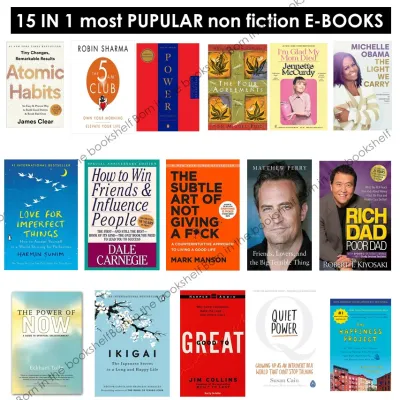
To appreciate the value of the book, you must first separate its actual content from the exaggerated marketing claims that often surround it. Social media influencers frequently present the book as an overnight life-transformation tool, suggesting that simply reading it will effortlessly solve all your productivity struggles. In reality, the central thesis is built on the concept of marginal gains—the idea that improving by just one percent every day compounds into significant changes over time. This is a philosophy of slow, deliberate progress rather than instant, dramatic transformation.
Products mentioned in this guide
![[ready stock ] Atomic Habits:Establish A Good Habit English Original](https://img.lazcdn.com/g/p/2200d28e1723dc0621cd45277dae0165.jpg_400x400q80.jpg_.webp)
Prices are valid at publication and may change. Please refer to the product page for the latest price.
The book’s true strength lies in its focus on identity-based habits. Clear argues that lasting behavior change does not come from focusing on what you want to achieve (outcomes), but rather on who you wish to become (identity). For instance, instead of focusing on writing a book, the goal is to become the type of person who writes every day. This shift in perspective is highly practical, but it requires consistent mental effort and self-reflection. It contrasts sharply with superficial marketing narratives that promise effortless success without lifestyle adjustments.
It is also crucial to clarify the scope of the book. It provides a structured framework for behavior change, not a personalized coaching service or a clinical therapy manual. It offers general tools and mental models that you must actively adapt to your unique circumstances. The book does not address deep-seated psychological trauma, clinical executive dysfunction, or severe addictive behaviors. Understanding this boundary prevents disappointment; the book is an excellent guide for optimizing daily routines, but it is not a substitute for professional mental health support or specialized clinical interventions.
Evaluating the Core Framework for Practical Habit Building
The practical core of the book revolves around the Four Laws of Behavior Change: make it obvious, make it attractive, make it easy, and make it satisfying. These laws correspond to the four stages of a habit loop: cue, craving, response, and reward. By breaking down human behavior into these distinct phases, the book provides readers with a highly actionable toolkit. For example, if you want to build a habit of drinking more water, you make the cue obvious by placing a filled water bottle on your desk every morning. To break a bad habit, you simply invert these laws, such as making the cue invisible by hiding distracting smartphone apps.

One of the most feasible strategies discussed is habit stacking, which involves pairing a new habit with an existing routine. For individuals with unpredictable or busy schedules, this method is highly effective because it leverages established cognitive pathways. For instance, you might decide that after you pour your morning coffee, you will meditate for one minute. This removes the friction of deciding when and where to perform the new behavior. Similarly, environment design—altering your physical surroundings to reduce friction for good habits and increase friction for bad ones—is incredibly powerful. If your living space is optimized for distraction, maintaining focus will always feel like an uphill battle.
However, the feasibility of these frameworks ultimately depends on reader effort. While the book provides clear templates, worksheets, and relatable examples, these resources are not plug-and-play solutions. You must invest the time to map out your own habit loops, identify your personal cues, and experiment with different rewards. For someone working long hours or managing a household, customizing these templates requires active planning. The framework works, but only if you are willing to do the cognitive heavy lifting required to adapt it to your daily life.
Who Should Read It and Who Should Skip It
The book is an ideal read for specific profiles of readers, particularly those who struggle with consistency, routine building, or breaking minor, non-clinical bad habits. If you find yourself constantly setting goals but failing to follow through, the emphasis on systems over goals will provide a much-needed paradigm shift. It is also highly beneficial for managers, educators, and parents who want to understand the basic mechanics of human behavior to help others build better routines. The clear, accessible writing style makes it an easy entry point for anyone new to the self-improvement genre.
Conversely, there are readers who should skip this book. If you are already deeply familiar with behavioral psychology and have read foundational texts like Charles Duhigg’s ‘The Power of Habit’ or academic research on operant conditioning, you may find the concepts highly repetitive. While the book synthesizes these ideas exceptionally well, it does not offer groundbreaking scientific discoveries; rather, it repackages existing psychological principles into a highly polished, user-friendly format.
Additionally, individuals seeking deep psychological healing or solutions for complex clinical conditions will find the book’s advice insufficient. Issues such as chronic procrastination stemming from severe anxiety, clinical depression, or deep-seated trauma require specialized therapeutic approaches. Expecting a standard self-help book to resolve these complex issues can lead to frustration. If your struggles with routine are tied to clinical mental health challenges, your resources are better spent seeking professional guidance rather than relying solely on self-help frameworks.
Choosing the Right Format and Edition for Your Reading Goals
If you decide that the book is a good fit for your goals, choosing the right format is the next step to ensure you actually absorb and apply the material. The book is widely available in physical, e-book, and audiobook formats, each offering distinct advantages depending on your lifestyle and learning preferences. With physical copies typically retailing around S$20 to S$30 in local bookstores, choosing the right format ensures you get the best return on your investment.
A physical paperback or hardcover copy is highly recommended for active learners. The book contains numerous diagrams, habit-tracking templates, and summary tables at the end of each chapter. Having a physical copy allows you to easily highlight key passages, write notes in the margins, and quickly flip back to reference specific frameworks. For many, keeping a physical book on a desk or nightstand also serves as a visual cue—a practical application of the book’s first law of habit formation.
For those who commute daily on public transport, an e-book version for a digital reader or tablet offers excellent portability. You can highlight key concepts digitally and search for specific terms easily. The audiobook format, narrated by the author, is highly engaging and perfect for passive listening during workouts or daily commutes. However, the audiobook makes active note-taking and referencing the visual templates much more difficult. If you choose the audio format, ensure you download the accompanying PDF companion guide, which contains the essential visual aids.
When purchasing, always verify the publisher, language, and publication year to ensure you are receiving the complete, authorized edition. In Singapore, it is advisable to purchase from established local bookstores or authorized online marketplaces to avoid low-quality, unauthorized, or poorly printed counterfeit copies. Checking these details ensures you receive a high-quality copy with all the original diagrams and worksheets intact, allowing you to get the full value out of your investment.
Frequently Asked Questions (FAQ)
How long does it take to see results using the Atomic Habits method?
The book emphasizes building sustainable systems rather than achieving rapid, short-term goals. Because of this, there is no fixed timeline for seeing results. The time required to establish a habit depends entirely on your consistency, the complexity of the habit, and how well you design your environment. Minor adjustments, like changing your workspace layout, can yield immediate improvements in focus, while complex habits like regular exercise may take several weeks or months of consistent repetition to feel automatic.
Is the audiobook version as effective as the physical book for taking notes?
While the audiobook is highly convenient for listening during commutes, it is generally less effective for active studying and note-taking. The physical book and e-book formats allow you to easily highlight text, write personal reflections, and study the visual diagrams. If you prefer the audiobook, it is highly recommended to use the publisher’s supplementary PDF guide to review the visual templates and worksheets, or to use a dedicated note-taking app while listening to capture key insights.

Community discussion
Share your experience or ask a question. Comments are reviewed before publication.