
Does Stephen Covey’s 1989 classic The 7 Habits of Highly Effective People still hold up in an era dominated by instant messaging, remote work, and artificial intelligence? The short answer is yes, but with a major caveat: while the foundational principles remain incredibly robust psychological anchors, the practical execution requires a complete digital translation. The book’s core strength lies in its focus on character ethics over quick-fix personality hacks, making it a timeless guide for self-leadership, provided you know how to filter its analog-era examples through a modern, digital-first lens.
Core Principles vs. Modern Work Realities
In today’s professional landscape, where remote work and self-directed projects are increasingly common, the first two habits—”Be Proactive” and “Begin with the End in Mind”—are more critical than ever. In a traditional office, external structures like set working hours and physical supervision often dictated daily activity. Today, professionals must manage their own time and energy. Being proactive means taking ownership of your output and communication without waiting for a manager to prompt you. Beginning with the end in mind is crucial for self-directed projects; without a clear definition of “done,” remote workers can easily drift into aimless activity or overwork.
“Put First Things First” is the ultimate battleground in modern workplaces. Covey’s time management matrix, which divides tasks into four quadrants based on urgency and importance, is highly relevant yet incredibly difficult to execute today. In an era of notification overload and always-on expectations, everything feels urgent. The constant ping of instant messaging apps forces us into Quadrant I (urgent and important) or Quadrant III (urgent but unimportant). To survive, modern professionals must actively protect Quadrant II—the space for deep work, strategic planning, and relationship building. Without this deliberate protection, your day will be entirely consumed by other people’s priorities.
Products mentioned in this guide
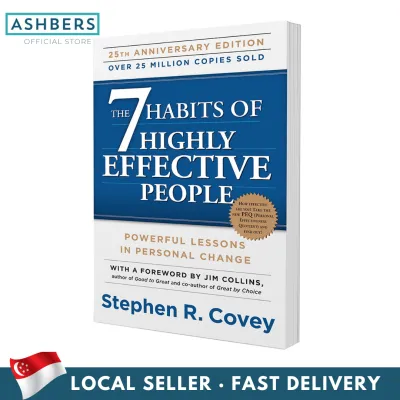
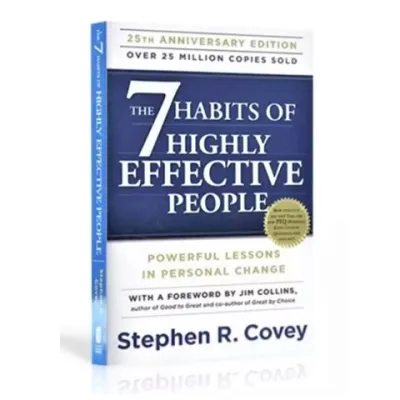
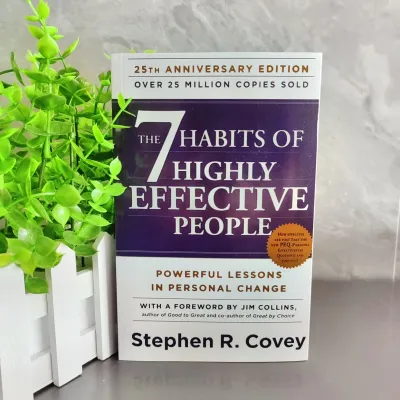
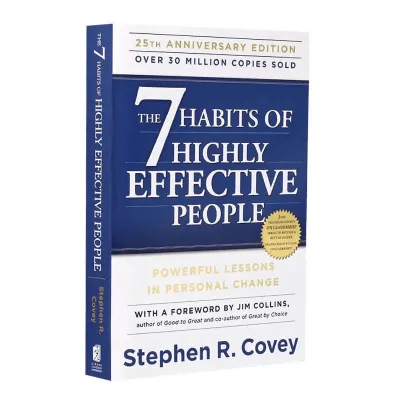
Prices are valid at publication and may change. Please refer to the product page for the latest price.
These habits serve as stable psychological anchors because they shift the focus from external circumstances to internal control. However, they require contextual translation. The “weekly planning” Covey advocates cannot just be a paper planner exercise; it must be integrated into digital calendars, task managers, and shared team boards to survive modern workflows. The principles remain true, but the tools we use to execute them must evolve.
Where the Book Shows Its Age
Written in the late 20th century, the book naturally lacks any concept of digital distractions, screen fatigue, or asynchronous communication. Covey’s examples often feature physical offices, phone calls, and face-to-face meetings. He did not anticipate the cognitive load of switching between dozens of browser tabs or the psychological toll of constant connectivity. For a modern reader, some of the anecdotes can feel incredibly dated, requiring a mental translation to apply them to a world where a significant portion of our work happens on screens.

The concepts of “Win-Win” and “Synergize” also face new challenges in globally distributed, cross-cultural virtual teams. Building trust—what Covey calls the “emotional bank account”—is much harder when your interactions are limited to text-based chat or brief video calls. Asynchronous communication lacks the nuance of body language and tone, making misunderstandings more common. “Synergy” in a physical room feels organic; online, it requires deliberate structure, collaborative digital whiteboards, and explicit communication protocols.
Consequently, readers must supplement the classic text with contemporary digital wellbeing and productivity frameworks. While Covey teaches you why to focus and how to align your actions with your values, you may need to look to modern authors for the how of protecting your attention from modern algorithms. Combining Covey’s principles with modern strategies for deep work or digital minimalism creates a much more robust personal operating system.
Adapting the 7 Habits for a Digital-First World
To make these habits actionable today, we must translate them into modern routines. “Sharpen the Saw” originally focused on physical, mental, social/emotional, and spiritual renewal. Today, this must include digital detox routines, continuous upskilling to keep pace with technological shifts, and proactive mental health maintenance. It means setting clear boundaries around screen time and disconnecting to allow the brain to rest. In Singapore’s fast-paced professional environment, taking time to step away from screens is not a luxury; it is a necessity for long-term cognitive performance.
“Seek First to Understand, Then to Be Understood” is incredibly difficult over text-based channels. Here is a practical checklist for virtual communication:
- Before responding to an email or message that triggers a negative reaction, pause and read it again, assuming positive intent.
- In virtual meetings, practice active listening by summarizing the speaker's point before presenting your counter-argument.
- Use video calls for complex or sensitive discussions rather than letting a text thread escalate.
- Acknowledge messages promptly, even if only to say you need more time to review, to maintain trust.
Furthermore, we must define healthy boundaries to avoid the trap of “toxic productivity.” Applying the habits in high-pressure careers should not mean optimizing every second of your day for corporate output. True effectiveness includes knowing when to stop, say no, and protect your personal life. The goal of being effective is to live a balanced, meaningful life, not to become a highly optimized cog in a machine.
Who Should Read It and Who Should Skip It
This book is ideal for individuals seeking a foundational mindset shift. If you feel overwhelmed by superficial productivity tips and want a deep, character-based framework for self-leadership, this is a must-read. It is perfect for those transitioning into leadership roles, managing highly autonomous projects, or looking to align their daily actions with long-term life goals.
However, if you are looking for immediate, tactical software hacks, keyboard shortcuts, or agile project management templates, this book will feel too abstract. Those struggling specifically with severe digital addiction or screen time management might find more immediate relief in modern books dedicated to digital minimalism or focus.
Before purchasing, verify the edition, language, and format compatibility. The 30th-anniversary edition, for example, includes modern insights from Sean Covey that help bridge the gap to today’s world. Ensure your e-reader or audiobook player is compatible with the file format, and check for any regional restrictions if buying digital media from online marketplaces.
Frequently Asked Questions (FAQ)
Which edition or format is best for modern readers?
The anniversary editions (such as the 30th-anniversary edition) are highly recommended because they feature contemporary commentary and real-world applications added by Sean Covey, which directly address modern digital challenges. When choosing between physical, e-book, or audiobook formats, consider your learning style. Physical books are excellent for highlighting and active study, while audiobooks are great for commuting. Always verify device compatibility, file formats, and regional licensing restrictions before purchasing digital editions from online marketplaces.
How long does it take to see results from applying the habits?
Unlike quick productivity hacks that offer instant gratification, the 7 Habits focus on a long-term character ethic shift. True behavioral change takes time and consistent practice. To track your personal progress, consider this self-assessment checklist:
- Are you reacting less to external stressors and taking more proactive ownership of your day?
- Do you regularly schedule time for Quadrant II (important, non-urgent) activities?
- Are you actively listening to others before formulating your response in meetings?
- Do you feel more balanced across physical, mental, and emotional dimensions?

Community discussion
Share your experience or ask a question. Comments are reviewed before publication.