
Deciding whether to read The Art of War for personal growth depends entirely on what you expect from a self-improvement book. If you are looking for step-by-step habit trackers, daily routines, or modern psychological frameworks, this ancient text will likely frustrate you. However, if you want to develop strategic thinking, emotional regulation, and a macro-level perspective on overcoming obstacles, it remains a highly valuable philosophical tool. This review breaks down which concepts actually translate to modern self-help, where the book falls short, and how to choose the right edition before you buy.
Why a Military Classic is Categorized as Self-Help
To understand why a 2,500-year-old military treatise by Sun Tzu occupies the self-improvement shelves of modern bookstores, one must look at how readers adapt historical texts. Originally compiled during the Eastern Zhou period, the text served as a practical guide for state survival and battlefield command. Over the centuries, the literal instructions for troop movements, terrain assessment, and espionage have transitioned into metaphors for navigating corporate landscapes, career progression, and personal challenges.
This transition relies on a fundamental shift in how we define conflict. While ancient warfare was a literal matter of life and death, modern professional and personal life presents psychological and strategic struggles that mirror these dynamics. The quest for market share, career advancement, or personal discipline requires a clear-sighted assessment of resources, timing, and positioning.
Products mentioned in this guide
![EBOOK The Complete Art of War [Full Version]](https://img.lazcdn.com/g/p/43dd56c2fb69e1507ad7c42cc149a938.jpg_400x400q80.jpg_.webp)
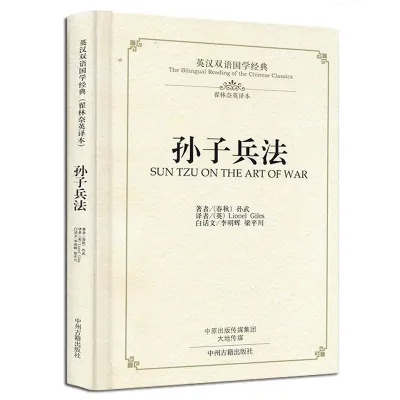
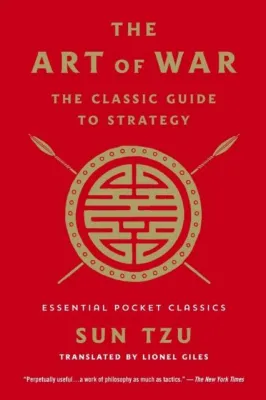
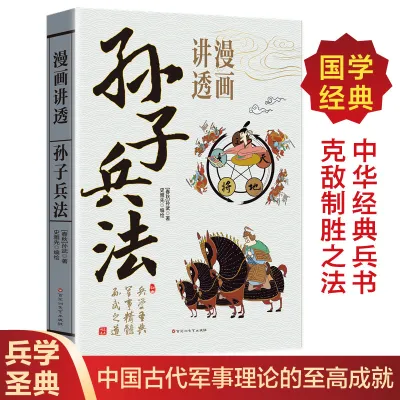
Prices are valid at publication and may change. Please refer to the product page for the latest price.
However, a core philosophical difference exists between ancient zero-sum conflict and modern self-actualization. Sun Tzu wrote for an environment where one side’s victory required another’s defeat. Modern personal growth, conversely, often emphasizes collaboration, mutual benefit, and internal peace. Applying these ancient strategies directly without adjusting for this difference can lead to an overly adversarial approach to daily life.
The book is frequently marketed as a “must-read” in success literature, often packaged with sleek, minimalist covers targeting ambitious professionals. To separate genuine value from marketing hype, you must recognize that the text does not contain secret shortcuts to wealth or power. Its true value lies in training your mind to think several steps ahead, rather than offering a quick fix for immediate productivity issues.
Actionable Principles for Modern Personal Growth
The most enduring contribution of the text to modern self-improvement is its emphasis on strategic planning and resource management. Sun Tzu famously advocates for winning without fighting, suggesting that the highest form of victory is to overcome obstacles through preparation and positioning rather than direct, exhausting conflict. In personal development, this translates to designing your environment to make success inevitable, such as removing distractions from your workspace rather than relying solely on willpower.

Another critical area is emotional regulation. The text warns leaders against making reactive decisions based on anger, pride, or impatience, noting that a general who loses their temper is easily manipulated by the enemy. For modern readers, this serves as a powerful reminder to cultivate emotional discipline. Pausing before responding to a provocative email, avoiding impulsive financial decisions, and managing ego during disagreements are direct applications of this ancient advice.
Self-awareness and environmental assessment form the third pillar of the book’s modern utility. The famous maxim regarding knowing yourself and knowing your enemy applies directly to understanding your personal strengths, weaknesses, and the external conditions you face. In a career context, “knowing the enemy” means analyzing market conditions, understanding the needs of your industry, and recognizing the specific challenges of your role, while self-knowledge prevents you from taking on projects for which you are unprepared.
Limitations: What the Text Will Not Teach You
While the strategic insights are profound, the text has significant limitations when used as a sole guide for personal development. Most notably, it completely lacks any focus on empathy, vulnerability, or modern emotional intelligence. Building healthy relationships, fostering trust, and resolving personal conflicts require a level of emotional openness that a military manual designed to deceive opponents simply cannot provide.
Relying too heavily on this text can foster an adversarial, zero-sum mindset. If you view every colleague as a rival to be outmaneuvered and every negotiation as a battle to be won, you will likely damage your professional relationships and isolate yourself socially. Collaborative team environments and deep personal friendships thrive on mutual support and transparency, which are the exact opposites of battlefield tactics.
Furthermore, the abstract nature of the metaphors requires heavy personal interpretation. The text is written in concise, poetic classical Chinese, consisting of brief aphorisms about fire, water, wind, and terrain. It does not provide actionable daily habits, step-by-step instructions, or scientific evidence to support its claims. If you struggle to translate poetic metaphors into concrete actions, you may find the reading experience more confusing than helpful.
How to Choose the Right Edition for Your Goals
If you decide to purchase The Art of War, choosing the right edition is crucial to getting value from the text. Literal historical translations focus on linguistic accuracy and historical context, which is excellent for academic study but can make the strategic lessons harder to extract. On the other hand, modern adaptations heavily tailored for business or self-help often strip away the historical context entirely, sometimes distorting the original meaning to fit modern corporate jargon.
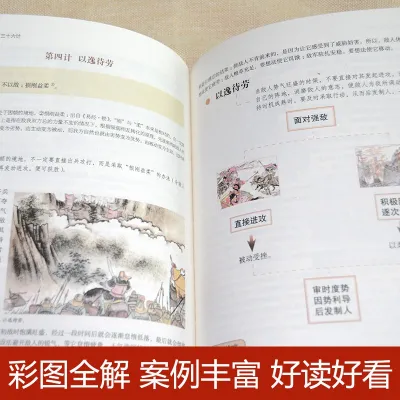
To get the best of both worlds, look for an edition that includes comprehensive contextual footnotes and commentary. These annotations help decode ancient metaphors, explaining what terms like “nine terrains” or “using spies” meant in antiquity and how those concepts translate to broader strategic principles. Reading a well-annotated version ensures you do not misinterpret the text’s core messages.
Before making a purchase, verify the specific edition, language, medium or file format, regional restrictions, device compatibility, content completeness, and authorized source. Never infer the contents of an edition solely from its title or cover art, as some versions may be heavily abridged or lack critical annotations. If you prefer deep study, highlighting passages, and cross-referencing notes, a physical paperback or hardcover is highly recommended. If you prefer high-level conceptual absorption during a commute, an audiobook format can work well, provided the narrator’s pacing allows you time to reflect on the dense aphorisms.
When to Skip It and Choose Modern Alternatives
There are many scenarios where your primary self-improvement goals are better served by contemporary frameworks. If you are struggling with procrastination, time management, or building healthy daily routines, books rooted in modern behavioral science, neuroscience, or habit formation will be far more practical. These modern works offer empirical evidence and structured exercises that you can apply immediately to your life.
Instead of treating The Art of War as a primary, standalone self-help guide, it is best positioned as a supplementary philosophical text. It should be read to expand your mental models and cultivate long-term strategic patience, rather than to solve immediate operational problems in your daily routine.
A balanced reading list should pair ancient strategy with modern tactical execution. For example, you might read Sun Tzu to understand the high-level philosophy of conservation of energy and strategic positioning, while simultaneously reading a modern book on habit design to handle the day-to-day mechanics of personal change. This combination ensures you have both the macro-level vision and the micro-level tools necessary for sustained personal growth.
Frequently Asked Questions (FAQ)
Is the original text too difficult for beginners to understand?
The core text of the book is actually very short and can easily be read in a single sitting. However, the difficulty lies not in reading the words, but in interpreting the ancient metaphors and historical references. Beginners often find the text confusing without context. To overcome this, start with an edition that features modern commentary, chapter introductions, or explanatory footnotes to bridge the historical gap and make the lessons immediately clear.
Does the book apply more to career strategy or personal relationships?
The book applies far more effectively to career strategy, negotiation, and competitive professional environments. Its principles of resource preservation, careful planning, and understanding market conditions translate well to navigating corporate structures or running a business. Conversely, applying these strategic, sometimes deceptive tactics to personal relationships is generally counterproductive, as healthy personal connections require empathy, vulnerability, and open communication rather than strategic maneuvering.

Community discussion
Share your experience or ask a question. Comments are reviewed before publication.