
The Casio CT-S1 has emerged as a popular option for aspiring musicians, but determining whether it is the right instrument for your specific musical journey requires looking closely at your personal goals, space constraints, and practice habits. As a compact, minimalist keyboard, it aims to balance simplicity with functional design, making it highly appealing for those starting out. However, a beginner’s success depends heavily on how well an instrument’s key action, sound engine, and connectivity align with their learning path. By evaluating these core features against your daily routine, you can make an informed decision that supports your progress over the long term.
How to Tell if the Casio CT-S1 Fits Your Learning Goals
When starting your musical journey, the physical feel of the keys is one of the most critical factors to consider. The Casio CT-S1 features touch-sensitive keys, which means the volume changes depending on how hard or soft you strike them. This touch response is essential for developing basic musical expression and dynamics. However, it is important to note that these keys are semi-weighted rather than fully weighted. If your primary goal is to transition eventually to a traditional acoustic piano, you will eventually need to adapt to the heavier, hammer-action keys found on acoustic instruments or high-end digital pianos.
For many beginners living in Singapore, space is a premium commodity. Standard HDB flats and condominiums require furniture and instruments that respect the limits of shared living areas. The compact footprint and lightweight design of this keyboard make it exceptionally easy to set up on a small desk, place on a slender stand, or store away in a closet when not in use. If you need an instrument that can easily move between a bedroom and a living room without requiring a dedicated, permanent corner of your home, a portable keyboard of this size offers a practical solution.
Products mentioned in this guide
![Casio CT-S1 Digital Keyboard [FREE X-STAND] Portable 61 Keys Musical Instrument for Beginners](https://img.lazcdn.com/g/p/70d2952777c0faa1d5c43d84321fe320.jpg_400x400q80.jpg_.webp)
![CASIO CT-S1 Keyboard [FREE: X-stand] (Assorted Colors) ( CTS1 ) 61 keys Portable Digital Electronic](https://img.lazcdn.com/g/p/ed57c1a5cea4305bb7d060235e15365a.jpg_400x400q80.jpg_.webp)
](https://img.lazcdn.com/g/p/8e20921ce76b81e0d464dc9a821449cd.jpg_400x400q80.jpg_.webp)
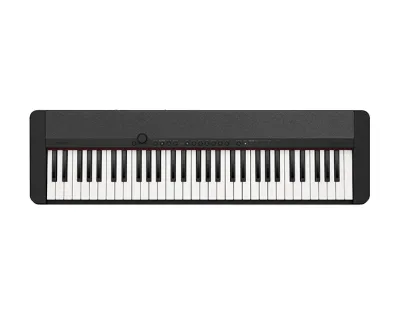
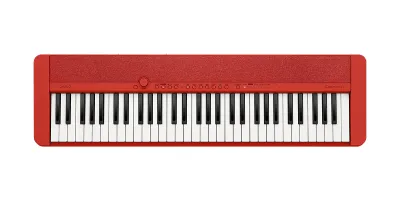
Prices are valid at publication and may change. Please refer to the product page for the latest price.
Your musical style also dictates whether this instrument fits your needs. If you are drawn to casual playing, learning popular songs, or exploring modern synth sounds, a portable keyboard provides an engaging and versatile platform. The variety of built-in tones allows you to experiment with different genres, keeping practice sessions fresh and motivating. Conversely, if you are pursuing a strict classical curriculum that demands complex finger techniques and a wide dynamic range, you may find that a dedicated digital piano with fully weighted keys is a more suitable long-term investment.
Essential Specifications to Verify for Foundational Practice
Before committing to any keyboard, you must verify its technical specifications to ensure it can support your educational milestones. The first detail to check on the manufacturer’s official specification sheet is the key count. The Casio CT-S1 features 61 keys, which is standard for portable keyboards. While 61 keys are more than sufficient for learning basic scales, chords, and early beginner pieces, they do not cover the full 88-key range of a standard piano. As you progress to intermediate classical repertoire or complex jazz arrangements, you will eventually run out of keys on both the lower and upper ends of the board.

Another critical specification to examine is polyphony, which refers to the maximum number of notes the keyboard can play simultaneously. When you play chords while holding down a sustain pedal, the instrument must process multiple notes at once. If the polyphony limit is too low, older notes will be cut off abruptly, resulting in a thin and unnatural sound. You should verify the polyphony rating on the official product page to ensure it is high enough to handle sustained chords and expressive passages without dropping notes during your daily practice.
Self-guided study requires a reliable set of built-in tools to help you keep time and track your progress. A built-in metronome is indispensable for developing a steady sense of rhythm, and you should confirm that this feature is easily accessible on the control panel. Additionally, check the compatibility of the keyboard with educational applications. Many modern keyboards allow you to connect a tablet or smartphone to access interactive lessons, visual sheet music, and gamified practice routines. Verifying these digital integrations beforehand ensures you have the right tools to support your learning style.
Evaluating Sound Output and Daily Practice Features
The quality of the sound you hear during practice directly influences how long you will want to sit at the keyboard. You should check the specifications of the built-in speakers, paying attention to their wattage and physical placement on the chassis. In a typical bedroom or living room, the speakers need to deliver clear, undistorted sound at low to moderate volumes. Well-designed speaker placement helps project the sound toward your ears, creating a more immersive playing experience even when the instrument is positioned close to a wall.
In shared living spaces, silent practice is often a necessity to maintain harmony with family members or neighbors. You must verify the headphone connectivity options on the back of the keyboard. Check whether the headphone jack is a standard 3.5mm mini-jack or a larger 6.35mm stereo jack, as this determines whether you will need an adapter for your existing headphones. Using high-quality headphones not only prevents you from disturbing others during late-night practice sessions but also allows you to hear the subtle nuances of the instrument’s sound engine more clearly.
While entry-level keyboards often boast hundreds of different sound effects, beginners should focus on the quality of the core acoustic piano tones. A high-quality primary piano sound encourages expressive playing and helps you develop an ear for proper tone color. When reviewing the product specifications, look for details regarding the sound source technology used to generate the acoustic piano samples. A balance of a few highly detailed, realistic instrument tones is generally far more beneficial for foundational learning than a vast library of low-quality synthetic sounds.
Making Your Final Decision: Who Should Choose the CT-S1
To make your final decision, you should match the verified profile of the keyboard to your specific household dynamics and musical aspirations. This instrument is highly suited for casual hobbyists, adult beginners testing their interest in music, and young learners who need an accessible starting point. Its portability and straightforward interface remove the friction of setting up, making it easier to build a consistent daily practice habit. For households where space is limited and flexibility is key, it offers an excellent balance of functionality and convenience.
However, if you are certain of your commitment to long-term piano study, you should carefully weigh the benefits of investing in a fully weighted 88-key digital piano from the start. While a larger digital piano requires a higher initial budget and a permanent spot in your home, it provides the authentic key resistance and full range necessary for advanced classical training. Choosing the right instrument involves recognizing these trade-offs and deciding whether a portable, semi-weighted keyboard fits your current lifestyle or if a heavier, more traditional option is required.
Finally, before finalizing your purchase, take the time to verify the current local pricing and package options available in Singapore. Retailers often offer bundles that include essential accessories such as a sturdy keyboard stand, an adjustable bench, or a sustain pedal. Be sure to check the official warranty terms provided by authorized local distributors to protect your investment against manufacturing defects. Comparing these package details and verifying what is included in the box will ensure you have everything needed to begin playing the moment your new keyboard arrives.
Frequently Asked Questions (FAQ)
Does the Casio CT-S1 come with a sustain pedal in the box?
When purchasing this keyboard, you should carefully check the official box contents listed by your local retailer or distributor. In many regions, entry-level keyboards do not include a sustain pedal as a standard accessory, meaning you may need to purchase one separately. Verifying the package details beforehand helps you budget accurately for this essential tool, which is required for sustaining notes and playing expressive music.
Can I use batteries to power the keyboard for outdoor or flexible use?
Yes, you can power this keyboard using batteries, making it highly portable for outdoor use or spaces without easy access to a wall outlet. To ensure uninterrupted play, you should check the manufacturer’s official specification page to verify the exact size and quantity of batteries required, as well as the estimated battery life under normal playing conditions.
Does the keyboard support MIDI connectivity for music software?
This keyboard supports MIDI connectivity, allowing you to connect it to a computer, tablet, or smartphone for use with music production software and educational apps. You should check the official connection ports on the back of the instrument to determine whether it uses a standard USB-to-Host port or requires a specific Bluetooth MIDI adapter to establish a wireless connection.

Community discussion
Share your experience or ask a question. Comments are reviewed before publication.