
Deciding whether to invest your time in a literary classic can be a daunting task, especially when the book in question spans over a thousand pages. Alexandre Dumas’s masterpiece of betrayal and retribution remains a cornerstone of Western literature, but its massive scale requires a clear understanding of what you are signing up for before cracking the spine. For readers who appreciate deep thematic exploration but prefer narratives closer to home, the vibrant world of Singaporean historical fiction offers compelling alternatives that match the epic scope and emotional weight of the classics.
Evaluating this literary commitment involves weighing your personal reading habits against the unique demands of 19th-century serial fiction. By examining the core themes of justice, social mobility, and historical destiny, you can determine whether to embark on this classic journey, pivot to local literature, or design a reading plan that embraces both worlds.
Is The Count of Monte Cristo the Right Commitment for You?
Before embarking on this literary journey, it is essential to evaluate your current reading habits and time availability. The unabridged version of this classic is an exceptionally long novel, often requiring thirty to forty hours of focused reading. If your daily schedule only allows for brief, interrupted reading sessions during a busy commute, maintaining momentum through the book’s intricate plotlines can prove challenging.
Products mentioned in this guide
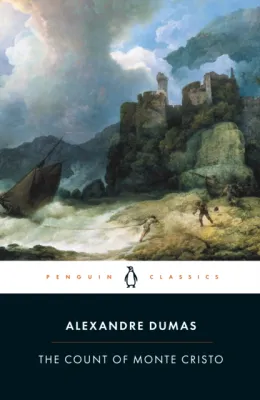
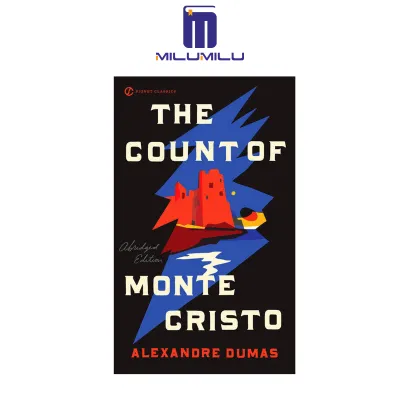
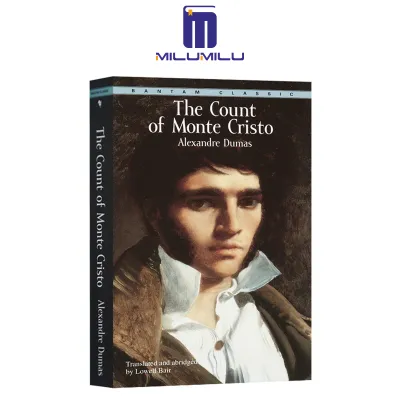
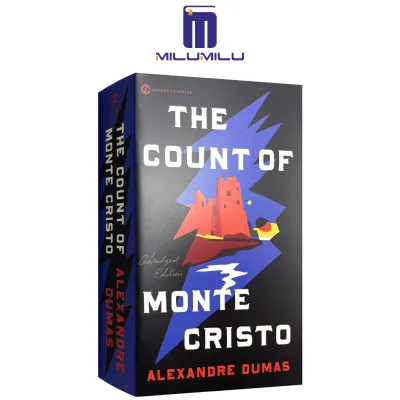
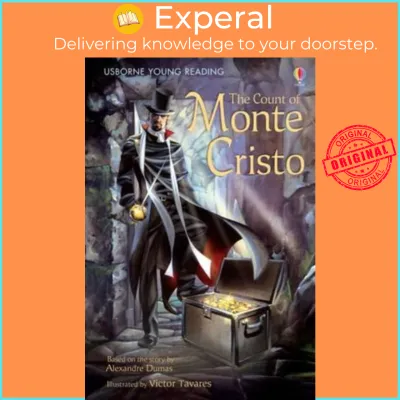
Prices are valid at publication and may change. Please refer to the product page for the latest price.
This novel is a slow-burn narrative that relies heavily on extensive historical subplots and detailed world-building. Because it was originally published as a newspaper serial, the story takes deliberate detours to flesh out minor characters and establish the political atmosphere of post-Napoleonic France. Readers who thrive on rapid, action-oriented pacing may find these descriptive passages and political intrigues slow, while those who enjoy immersive, atmospheric storytelling will find them deeply rewarding.
Character development in this epic is a long-term investment rather than a source of immediate gratification. The protagonist’s transformation from a naive young sailor into a cold, calculating agent of vengeance unfolds over several decades. Appreciating this transformation requires patience, as the narrative spends hundreds of pages setting up elaborate schemes that only pay off in the final chapters.
Finally, consider your comfort level with older narrative styles and linguistic structures. The prose reflects the literary conventions of the 19th century, which can feel dense or formal to modern readers. Navigating these stylistic hurdles often requires choosing well-annotated editions or modern translations that preserve the story’s dramatic tension while ensuring the dialogue remains accessible.
Identifying the Core Themes You Want in an Alternative
To find comparable modern or local literature, it helps to isolate the specific thematic elements that make the classic so compelling. The primary draw for most readers is the meticulous execution of revenge and the psychological consequences of wrongful imprisonment. The story examines how prolonged suffering and isolation can warp a person’s moral compass, turning a victim into an obsessive figure who struggles to find peace even after achieving retribution.

Another central theme is extreme social mobility and the corrupting influence of sudden wealth. The narrative details how a mysterious fortune allows an outsider to reinvent himself and infiltrate the highest levels of elite society. This transition exposes the hypocrisy, greed, and moral decay of the ruling class, showing how status and money are often used to mask past crimes and systemic injustices.
Furthermore, the story relies on a sweeping historical backdrop to shape the personal destinies of its characters. The political upheavals of the era are not merely passive scenery; they are active forces that drive the plot, create opportunities for betrayal, and force characters to make difficult moral choices to survive. This intersection of personal struggle and national history is a hallmark of epic storytelling.
When searching for alternative reads, these core themes serve as an excellent benchmark. Whether you are looking for stories of personal vengeance, critiques of class disparity, or narratives set against times of major societal transition, identifying these preferences will guide you toward modern works that deliver the same emotional and intellectual satisfaction.
Finding Singaporean Fiction with Similar Epic Depth
For readers seeking these grand themes within a local context, Singaporean literature offers a rich selection of historical epics and multi-generational family sagas. The nation’s rapid transition from a colonial trading post through the trauma of the Japanese Occupation to a modern global hub provides a dramatic historical canvas comparable to the political shifts of 19th-century France. Local authors frequently use these turbulent periods to explore survival, identity, and personal destiny.
To discover these works without relying on guesswork, readers can utilize several structured resources. The Singapore Literature Prize, organized biennially by the Singapore Book Council, is an excellent starting point. Reviewing past winners and shortlisted titles in the English Fiction category will lead you to highly acclaimed, long-form narratives that grapple with the complexities of Singapore’s social and political history.
Another valuable resource is the National Library Board’s curated collections. By visiting the physical Singapore collection at the National Library on Victoria Street or browsing the digital “SingLit” recommendations on the NLB Mobile application, you can easily locate historical fiction. These curated lists often categorize books by historical eras, allowing you to find stories set during specific periods of social upheaval.
Additionally, exploring the catalogs of independent local publishers and academic presses can yield outstanding results. Publishers such as Epigram Books, Ethos Books, and Landmark Books actively champion local voices who write about systemic struggles, class divisions, and the psychological impact of historical displacement. These publications offer a nuanced look at how individuals navigate rapidly changing social landscapes, mirroring the class critiques found in classic European literature.
Deciding Your Reading Path: The Classic, Local Fiction, or Both?
If you decide to tackle the classic, adopting a structured reading strategy can make the massive page count highly manageable. Setting a daily goal of fifteen to twenty pages, rather than attempting to read in massive blocks, helps maintain steady progress without causing reader fatigue. Joining a local reading group or utilizing online tracking tools can also provide the community support and accountability needed to finish the book.
Alternatively, pairing the classic with a Singaporean historical novel offers a fascinating comparative reading experience. This approach allows you to contrast 19th-century European romanticism with the pragmatic, community-focused survival themes often found in Southeast Asian literature. Observing how different cultures and eras depict social mobility, family honor, and personal sacrifice can greatly enrich your overall literary appreciation.
If you find that the dense political subplots of the French Restoration begin to stall your reading momentum, do not hesitate to pivot to a contemporary local novel. Switching to a shorter, modern work with familiar geographical and cultural landmarks can refresh your focus while keeping you engaged with similar themes of justice and societal change. Ultimately, your reading path should align with your personal goals, whether that means conquering a foundational classic, exploring the depth of local writing, or enjoying the best of both worlds.
Frequently Asked Questions (FAQ)
What should I look for in an English translation of the classic?
When choosing an edition, the most critical decision is selecting between an abridged and an unabridged version. Unabridged translations preserve the complete narrative, including all historical subplots and character developments, whereas abridged versions streamline the plot for faster pacing but sacrifice depth. Additionally, look for modern translations, such as the version by Robin Buss, which are highly regarded for maintaining the natural flow and dramatic tension of the original French text while avoiding the archaic, heavily censored phrasing found in older Victorian translations.
How can I find award-winning Singaporean historical epics?
To find highly acclaimed Singaporean historical fiction, consult the official archives of the Singapore Literature Prize on the Singapore Book Council website, focusing on the English Fiction category. You can also utilize the National Library Board’s digital resources, which feature dedicated search filters and curated reading guides for local literature. Visiting independent local bookstores or browsing the online catalogs of Singaporean publishers like Epigram Books will also connect you directly with award-winning novels that explore the nation’s rich historical and social tapestry.

Community discussion
Share your experience or ask a question. Comments are reviewed before publication.