
Deciding whether to purchase Ikigai: The Japanese Secret to a Long and Happy Life by Héctor García and Francesc Miralles depends heavily on what you hope to get out of it. If you are seeking a gentle, philosophical introduction to mindfulness, longevity, and daily balance, this book is highly worth reading. However, if you are looking for a highly structured, step-by-step career planning manual with concrete financial strategies, you may find it lacking. Understanding what the book actually delivers will help you make an informed choice before spending your time and money.
In a fast-paced society where professional achievements and personal productivity are highly emphasized, finding a sense of purpose can feel like an overwhelming task. Many readers turn to self-improvement literature in search of a clear roadmap to navigate their careers and personal lives. The “Ikigai” book has gained global popularity by promising to share the secrets of a long, happy, and purposeful life. This review aims to provide an honest, practical evaluation of the book’s content, helping you determine if it aligns with your current self-improvement goals.
What the Ikigai Book Actually Teaches (Core Concepts vs. Hype)
Many readers pick up this book expecting a deep dive into the famous four-circle Venn diagram that intersects what you love, what you are good at, what the world needs, and what you can get paid for. Interestingly, this diagram is actually a Westernized adaptation rather than the traditional Japanese concept of ikigai. The book itself does not focus heavily on this diagram as a career-mapping tool, which is a common misconception for first-time buyers. If you are purchasing the book solely to fill out this diagram and find a new job, you may find that the content does not match your expectations.
Products mentioned in this guide
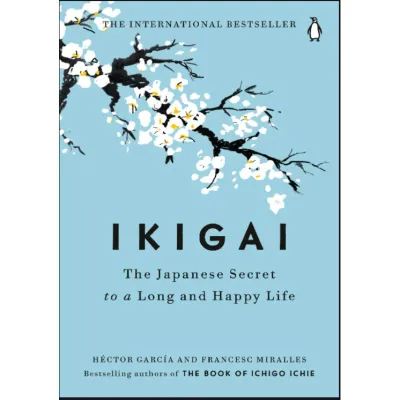
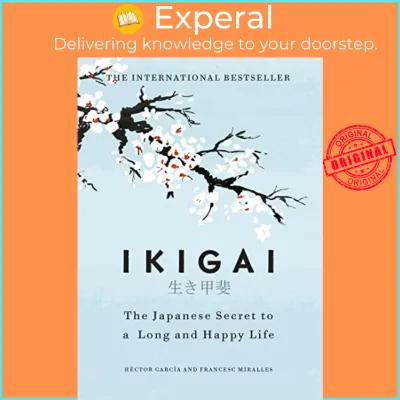
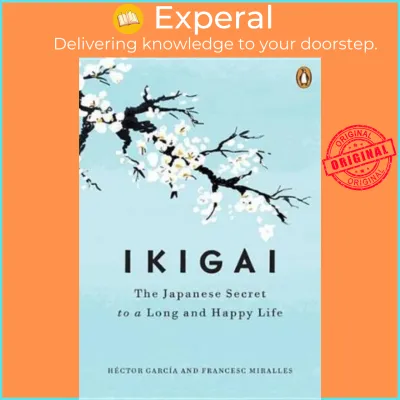
![EBOOK Ikigai-the Japanese secret to a long and happy life [Full Version]](https://img.lazcdn.com/g/p/f644556b10aa795372f8b2e1351f9ba6.jpg_400x400q80.jpg_.webp)
![EBOOK The Ikigai Journey A Practical Guide to Finding Happiness and Purpose the Japanese Way [Full Version]](https://img.lazcdn.com/g/p/08da4adbe7a2765ffa3aa34a1ecdca89.jpg_400x400q80.jpg_.webp)
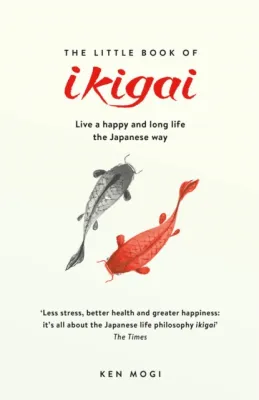
Prices are valid at publication and may change. Please refer to the product page for the latest price.
Instead, the authors focus on the traditional Japanese meaning of ikigai, which translates closely to “a reason for being” or finding joy in small, daily routines. The narrative centers on the lifestyle habits of the residents of Okinawa, Japan, a region known for its high concentration of centenarians. Rather than offering corporate career advice, the text explores how community, gentle movement, diet, and a slow-paced approach to life contribute to longevity. The authors spend a significant portion of the book detailing the daily routines, social connections, and nutritional habits of these long-lived individuals.
By shifting the focus from professional ambition to holistic well-being, the book teaches readers how to cultivate mindfulness and resilience. It emphasizes the importance of staying active, connecting with others, and finding flow in everyday tasks. The authors introduce concepts such as “hara hachi bu” (eating until you are eighty percent full) and the benefits of low-intensity physical activity like yoga or tai chi. If you are looking for a guide on how to live a more balanced, stress-free life, these concepts offer valuable perspective.
Who Will Find Practical Value in This Book?
This book is particularly beneficial for individuals experiencing burnout or feeling overwhelmed by the relentless pace of modern life. In a fast-paced environment where professional success is often prioritized above personal well-being, the book serves as a gentle reminder to slow down. It offers a refreshing perspective for those who want to redefine what a successful and fulfilling life looks like. By focusing on longevity and daily happiness rather than financial wealth, it helps readers find contentment in their current circumstances.

If you prefer reading materials that are easy to digest, you will likely appreciate the book’s structure. The chapters are short, accessible, and filled with engaging anecdotes, interviews, and philosophical reflections. This format makes it easy to read in short segments, such as during a daily commute or right before bed, without requiring intense cognitive effort. It is an excellent choice for casual readers or those who want a relaxing book to unwind with at the end of a busy day.
Additionally, the book is highly suited for anyone looking to introduce small, mindful habits into their daily routine. Rather than demanding massive lifestyle overhauls, it encourages manageable changes, such as practicing light stretching, eating mindfully, and nurturing local friendships. These small adjustments can be easily integrated into a busy schedule to help manage daily stress. For readers who want to make gradual, positive changes to their lifestyle, the book provides a supportive and encouraging starting point.
When to Skip the Ikigai Book (Limitations to Consider)
While the book has broad appeal, it is not a universal fit for every reader. If you are currently searching for a highly actionable, data-driven guide to help you navigate a major career transition, this book will likely disappoint you. It does not provide resume tips, networking strategies, or structured exercises to help you identify a new professional path. Readers looking for a rigorous, step-by-step career coaching manual should look for books specifically dedicated to professional development.
Furthermore, readers who have already consumed a significant amount of self-help literature, stoic philosophy, or mindfulness guides might find the content somewhat repetitive. The concepts of living in the present moment, maintaining a healthy diet, and staying active are widely covered in other wellness books. For seasoned readers of the genre, the insights presented here may feel overly simplistic or familiar. The book does not offer groundbreaking scientific discoveries or complex psychological theories, choosing instead to focus on simple, time-tested wisdom.
It is also important to note that the book lacks localized financial or practical advice for making major life pivots in a high-cost living environment. The lifestyle of a rural Okinawan village cannot be directly copied into a bustling metropolis without significant adaptation. If you need concrete financial planning advice to support a career change or manage high living costs, you will need to look for supplementary resources. The book’s philosophical approach may feel disconnected from the practical realities of urban life for some readers.
How to Decide If It Is Worth Your Purchase
To determine if this book is worth your money, start by assessing your current reading goals. If you are looking for a comforting, philosophical guide that encourages self-reflection, this book is an excellent investment. However, if you are specifically looking for a rigorous workbook with practical exercises and templates, you might want to explore other titles instead. Clarifying your expectations beforehand will help prevent buyer’s remorse.
Next, compare the retail price in S$ at local bookstores or online marketplaces against your personal budget for self-improvement materials. Since prices can vary depending on whether you choose a physical copy or a digital edition, checking multiple platforms can help you find the most cost-effective option. If you are on a tight budget, spending money on a relatively short read might require careful consideration. You should evaluate whether the potential insights justify the financial outlay for your specific situation.
Fortunately, there are low-risk ways to evaluate the book before committing to a purchase. You can check the availability of physical or digital copies at public libraries in Singapore to borrow the book for free. Alternatively, many online book retailers offer free sample chapters, allowing you to read the first few pages to see if the authors’ writing style and tone resonate with you. Taking advantage of these resources allows you to make an informed decision without any upfront financial commitment.
Frequently Asked Questions (FAQ)
Is the Ikigai book available in different formats?
Yes, the book is widely available in several formats to suit different reading preferences. You can find it in hardcover, paperback, digital e-book, and audiobook formats through major book retailers and online platforms. Before purchasing a digital version, ensure it is compatible with your e-reader or device, and listen to a sample of the audiobook to confirm you enjoy the narrator’s voice and pacing. Choosing the right format can significantly enhance your overall reading experience.
How long does it take to read the Ikigai book?
Because the book is relatively short and written in an accessible, conversational style, most readers can finish it within a few hours. However, rushing through the pages may limit your ability to absorb the concepts. A better approach is to read one short chapter at a time, allowing yourself space to reflect on the ideas and consider how you might apply them to your own daily routine. Pacing your reading helps you integrate the book’s lessons more effectively into your life.

Community discussion
Share your experience or ask a question. Comments are reviewed before publication.