
Deciding whether to invest your time and money in Peter Attia’s “Outlive: The Science and Art of Longevity” requires looking past the massive social media hype. For readers in Singapore, where life expectancy is among the highest in the world but the gap between lifespan and healthspan remains a critical concern, this book offers a compelling framework. However, its true worth depends heavily on your willingness to engage with dense scientific concepts, your current health baseline, and your readiness to implement long-term preventive strategies rather than seeking quick, effortless fixes.
This review evaluates whether the book delivers practical, actionable value for your personal healthspan goals. By examining the core concepts, identifying the ideal audience, and analyzing how the recommendations translate to the local lifestyle and healthcare landscape, you can make an informed decision before purchasing a copy.
What Is Outlive Actually About? (Core Concepts vs. Hype)
At its core, the book challenges the traditional medical model, which the author terms “Medicine 2.0.” This reactive approach focuses on treating diseases only after symptoms appear and damage is already done. Instead, the text advocates for “Medicine 3.0,” a proactive paradigm aimed at preventing chronic illnesses decades before they manifest, thereby extending your healthspan—the period of life spent free from debilitating disease.
Products mentioned in this guide
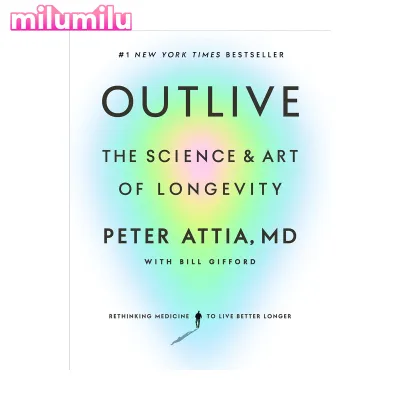
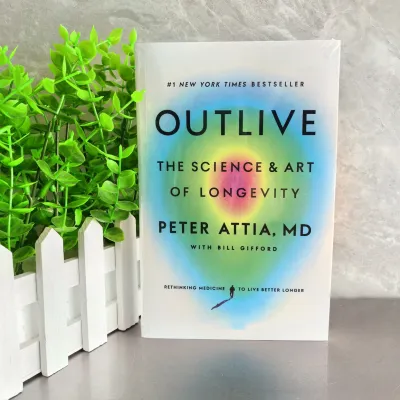
Prices are valid at publication and may change. Please refer to the product page for the latest price.
The narrative structures its preventive strategy around the “Four Horsemen” of chronic illness: cardiovascular disease, cancer, neurodegenerative diseases, and type 2 diabetes or metabolic dysfunction. To combat these, the author explores four main pillars of health: exercise, nutrition, sleep, and emotional health. Rather than offering superficial lifestyle tips, the text dives deep into the physiological mechanisms behind each pillar, explaining how cellular processes and metabolic pathways dictate aging.
Readers should be prepared for a high level of scientific density. The book does not shy away from complex biochemical explanations, medical terminology, or detailed discussions of clinical biomarkers. While this scientific rigor provides credibility, it also establishes a high reading threshold. Navigating chapters on lipid panels, insulin resistance, and mitochondrial function requires focused attention and a willingness to digest academic-style explanations.
Who Should Read Outlive (and Who Should Skip It)?
The book is highly suited for individuals who are proactive about their long-term health and enjoy a data-driven approach to wellness. If you are interested in tracking personal biomarkers, understanding the mechanics of metabolic health, and planning your physical fitness to maintain mobility into your later decades, you will find immense value in this framework. It appeals to readers who appreciate knowing the scientific “why” behind health recommendations.

Conversely, those looking for a quick-fix diet, a rigid workout template, or a simple checklist of daily habits should skip this book. The text deliberately avoids prescribing a one-size-fits-all regimen. If you prefer light, fast-paced self-help books with easily digestible bullet points, the dense prose and lengthy chapters may feel overwhelming and tedious.
Implementing the book’s framework also demands a significant commitment of time, cognitive effort, and potentially financial resources. Translating the broad principles into a personalized routine requires you to analyze your own health data, consult with healthcare professionals, and consistently adjust your daily habits. If you are not ready to take an active, highly personalized role in managing your health, the book may serve as an interesting academic exercise rather than a practical guide.
Evaluating the Practical Value for Singapore Readers
Applying the book’s lifestyle and preventive recommendations requires some adaptation to the local environment. For instance, the nutritional framework heavily emphasizes metabolic health, protein intake, and managing energy balance. Navigating this in Singapore can be challenging due to a vibrant food culture centered around hawker centres, where meals are traditionally rich in refined carbohydrates, sodium, and processed cooking oils. Implementing the book’s principles locally means making conscious adjustments, such as prioritizing lean protein sources at hawker stalls or sourcing specific whole-food ingredients from local supermarkets.
Furthermore, the author strongly advocates for early, aggressive screening, including advanced blood panels, cardiovascular scans, and early cancer screenings. In Singapore, while the public healthcare system is highly efficient, standard preventive screenings at polyclinics typically focus on basic health indicators. Accessing the advanced, specialized tests suggested in the text often requires visiting private health screening clinics or consulting functional medicine specialists, which can result in substantial out-of-pocket costs.
Physical exercise recommendations, particularly Zone 2 cardio and rucking, also require geographical adaptation. Singapore’s tropical climate, characterized by high temperatures and intense humidity, makes outdoor training challenging during the day. Local readers must strategically utilize early mornings or late evenings along the island’s Park Connector Network (PCN), or rely on air-conditioned gym facilities to complete the recommended hours of steady-state aerobic exercise safely.
How to Choose the Right Format and Edition
Selecting the appropriate format depends on your reading habits and how you plan to use the material. The physical hardcover or paperback editions are highly recommended for those who like to highlight text, write notes in the margins, and easily refer back to the various charts, graphs, and anatomical diagrams scattered throughout the chapters. Having a physical copy makes it much easier to study the complex data presented.
If portability is your priority, the e-book format allows you to carry this substantial text easily during daily commutes. E-books also offer the advantage of a search function, which is incredibly useful for quickly locating specific medical terms, biomarkers, or recommendations. However, viewing detailed charts on smaller e-reader screens can sometimes be difficult.
The audiobook format, narrated by the author, is an excellent option for those who prefer listening during commutes or workouts. While the narration is engaging, the technical nature of the content means you may find yourself rewinding frequently to grasp complex points. If you choose the audiobook, ensure you download the accompanying PDF document containing the essential visual aids and charts.
When purchasing, verify that you are buying from authorized local bookstores or reputable online retailers to ensure you receive a complete, high-quality edition. Avoid purchasing unusually cheap copies from online marketplaces, as these are often unauthorized reprints that suffer from poor print quality, missing pages, or illegible diagrams.
Final Verdict: Should You Buy It?
Investing in this book is highly worthwhile if you are genuinely committed to understanding the science of longevity and are prepared to take a long-term, proactive approach to your well-being. The depth of information provided can serve as a valuable reference manual for years to come, provided you have the patience to work through the dense scientific explanations and the resources to pursue personalized health tracking.
If you prefer immediate, simplified action steps or are currently seeking direct medical treatment for an acute condition, you may want to hold off on purchasing the full book. For those on the fence, listening to a podcast interview with the author or reading a detailed summary of the core chapters can help you determine if his communication style and scientific depth align with your learning preferences before you commit to the purchase.
Frequently Asked Questions (FAQ)
Is Outlive too scientific for a casual reader?
The book contains a significant amount of medical terminology and biochemical explanations that can be challenging if you do not have a background in science. However, you do not need to understand every molecular detail to benefit from the book. Casual readers can focus on the practical summaries, real-world case studies, and clear lifestyle principles highlighted at the end of the technical sections.
Does the book provide specific diet plans or workout routines?
No, the book does not contain pre-made meal plans, recipes, or daily workout schedules. Instead, it provides a conceptual framework based on nutritional biochemistry and exercise physiology. You are expected to use these foundational principles to design a customized routine that fits your unique biometrics, physical limitations, and lifestyle preferences.

Community discussion
Share your experience or ask a question. Comments are reviewed before publication.