
Choosing the right self-help book depends heavily on your current mental state, your openness to spiritual concepts, and your immediate personal goals. The Power of Now by Eckhart Tolle is a widely recognized guide designed to help readers quiet an overactive mind, but it is not a universal solution for every situation. If you are looking for highly structured productivity hacks, time-management systems, or step-by-step habit trackers, this book may feel too abstract. However, if you are struggling with persistent overthinking, anxiety about future events, or regret over past experiences, its core message of radical presence offers a profound shift in perspective.
Before spending your money—which typically ranges around S$15 to S$30 depending on the edition in local bookstores or online marketplaces—it is essential to evaluate whether you are ready for its introspective demands. This guide will help you assess your current emotional challenges, your compatibility with spiritual frameworks, and the best format to choose for your reading style.
Identify Your Current Mental and Emotional Challenges
To decide if this book is the right investment for you, start by examining the specific nature of your daily mental struggles. The Power of Now is designed primarily to address the constant stream of involuntary thoughts that many people experience as a form of mental noise. If you find yourself constantly rehearsing future conversations, worrying about upcoming deadlines, or replaying past mistakes, the book’s focus on the present moment directly targets these habits.
Products mentioned in this guide
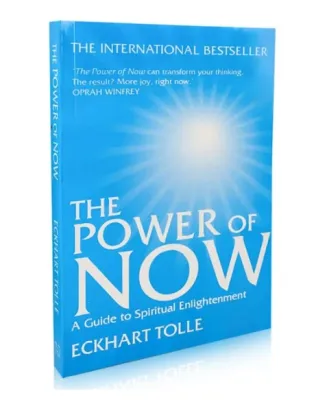
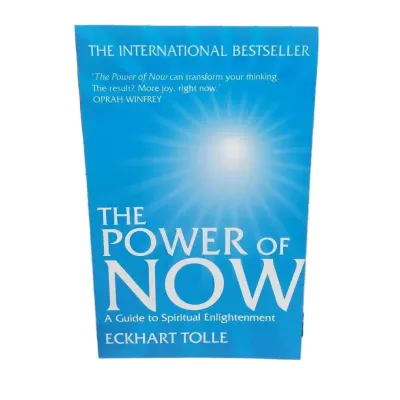
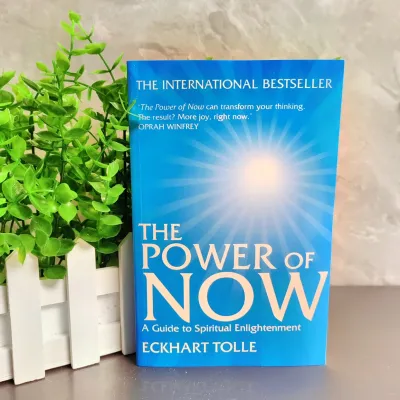

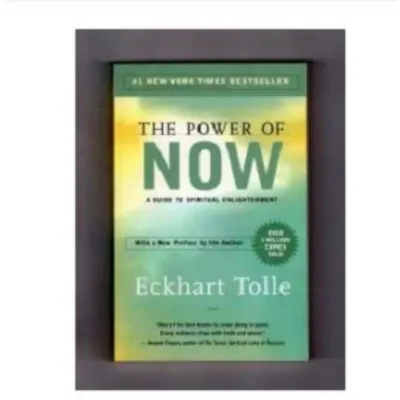
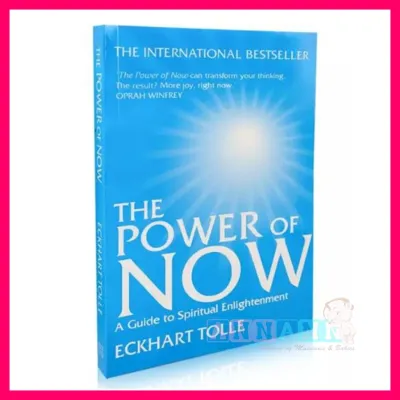
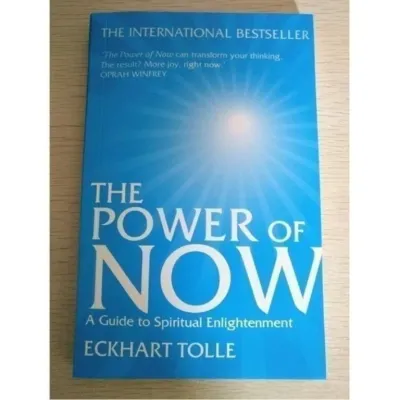
Prices are valid at publication and may change. Please refer to the product page for the latest price.
However, you must distinguish between a desire for mental stillness and a need for structured, actionable life hacks. This text does not offer step-by-step instructions on how to organize your day, manage your time, or boost your career performance. If your primary goal is to optimize your daily routine or build better habits, you will likely find the philosophical discussions frustratingly abstract.
It is also crucial to evaluate the severity and type of stress you are experiencing. The book addresses general existential anxiety, everyday stress, and the psychological patterns that cause self-induced suffering. If you are dealing with clinical conditions such as severe depression, clinical anxiety, or trauma, a spiritual self-help book should not replace professional medical intervention or evidence-based therapy.
Finally, consider your willingness to confront deep-seated psychological patterns. Tolle’s work requires readers to look closely at how they identify with their pain and their ego. This process can be uncomfortable, as it challenges the very stories you tell yourself about who you are. If you are looking for light, comforting reassurance rather than a deep, sometimes unsettling look at your inner workings, you may want to hold off on this purchase.
Assess Your Readiness for Spiritual and Mindfulness Frameworks
Your compatibility with this book also depends on your openness to spiritual and mindfulness terminology. Unlike secular self-help books that rely on cognitive science or behavioral psychology, this text uses a framework that draws heavily on spiritual concepts. You will encounter terms like “the ego,” “the pain-body,” and “unmanifested consciousness” throughout the chapters.

If you prefer strictly secular, science-based literature, these concepts might feel overly mystical or difficult to grasp. The book does not present empirical data, clinical trials, or statistical evidence to support its claims. Instead, it invites you to verify its truths through your own subjective experience and internal observation.
This distinction means you cannot read the book passively if you want to benefit from it. It is not a guide where you can simply check off a daily habit or track your progress on a chart. To engage with the material, you must actively observe your own thoughts in real-time, learning to step back as an impartial witness to your mind’s activity.
If you are in a phase of life where you prefer reflective, paradigm-shifting guidance over concrete action plans, this approach can be incredibly liberating. It offers a way to change your relationship with your thoughts entirely, rather than just trying to think more positive thoughts. However, if you are not ready to commit to this level of introspective work, the concepts may remain purely theoretical and fail to impact your daily life.
When to Look for Alternative Self-Improvement Approaches
There are clear situations where The Power of Now is not the right tool for your current needs, and recognizing these can save you both time and money. For instance, if you are currently in the midst of an acute personal crisis or require immediate, tactical coping mechanisms, a spiritual perspective shift might feel too distant. In such cases, cognitive behavioral therapy (CBT) workbooks or clinical psychology resources are often much more appropriate, as they provide structured exercises to manage acute distress.
Similarly, if you are looking to build specific physical habits—such as improving your sleep hygiene, starting a fitness routine, or managing your personal finances—you should look toward practical habit-building guides. These books focus on external systems and behavioral triggers, which are highly effective for structural life changes but are outside the scope of Tolle’s teachings.
Your intellectual preferences also play a major role in how you will receive this book. If you find yourself highly skeptical of mystical language or spiritual teachings that cannot be peer-reviewed, the tone of the book may cause significant friction. Readers who require empirical evidence and scientific validation to trust a method will likely find more value in books written by neuroscientists or clinical psychologists who study mindfulness from a biological perspective.
How to Evaluate the Book’s Format and Edition for Your Needs
If you decide that the book matches your current needs, the next step is selecting the right format and edition before making your purchase. Because the text deals with subtle spiritual nuances, the language and translation you choose are highly important. If you are purchasing a translated version rather than the original English text, check the publisher’s details and reader feedback to ensure the translation accurately captures the author’s intended meaning without losing the depth of the concepts.
The physical format of the book also affects how you digest the material. Many readers find that a physical paperback or hardcover copy is ideal for this specific book because it allows for easy highlighting, underlining, and writing notes in the margins. The text is structured in a way that often requires you to pause, reflect, and re-read passages multiple times, which can feel more natural with a physical book in hand.
On the other hand, if you prefer reading on the go or have limited shelf space in your home, an e-book version offers excellent portability and searchability. You can still highlight key passages digitally, making it easy to reference your favorite quotes later.
If you are considering the audiobook version, pay close attention to whether the edition is abridged or unabridged. An unabridged audiobook ensures you receive the complete, uninterrupted text, which is crucial for maintaining the flow of the teachings. Listening to the audiobook, especially when narrated by the author, can provide a meditative experience where the pacing and tone of the voice help reinforce the message of presence. However, make sure your daily routine allows you the quiet focus needed to listen attentively, as passive listening while multitasking may cause you to miss the core insights.
Frequently Asked Questions (FAQ)
Do I need prior knowledge of Eastern philosophy to understand the book?
You do not need any prior knowledge of Eastern philosophy, Buddhism, or any specific spiritual tradition to understand the book. While the author draws on universal truths found in various spiritual teachings, the book is written in plain language intended for a modern, general audience. The concepts are explained from the ground up, focusing on direct human experience rather than academic theory or religious dogma.
Is the audiobook version as effective as reading the physical copy?
The effectiveness of the audiobook depends entirely on your personal learning style and how you prefer to process reflective material. The audiobook can be highly effective because the slow, deliberate narration helps create a calm, meditative atmosphere that aligns with the book’s teachings. However, if you find it difficult to concentrate on spoken words without visual cues, or if you prefer to stop and ponder specific sentences, a physical copy or e-book may be a better choice for active study.

Community discussion
Share your experience or ask a question. Comments are reviewed before publication.