
Determining whether the px2281 language learning resource is appropriate for your current proficiency level requires a systematic evaluation of your existing skills against the material’s structural design. Because language resources vary significantly in pacing, vocabulary density, and expected baseline knowledge, purchasing a tool without verifying these factors often leads to frustration. To make an informed decision, you must analyze how the resource presents its content, check its physical or digital specifications, and align its pedagogical focus with your personal learning goals. By taking a methodical approach to assessing both your current capabilities and the structural indicators of px2281, you can avoid choosing a resource that is either too elementary or overwhelmingly advanced.
How to Accurately Assess Your Current Language Proficiency
Before you can determine if px2281 matches your level, you need an objective assessment of your current language skills. Many learners rely on vague self-assessments, such as labeling themselves “intermediate,” which can be highly subjective. A reliable baseline requires evaluating your capabilities across four distinct domains: reading, writing, listening, and speaking.
To begin, evaluate your reading comprehension by reading unassisted texts in your target language, noting how frequently you must look up words. For writing, draft a short paragraph without translation tools, observing where your grammar falters. Listening can be tested by tuning into native-speaker broadcasts to see if you can follow the main ideas. Finally, assess your speaking by expressing a complex thought aloud, paying attention to your hesitation patterns and pronunciation confidence.
Products mentioned in this guide
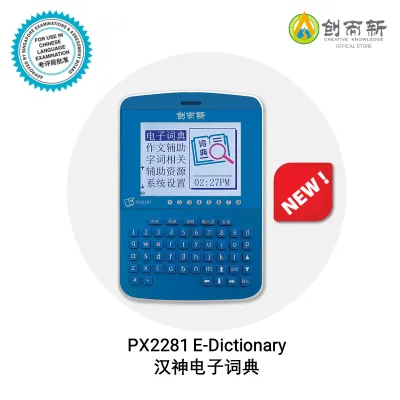
Prices are valid at publication and may change. Please refer to the product page for the latest price.
It is also crucial to recognize the difference between passive comprehension and active language production. You might easily understand a written sentence or a spoken phrase (passive skills) while remaining unable to construct that same sentence yourself during a conversation (active skills). If a resource like px2281 demands active output but your skills are primarily passive, you may find the exercises unexpectedly challenging.
Lastly, identify your specific weak points or knowledge gaps that require targeted practice. Pinpointing these gaps allows you to look for a resource that specifically addresses your weaknesses rather than repeating concepts you have already mastered.
How to Evaluate the px2281 Structure and Difficulty
Once you have established your baseline, inspect the structural elements of px2281 to gauge its actual difficulty. Start by examining the table of contents, chapter progression, and vocabulary lists to understand the density and scope of the material. A well-structured resource should show a logical progression, where each chapter builds incrementally on the previous one without sudden leaps in complexity. Look at the vocabulary lists to see if the words match your current vocabulary size.

Next, review sample pages or introductory chapters to evaluate sentence complexity and the specific grammar focus. Pay close attention to how explanations are delivered; some resources use highly technical linguistic terminology, while others offer intuitive, practical explanations. If the sample pages contain long, complex sentences with minimal translation support, the material is likely intended for advanced learners. Conversely, if the exercises rely heavily on repetitive sentence frames and basic word substitutions, it may be geared toward beginners.
You should also verify the intended audience level and any prerequisites stated on the product packaging, official description, or publisher’s website. Publishers often align their materials with standardized frameworks, such as the Common European Framework of Reference for Languages (CEFR), which categorizes levels from A1 (beginner) to C2 (mastery). If the resource lists specific prerequisites, such as a prior understanding of a particular writing system or basic verb conjugations, ensure you meet those requirements before proceeding.
Aligning px2281 With Your Specific Learning Objectives
A language resource can be excellent in quality but still be the wrong choice if it does not align with your specific learning objectives. Consider what you actually want to achieve with the language, whether it is conversational fluency for travel, academic reading comprehension, professional business communication, or preparation for a standardized exam. Different resources prioritize different skills; for example, a book focused on formal grammar and translation will not help you speak spontaneously in casual social settings.
Evaluate the balance of media formats included with px2281 against your personal learning preferences. If the resource is a physical book, check whether it includes access to accompanying audio tracks, digital workbooks, or interactive online exercises. Audio components are essential if your goal is to improve listening comprehension, while written workbooks are better suited for mastering spelling and grammar. If you prefer learning on the go, a resource relying heavily on physical writing exercises may be less practical.
Additionally, consider the time commitment and study schedule required by the resource’s structural design. Some materials are organized into short, daily micro-lessons that fit easily into a busy schedule, while others require dedicated blocks of time for deep study. Look at the length of the chapters and the complexity of the exercises to estimate how much time you will need to allocate each day or week. Choosing a resource that demands more time than you can realistically commit often leads to abandonment.
Clear Signs That px2281 Is Not the Right Fit for You
Recognizing when a resource is a poor match early on can save you significant time and money. One clear sign that px2281 is not the right fit is if you feel bored or unchallenged by the initial sample materials. While a brief review of foundational concepts can be helpful, a resource that spends too much time on material you already know thoroughly will not help you progress. If you can easily complete the exercises without consulting explanations, the resource is likely too easy.
On the other hand, encountering too many unknown concepts without adequate foundational explanations or scaffolding is a strong indicator that the material is too advanced. If you find yourself looking up every third word in a dictionary or struggling to understand the grammar explanations, the resource will likely cause frustration. A good language learning resource should push you slightly beyond your comfort zone—often referred to as comprehensible input—without making the content completely inaccessible.
Finally, look out for a mismatch between the resource’s dialect, regional focus, or level of formality and your target environment. Languages often have significant regional variations in vocabulary, pronunciation, and grammar. Ensure that the specific variant and tone taught in px2281 align with how you intend to use the language in real life, as learning a highly formal style may not be useful if your goal is casual, everyday communication.
Actionable Steps to Verify px2281 Before You Buy
Before finalizing your purchase, take practical steps to verify the suitability and version accuracy of px2281. Start by viewing digital previews, sample chapters, or promotional excerpts from official publisher channels or authorized online marketplaces. Many distributors offer a “look inside” feature or downloadable sample PDFs that allow you to read through a portion of the text. This hands-on inspection is the most reliable way to assess the layout and overall tone of the material.
Next, cross-reference the edition, language variant, and publication date to ensure the content is current and matches your needs. Language textbooks and resources often go through multiple editions, with newer versions containing updated vocabulary, corrected errata, and sometimes entirely different chapter structures or digital access codes. Verify whether the specific edition you are buying includes all necessary components, such as audio CDs, digital download codes, or answer keys, as some retailers sell student workbooks and teacher guides separately.
Lastly, consult independent reviews or community feedback specifically from other language learners who started at a similar proficiency level. Online language learning forums, study groups, and dedicated review platforms can provide valuable insights into how the resource performs in practice. Look for detailed reviews that describe the learner’s starting point, their study routine, and how well the resource helped them transition to the next level, highlighting potential issues that may not be apparent from the publisher’s description.
Frequently Asked Questions (FAQ)
Can I use px2281 if I am a complete beginner?
To determine if px2281 is suitable for a complete beginner, you must verify whether the initial chapters cover foundational elements such as the alphabet, basic phonetics, and introductory vocabulary. Check the product specifications or table of contents to see if there are absolute beginner modules or if the resource assumes prior knowledge of the language’s writing system. If the material begins immediately with full sentences or complex dialogues without introductory guides, it is likely designed for false beginners or intermediate learners.
What should I do if px2281 feels too advanced after purchasing?
If you find that px2281 is too advanced after you have purchased it, you do not need to discard it. Instead, use it as a long-term reference guide or a goal to work toward while you build your foundational skills. Focus on the introductory review chapters or vocabulary lists, and pair the resource with a simpler bridging tool, such as a basic grammar guide or a language learning app. This allows you to gradually transition back to px2281 as your proficiency improves.

Community discussion
Share your experience or ask a question. Comments are reviewed before publication.