
Whether Mark Manson’s The Subtle Art of Not Giving a Fck* is still worth reading depends entirely on your current mindset and what you expect to gain from personal development literature. If you are navigating a high-pressure environment and feel overwhelmed by the constant demand for relentless optimism, this book offers a refreshing, grounded framework for choosing your struggles. However, if you are searching for a highly structured, step-by-step habit-building system or clinical psychological advice, you will likely find its provocative style overhyped.
In a fast-paced urban landscape where professional and personal expectations run high, finding time for self-reflection is crucial. Many readers pick up this book during their daily MRT commutes or quiet weekends, seeking a practical way to filter out external noise. By understanding what the book actually delivers versus what the marketing promises, you can make an informed decision before spending your time or money on a copy.
What the Book Actually Teaches Beyond the Title
At first glance, the provocative title suggests a philosophy of total indifference or apathy. However, the core premise of the book is the exact opposite. Manson argues that it is impossible not to care about anything; instead, the key to a meaningful life is being highly selective about what you choose to care about. It is an exercise in prioritizing your limited emotional energy for things that truly matter to you, rather than exhausting yourself by trying to please everyone.
Products mentioned in this guide
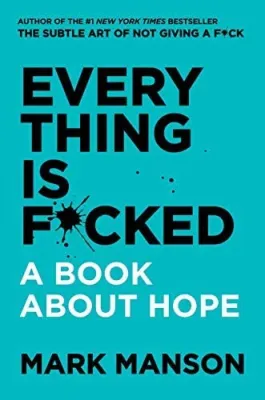
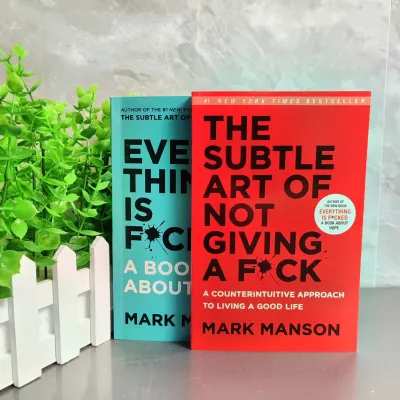
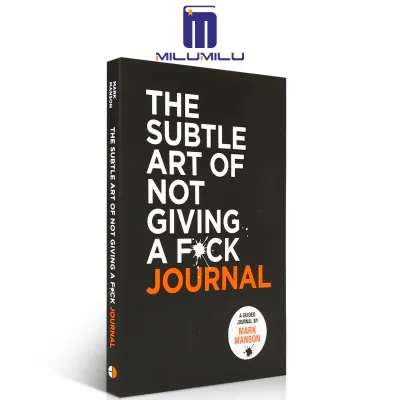
Prices are valid at publication and may change. Please refer to the product page for the latest price.
This approach stands in stark contrast to traditional self-help literature, which often promotes relentless, unrealistic optimism. Rather than telling readers to visualize success or eliminate all negative thoughts, the book encourages accepting that life involves inevitable pain and struggle. The author suggests that true happiness does not come from avoiding problems, but from finding problems that you enjoy solving.
To help readers apply this perspective, the book introduces several practical mental models. One key concept is the feedback loop from hell, which describes the anxiety of feeling anxious or the anger of feeling angry. By accepting negative emotions as natural occurrences rather than failures, you can break this exhausting cycle.
Another vital distinction made is the difference between fault and responsibility. While you may not be at fault for a difficult situation or a sudden setback, you are always entirely responsible for how you choose to respond to it. This shift in perspective moves you from a passive victim mindset to an active, empowered state of agency.
Who Will Benefit Most From This Approach
This book is particularly beneficial for individuals who feel overwhelmed by societal pressures, endless choices, and constant social media comparisons. In highly competitive environments where success is often measured by material achievements, it is easy to fall into the trap of caring about too many superficial metrics. If you find yourself constantly comparing your life to curated online profiles, Manson’s blunt reality check can help you recalibrate your values.

Those who are currently navigating transitions, setbacks, or failures will also find value in this realistic perspective. Instead of offering empty platitudes, the text provides a framework for accepting limitations and embracing the lessons that come with failure. It helps readers understand that suffering is a natural part of growth, which can be incredibly comforting during challenging times.
Additionally, your preference for writing style plays a major role in how much you will enjoy this book. If you prefer a conversational, blunt, and humorous tone over academic, clinical, or overly spiritual texts, this style will likely resonate with you. The author uses personal anecdotes, historical examples, and direct language to deliver concepts that might otherwise feel dry or overly theoretical.
When to Skip It: Limitations and Common Criticisms
Despite its popularity, the book is not a universal fit for every reader. If you are looking for deep, clinical psychological therapy or highly structured, step-by-step productivity systems, you should look elsewhere. The book focuses on broad mindset shifts and philosophical perspectives rather than providing a daily action plan or clinical exercises to manage specific mental health conditions.
Another common point of criticism is the book’s tone and language. The frequent use of strong profanity and highly blunt phrasing can be distracting or unprofessional for some readers. If you prefer a more formal, academic, or gentle tone in your reading material, or if you plan to read in an environment where such language is inappropriate, this book may not be suitable for you.
Furthermore, readers who are already well-versed in Stoicism or Cognitive Behavioral Therapy (CBT) may find the content highly repetitive. Much of the book repackages established philosophical ideas—such as focusing only on what you can control and accepting suffering—for a modern, mainstream audience. If you have already read extensively on these topics, you might find that the book does not offer many new insights.
How to Decide If It Is Right for You
To determine if this book is worth your time, start by assessing your current reading goals. Ask yourself whether you need a broad paradigm shift in how you view success and struggle, or if you require a practical, actionable workbook with daily exercises. If you need the latter, pairing this book with a dedicated habit-tracking journal or looking into structured productivity guides might be a better approach.
Next, consider which format best fits your lifestyle and learning preferences. The audiobook version is narrated by the author, which preserves the intended comedic timing and conversational delivery, making it excellent for listening during long commutes. On the other hand, a physical paperback or digital e-book is far better if you prefer highlighting key passages, taking notes in the margins, and referencing specific chapters later.
Finally, before making a purchase, verify the edition, language, and authorized source of the book. If you are purchasing a translated version, check the publisher’s description to ensure it is a complete, authorized translation rather than an abridged or unauthorized summary. When buying online, stick to reputable local bookstores or verified online marketplaces to ensure you receive a genuine, high-quality print. A standard physical copy typically costs between S$20 and S$30, making it a relatively low-risk investment if the core philosophy aligns with your current personal development needs.
Frequently Asked Questions (FAQ)
Is the audiobook version better than the physical book?
The audiobook version offers a distinct experience because it is narrated by the author, Mark Manson. His direct, conversational, and often comedic delivery matches the tone of the writing perfectly, which can make the concepts feel more engaging during a commute. However, if you prefer to study self-help books by highlighting key passages, taking notes, or easily flipping back to previous chapters, a physical book or digital e-reader format is generally more practical.
Are there any content warnings for this book?
Yes, the book contains frequent strong profanity and discusses mature themes, including personal loss, relationship struggles, and existential challenges. The blunt language is a deliberate stylistic choice used to challenge traditional self-help tropes. If you are sensitive to strong language or are purchasing this as a gift for a younger reader, it is highly recommended to check the publisher’s official description or preview a sample chapter online to ensure the tone matches your comfort level.

Community discussion
Share your experience or ask a question. Comments are reviewed before publication.