
The Yamaha CLP-845 is a premium digital piano that offers an authentic acoustic-like playing experience, making it an exceptional instrument for beginners who are serious about their musical education. However, because it represents a significant financial and spatial investment, deciding whether it is the right choice depends heavily on your budget, available home space, and long-term commitment. By evaluating its key action, sound projection, and practical features, you can determine if this console model matches your learning goals or if an entry-level alternative would better suit your current needs.
Quick Diagnostic: Does the CLP-845 Match Your Learning Goals?
Before committing to a premium digital piano, it is helpful to assess your practice habits and musical aspirations. Ask yourself how many hours a week you plan to dedicate to the instrument and whether you are preparing for formal graded examinations. If you or your child are embarking on a structured classical curriculum, starting with a high-caliber instrument can prevent the development of poor finger techniques that often arise from practicing on unweighted keys.
For serious students preparing for graded exams, such as the ABRSM syllabus, practicing on an instrument that closely mimics the resistance of an acoustic piano is highly beneficial. The transition from home practice to the exam hall becomes much smoother when your fingers are already accustomed to a realistic key weight. This level of consistency helps build the necessary finger strength and control required for advanced pieces.
Products mentioned in this guide
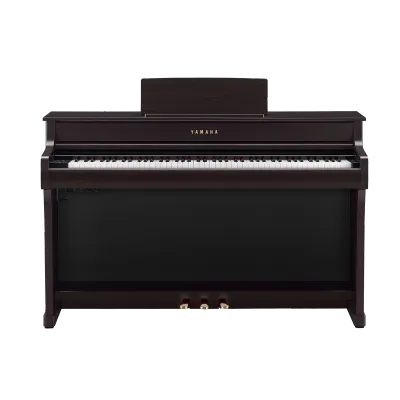
Prices are valid at publication and may change. Please refer to the product page for the latest price.
Conversely, if you are exploring the piano as a casual, self-paced hobby, a premium console model might offer more capabilities than you currently require. Observable signs that you might quickly outgrow a basic keyboard include a lack of touch sensitivity, keys that feel springy rather than weighted, and a lack of progressive pedal control. If you find yourself limited by these factors on an entry-level keyboard, upgrading to a more advanced model is a logical step to support your progress.
Evaluating Key Action: Do You Need Premium Weighted Keys as a Beginner?
The physical feel of the keys is the most critical factor in developing proper piano technique. Acoustic pianos rely on a complex hammer mechanism, which digital instruments attempt to replicate through weighted key actions. When evaluating this model, pay close attention to the key material—specifically the use of wooden white keys—and how the weight simulation mimics the heavier touch of lower notes and the lighter touch of higher notes.

Escapement is another physical characteristic to verify when testing digital pianos. On an acoustic grand piano, this is the subtle “click” or release felt when pressing a key down gently. A digital piano that simulates this sensation allows beginners to practice delicate, quiet passages with greater control, preparing them for the transition to traditional acoustic instruments.
To evaluate these features, visit a physical showroom and perform a simple touch test. Press a key down slowly to feel for the subtle resistance and the simulated escapement point. Play a single note repeatedly at different volumes to check how accurately the instrument translates your finger speed into dynamic sound changes.
Compare this physical feedback directly with entry-level models that use standard plastic weighted keys. Plastic keys often feel lighter and can cause finger fatigue during extended practice sessions because they lack the natural damping and structural density of wood-composite keys.
Sound and Features: Essential Learning Tools vs. Advanced Capabilities
While advanced digital pianos offer a vast array of technical features, beginners should focus on the tools that directly support daily practice. A built-in metronome is indispensable for developing a steady sense of rhythm. Recording functions are equally valuable, allowing you to play back your practice sessions to identify uneven timing or missed notes objectively.
Speaker configuration and acoustic projection play a major role in how inspiring the instrument sounds at home. In typical residential environments, such as compact apartments, sound can easily become muddy or overly bright. Look for models with multi-way speaker systems that project sound both upward and downward, creating a three-dimensional acoustic field that mimics a real piano cabinet.
At the same time, you should identify advanced features that you might not need immediately. Complex sound-shaping parameters, virtual resonance modeling adjustments, and extensive instrument voice libraries are excellent for advanced players but can overwhelm a beginner. Focus first on the primary grand piano voices and ensure they sound natural to your ears before worrying about deep customization menus.
Budget and Space: Planning Your Investment in Singapore
Purchasing a premium console digital piano in Singapore requires careful financial and spatial planning. When calculating the total S$ investment, look beyond the base price of the instrument. Factor in the cost of a height-adjustable bench, high-quality headphones for silent practice, delivery fees, and professional assembly, as console models are heavy and shipped in large, flat-packed boxes.
Before finalizing your purchase, measure your designated room carefully. Console digital pianos have a fixed footprint and cannot be easily folded away like portable keyboards. Consider the depth and width of the cabinet, ensuring there is enough clearance for the player to sit comfortably with proper posture.
The weight of the instrument also dictates placement. Ensure your flooring type can support a heavy cabinet without indentation; using a protective floor mat or caster cups is highly recommended for parquet, laminate, or polished marble floors.
If the upfront S$ investment feels too steep for an unproven hobby, compare this path against renting an acoustic piano or starting with a high-quality, portable weighted keyboard. Renting allows you to test your commitment level with lower initial risk, while a portable keyboard offers a more affordable entry point before you commit to a permanent furniture-style instrument.
Final Verdict: Choosing the Right Path for Your Piano Journey
Investing in the Yamaha CLP-845 is highly justifiable for dedicated beginners who are certain of their long-term commitment, particularly those pursuing classical training or graded examinations. Its authentic key action and sophisticated sound projection ensure you will not outgrow the instrument for many years, making it a highly durable, one-time investment.
However, if you are exploring piano playing as a casual pastime, have severe space constraints, or are working with a strict budget, starting with an entry-level portable digital piano or exploring a rental program is a more practical path. This approach keeps your initial financial exposure low while still allowing you to learn the basics.
To make your final decision, visit an authorized local music retailer to test the keyboard action and listen to the speakers in person. Be sure to verify the local warranty terms, delivery schedules, and after-sales support options provided by the distributor before completing your purchase.
Frequently Asked Questions (FAQ)
Can a beginner easily navigate the control panel and settings?
Yes, but it requires a brief adjustment period. Many modern console digital pianos feature a streamlined side panel with an LCD screen or physical buttons, keeping the area directly above the keys clean and distraction-free. To check the user interface complexity, try navigating the basic menus in a showroom or download the manufacturer’s companion app on your tablet to see if touch-screen control makes adjusting settings more intuitive for you.
Is it necessary to buy additional accessories for a complete beginner setup?
While the piano cabinet usually includes the integrated three-pedal unit and a music rest, you will need a few extra items to practice comfortably. A height-adjustable bench is essential for maintaining correct playing posture, especially for growing children. Additionally, invest in a pair of comfortable, closed-back studio headphones to ensure you can practice at any hour without disturbing family members or neighbors in close residential quarters.
How does this model connect to learning apps and sheet music platforms?
This instrument typically supports both Bluetooth audio and Bluetooth MIDI, allowing you to connect wirelessly to smart devices. This wireless connection lets you stream backing tracks through the piano’s speakers or send your performance data directly to interactive learning apps and digital sheet music readers. To ensure seamless integration, verify the compatibility of your specific tablet or smartphone operating system on the manufacturer’s official website before purchasing.

Community discussion
Share your experience or ask a question. Comments are reviewed before publication.