
Choosing your first digital piano is a milestone decision that shapes your entire musical journey. For beginners in Singapore, the Yamaha P125 often stands out as a highly visible option due to its balance of portability and traditional piano feel. However, determining if this specific model is the right fit for your home requires looking beyond brand reputation. You must carefully evaluate how its physical dimensions, key action, and connectivity align with your living space, practice habits, and long-term learning objectives.
By analyzing your personal environment and learning goals, you can make an informed decision that ensures your investment supports consistent, enjoyable practice. This guide provides a practical framework to assess whether this digital piano matches your needs, focusing on the unique considerations of high-density apartment living and beginner skill development.
Evaluating Space and Silent Practice Needs for Apartment Living
Living in a high-density residential area, such as an HDB flat or a condominium in Singapore, requires careful spatial planning before introducing any new furniture or musical instrument. Unlike acoustic pianos, which demand a permanent and substantial footprint, portable digital pianos offer flexibility. However, you must still measure your designated practice area accurately. Check the official product specifications for the exact width, depth, and height of the keyboard unit. Remember to account for the additional space required for a stand—whether a lightweight, folding metal stand or a dedicated wooden furniture stand—as well as the clearance needed for your bench and your own seating posture.
Products mentioned in this guide
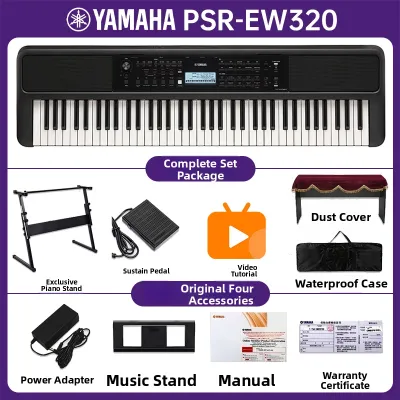
Prices are valid at publication and may change. Please refer to the product page for the latest price.
Beyond physical space, managing sound is a critical consideration for maintaining good relations with your neighbors. High-density living means that sound travels easily through shared walls and floors, especially during late-night or early-morning practice sessions. A digital piano with robust headphone capabilities allows you to practice silently at any hour without disturbing others. When evaluating this model, check the manufacturer’s specifications regarding the headphone output jacks. Many digital pianos feature dual headphone jacks, which are incredibly useful for private lessons where both the student and the teacher need to monitor the audio simultaneously.
To ensure a seamless silent practice experience, verify the connection types on the keyboard’s interface panel. Some models utilize standard 1/4-inch stereo jacks, while others may feature 3.5mm mini-jacks. Knowing this specification beforehand allows you to purchase the correct headphones or a compatible adapter. Additionally, consider investing in open-back or closed-back studio monitor headphones that match the impedance of the piano’s output, ensuring clear, balanced sound reproduction that protects your hearing during extended practice sessions.
Determining if the Key Action Supports Your Learning Goals
The physical feel of the keys, often referred to as the key action, is the most critical factor in developing proper playing technique. For a beginner, practicing on keys that lack realistic resistance can lead to poor finger strength and difficulty transitioning to traditional acoustic pianos. To prevent this, look for instruments that feature weighted or graded hammer action. Graded action simulates the mechanical behavior of an acoustic piano, where the keys in the lower register feel heavier to the touch than those in the higher register. This physical feedback is essential for learning how to control dynamics and expression.

While reading technical specifications is helpful, nothing replaces the experience of testing the key mechanism in person. Plan a visit to a local showroom in Singapore to experience the physical key resistance and key return firsthand. Pay attention to how the keys respond to different levels of finger pressure. Even as a beginner with undeveloped finger strength, you should feel a distinct, comfortable resistance that does not cause strain. Testing the instrument in person also allows you to assess the texture of the keytops, ensuring they offer sufficient grip and do not feel overly slippery during longer practice sessions.
Additionally, verify that the keyboard features a full complement of 88 keys. While smaller 61-key or 76-key keyboards are highly portable, they lack the range required for standard classical repertoire and advanced contemporary pieces. Starting your musical journey with a full-size 88-key instrument ensures that you will not outgrow the keyboard as your skills progress and you begin tackling more complex arrangements.
Verifying Built-in Features and Connectivity for Daily Practice
A digital piano should offer a suite of built-in features that actively support your daily practice routine. A built-in metronome is an indispensable tool for developing a strong sense of rhythm and timing. Beyond the standard acoustic piano sound, having access to a variety of instrument voices—such as electric pianos, organs, and string ensembles—can keep practice sessions engaging and help you explore different musical genres. Check the product manual or official specifications to confirm the variety of available voices and how easily you can select them during a performance.
Modern learning often relies on digital integration, making connectivity options highly important for contemporary students. Look for a USB-to-Host port on the instrument’s connection panel. This interface allows you to connect the digital piano directly to a computer, tablet, or smartphone. Through this connection, you can interact with educational software, interactive learning apps, and digital audio workstations for recording. Before purchasing, visit the manufacturer’s official website to verify operating system compatibility and check if any specific USB drivers are required for your devices.
The built-in speaker system is another crucial element to evaluate based on your room size. For a typical bedroom or study in Singapore, a standard built-in amplification system is usually more than adequate to fill the room with clear sound. However, if you plan to use the instrument in larger living areas or for small group gatherings, check the speaker wattage specifications. If the built-in speakers do not provide sufficient volume, verify whether the piano has dedicated auxiliary line-out ports, which allow you to connect the instrument to external amplifiers or home audio systems without disabling the internal speakers.
Synthesizing Your Requirements to Make a Purchase Decision
To make a final decision, you must synthesize your evaluations of space, key action, and features into a comprehensive purchase plan. Begin by calculating the total investment required in S$. The cost of the keyboard unit itself is only one part of the equation; you must also budget for essential accessories. A sturdy stand is vital for safety and stability, while an adjustable bench ensures you can maintain the correct ergonomic height. Additionally, check if a sustain pedal is included in the box or if you need to purchase a more robust, realistic pedal separately to support advanced pedaling techniques.
This digital piano model is often the ideal choice for beginners who live in space-constrained apartments, require a reliable weighted key action for classical training, and value the ability to practice silently with headphones. However, if you prefer a permanent piece of furniture that matches your home decor, or if you require an ultra-lightweight keyboard for frequent travel, you might want to explore alternative form factors. Weighing these scenarios against your personal lifestyle will clarify whether this model aligns with your long-term goals.
Before finalizing your purchase, outline your next steps to ensure a smooth transaction. Verify the warranty terms offered by authorized local retailers in Singapore, as our humid climate can occasionally affect electronic components over time. Confirm the retailer’s delivery and assembly options, especially if you are purchasing a matching wooden stand that requires construction. By checking local stock and testing the instrument in a showroom, you can proceed with confidence, knowing you have chosen the right foundation for your musical education.
Frequently Asked Questions (FAQ)
Do I need to buy a separate stand and bench?
Yes, you will generally need to acquire a stand and a bench, as they are rarely bundled with the keyboard unit itself. When choosing a stand, consider the trade-offs between a portable metal X-stand and a dedicated wooden furniture stand. Portable stands offer flexibility and are easy to store, but they can wobble during energetic playing. Wooden furniture stands provide superior stability and position the keyboard at the correct acoustic piano height, making them ideal for dedicated practice spaces. Additionally, an adjustable bench is highly recommended over a standard household chair, as it allows you to customize your seating height to maintain proper ergonomic posture and prevent wrist strain.
Can I connect this piano to my computer for recording?
You can connect this digital piano to a computer using a standard USB Type-B to Type-A (or Type-C) cable, typically connected via the USB-to-Host port on the back of the instrument. This connection allows you to transmit MIDI data to digital audio workstations or music notation software, enabling you to record your performances or control virtual instruments. Some modern digital pianos also support bi-directional audio over USB, allowing you to send both MIDI and digital audio through a single cable. Always check the manufacturer’s official support page to download the latest drivers and confirm compatibility with your computer’s operating system.

Community discussion
Share your experience or ask a question. Comments are reviewed before publication.