
The Yamaha P525 is a highly capable, premium digital piano that offers features well beyond the bare minimum required for a beginner. While it provides an exceptional foundation for learning, its advanced key action and high-end sound engine mean it comes with a premium price tag. For a beginner, deciding whether to invest in this model depends on long-term commitment, budget, and specific practice requirements.
While entry-level models exist, starting on a high-quality instrument can prevent the need for an upgrade within a few years. However, beginners must weigh this long-term value against their immediate practical needs and financial comfort.
What Beginners Actually Need in a Digital Piano
A beginner needs 88 fully weighted keys. This layout replicates the full range of an acoustic piano and builds the necessary finger strength and muscle memory. Without weighted keys, transitioning to an acoustic piano later becomes incredibly difficult.
Products mentioned in this guide
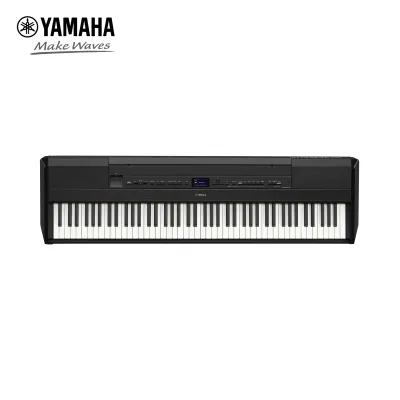
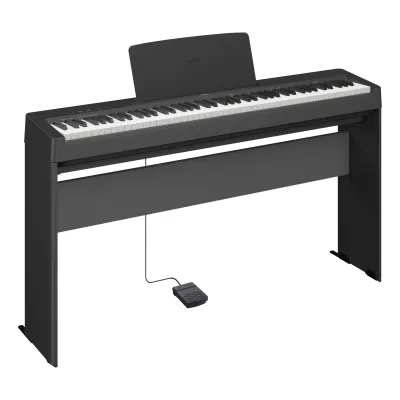
Prices are valid at publication and may change. Please refer to the product page for the latest price.
Adequate polyphony is also essential. Polyphony refers to the number of individual notes or voices the piano can produce at one time. For beginners, adequate polyphony ensures that notes do not abruptly cut off when playing complex chords or using the sustain pedal.
A built-in metronome is indispensable for developing a steady sense of rhythm. Adjustable touch sensitivity allows players to modify how the keys respond to their strike, accommodating weaker beginner fingers before gradually transitioning to a standard acoustic response. Basic recording functions also help students listen back to their practice sessions objectively.
Assessing the Yamaha P525 for Beginner Suitability
To determine if the Yamaha P525 is the right fit, beginners should systematically evaluate its hardware and software specifications against standard learning benchmarks. This involves looking closely at the key action, sound generation, connectivity options, and overall physical design.

By comparing these technical specifications to your personal learning goals, space constraints, and budget, you can make an informed decision that supports your musical journey for years to come.
Key Action and Touch Response
The key action is the most critical component of any digital piano. When researching the Yamaha P525, you should verify the specific key action technology used. The manufacturer’s specifications indicate the use of wooden keys designed to simulate the weight, balance, and natural recoil of an acoustic grand piano hammer.
Beginners should check for adjustable touch sensitivity settings. The P525 offers multiple velocity curves, allowing you to lighten the touch response initially if your fingers tire quickly. As your hand strength and control improve, you can adjust the settings back to a standard weight to mirror an acoustic piano’s natural resistance.
Another physical detail to examine is the key surface finish. Look for keys that feature a textured or synthetic ivory and ebony finish. This texture provides subtle friction, which helps prevent fingers from slipping during long practice sessions, especially in warm or humid climates.
Sound Engine and Audio Quality
Ear training is a fundamental part of learning the piano. A digital piano must produce a realistic, dynamic sound that responds accurately to how hard or soft a key is pressed. You should check the sound engine specifications of the P525, which features high-resolution samples of world-class concert grand pianos, designed to deliver rich tonal variation.
Speaker configuration and wattage are equally important for home practice. Verify the speaker specifications to ensure the built-in amplification system is powerful enough to fill a standard living space without distorting at higher volumes. The P525’s multi-way speaker design is engineered to project sound both upward and downward, creating a more immersive acoustic field.
For those living in shared spaces or apartments, headphone functionality is essential. Confirm that the instrument includes standard headphone jacks and check if it features specialized headphone optimization technology. This technology adjusts the spatial distribution of the sound, reducing ear fatigue during silent practice sessions.
Learning Tools and App Connectivity
Modern digital pianos offer various digital tools to supplement traditional practice. The P525 includes a built-in metronome and a multi-track song recorder, allowing you to record your left and right hands separately to analyze your timing and accuracy. It also features a “Duo” mode, which splits the keyboard into two identical registers so a teacher and student can play side-by-side.
Connectivity options can significantly expand your learning resources. Check the instrument’s specifications for USB-to-Host ports and wireless Bluetooth capabilities. These interfaces allow you to connect the piano to a tablet or computer, enabling integration with educational software and interactive lesson apps.
Finally, verify what accessories are included in the standard retail package. While some bundles include a basic sustain pedal and music rest, you should confirm whether you need to purchase a dedicated stand, a comfortable bench, or a three-pedal unit separately to complete your practice setup.
Signs the Yamaha P525 Might Not Match Your Needs
While the Yamaha P525 is an exceptional instrument, it may not be the practical choice for every beginner. The primary consideration is budget. As a premium portable digital piano, its price point is significantly higher than entry-level models. If you are testing the waters of piano playing and are unsure of your long-term commitment, a more affordable 88-key weighted model might be a safer initial investment.
Another factor is the type of music you wish to play. The P525 is designed primarily as a digital piano, focusing on authentic acoustic piano touch and tone. If you are looking for an arranger keyboard with hundreds of built-in rhythms, auto-accompaniment tracks, and synthesizer controls, you may find the P525’s streamlined interface and classical focus limiting.
Physical space and portability should also be evaluated. Although classified as a portable slab piano, the P525 is relatively heavy due to its wooden key action and robust internal speakers. If you need an instrument that you can easily pack up, carry on public transit, or squeeze into an extremely tight living space, a lighter, more compact entry-level model might suit your lifestyle better.
Pre-Purchase Verification Checklist
Before making a final decision, it is crucial to verify the exact model specifications on the official Yamaha website. This ensures you do not confuse the P525 with older models in the P-series, which may lack the updated key action, sound samples, and connectivity features of this current iteration.
If you are purchasing in Singapore, research local authorized dealers rather than relying solely on unauthorized parallel importers. Buying through official channels ensures you receive a valid local warranty, reliable after-sales support, and access to authorized repair technicians if any issues arise.
Carefully review the product listing to see exactly what is included in the box. Some retailers sell the keyboard unit alone, while others offer bundles that include the matching wooden stand and the three-pedal unit. Knowing what is included helps you calculate the true total cost of your setup.
Frequently Asked Questions (FAQ)
Do I need an external amplifier for the Yamaha P525?
No, you do not need an external amplifier for standard home practice. The Yamaha P525 features built-in speakers designed to deliver clear, balanced sound in typical residential rooms. However, if you plan to perform in larger venues or church halls, you will need to connect the piano to an external keyboard amplifier or a public address (PA) system using the dedicated line-out jacks.
Can the Yamaha P525 connect to online piano lesson apps?
Yes, the P525 can connect to various online piano lesson and music production apps. You can establish a connection using a USB cable connected to your tablet or computer, or wirelessly via Bluetooth MIDI. Before purchasing any third-party educational software, always check the app developer’s official website to confirm compatibility with your specific operating system and the P525.
Is the Yamaha P525 suitable for advanced classical pieces later on?
Yes, the P525 is designed to support players well into advanced levels of classical study. Its wooden key action and sophisticated sensor system allow for rapid note repetition and subtle dynamic control, which are essential for complex classical repertoire. However, as you progress to highly advanced grades, consulting with a qualified piano teacher can help you determine when a transition to an acoustic grand piano may become beneficial for your artistic development.

Community discussion
Share your experience or ask a question. Comments are reviewed before publication.