
Choosing your first musical instrument is a pivotal decision that shapes your entire learning trajectory. The Yamaha PSS-A50 is a highly compact, 37-key mini keyboard designed primarily for portability, basic electronic music production, and casual play. If your goal is to explore sound design, trigger arpeggios, or record MIDI tracks into a computer within a limited workspace, this instrument offers an accessible entry point. However, if you aspire to learn traditional classical piano, master two-handed compositions, or develop standard finger strength, a mini keyboard will quickly feel restrictive, making a full-size digital piano a more suitable starting point.
To determine if this compact instrument aligns with your musical journey, you must evaluate your space, your budget, and your ultimate musical ambitions. Understanding the physical and technical differences between mini keyboards and full-size instruments will prevent frustration and ensure your investment supports your long-term progress.
Assess Your Primary Learning Goal
Before purchasing any keyboard, you must define what “learning to play” means to you. For some beginners, the goal is to play classical pieces, read sheet music, and develop the physical technique required for an acoustic piano. For others, the goal is to produce electronic beats, write songs, or explore synthesizer sounds using digital audio workstations on a computer. These two paths require entirely different tools.
Products mentioned in this guide
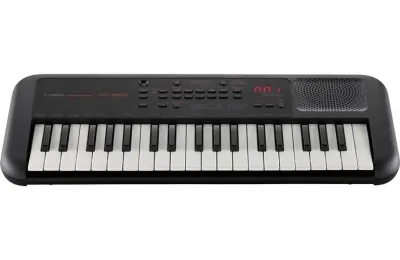
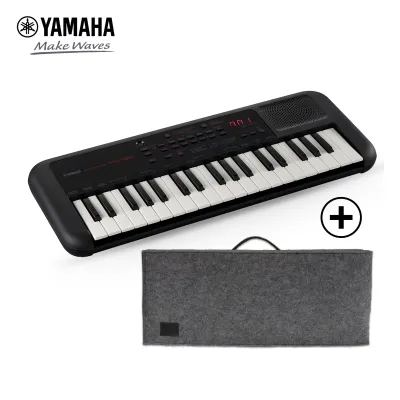
![Yamaha PSS-E30 PSS-A50 Mini Keyboard 37 Keys High Quality PSSE30 PSSA50 Kid Toy Gifts Light Weight Music Instrument Battery USB Powered PSS E30 A50 Absolute Piano The Music Works [LIMITED STOCK]](https://img.lazcdn.com/g/p/febce4b8975c04bd0986e8d090fe4ee1.png_400x400q80.png_.webp)
Prices are valid at publication and may change. Please refer to the product page for the latest price.
If you are drawn to electronic music production, songwriting, or sound design, a mini keyboard like the PSS-A50 can be an excellent companion. Its compact footprint allows it to sit comfortably on a study desk next to a laptop, making it easy to integrate into a modern home setup. This desktop integration is particularly valuable for creators who want to quickly input notes into software without dedicating an entire room to a large instrument.
Conversely, if your primary goal is to learn traditional piano fundamentals, starting on a mini keyboard can introduce physical habits that are difficult to break later. Classical piano technique relies heavily on spatial awareness, finger independence, and the ability to control the volume of notes through physical force. Defining your musical direction early on is the most effective way to narrow down your instrument choices.
Understanding the 37-Key Mini Keyboard Format
An instrument with 37 keys provides exactly three octaves plus one additional note. While this range is perfectly adequate for playing simple melodies, basslines, or basic chords, it severely limits your ability to play traditional two-handed keyboard music. Most standard piano literature, and even basic pop arrangements, expect a range of at least 61 keys to accommodate simultaneous left-hand bass patterns and right-hand melodies.

The physical size of the keys is another critical factor to consider. Mini keys are significantly narrower and shorter than standard piano keys. For adult beginners, this compact spacing can make it challenging to play clean chords without accidentally pressing adjacent keys. Furthermore, practicing on mini keys does not help you develop the muscle memory needed to transition smoothly to a standard-sized piano.
Additionally, mini keyboards typically feature unweighted keys, which rely on simple spring tension rather than a weighted hammer mechanism. While the PSS-A50 does offer touch-sensitive (velocity-sensitive) keys, meaning the sound changes volume based on how hard you strike them, the physical resistance is minimal. Beginners should check the manufacturer’s specifications to understand the exact key dimensions and touch response settings, as these directly impact how the instrument feels under your fingers.
Key Features to Evaluate for Beginner Progression
When evaluating a beginner keyboard, you must look beyond the physical keys to the internal features that support your daily practice. The PSS-A50 includes a built-in arpeggiator, phrase recorder, and motion effects. These tools are highly engaging for beginners who want to experiment with electronic textures, allowing you to create complex rhythmic patterns with minimal keyboard technique.
Connectivity is another essential aspect of modern learning. A keyboard with a USB-to-Host port can connect directly to computers, tablets, or smartphones. This allows you to use the keyboard as a MIDI controller for educational apps, interactive music games, or digital audio workstations. Before buying, verify if the keyboard is class-compliant, meaning it works immediately upon plugging in without requiring complex driver installations.
For those living in high-density housing, such as HDB flats or condominiums in Singapore, silent practice is a necessity. Ensure the keyboard features a standard headphone jack so you can practice at any hour without disturbing family members or neighbors. A built-in metronome is also a vital educational tool, helping you develop a steady sense of rhythm from your very first practice session.
When to Choose a Full-Size Keyboard Instead
You should bypass the mini keyboard format entirely if you are committed to formal piano lessons or classical training. Traditional piano teachers almost universally recommend starting on an instrument with at least 61 full-size, touch-sensitive keys, though an 88-key weighted instrument is the gold standard. Standard key spacing is essential for developing the hand span and finger strength required for acoustic pianos.
While a mini keyboard is highly portable and budget-friendly, often costing under S$150, you may find yourself outgrowing its physical limitations within a few months of consistent practice. Upgrading to a larger instrument later means spending more money in the long run. Investing in an entry-level 61-key or 88-key digital piano from the start provides a more stable foundation for multi-year learning.
If you decide to look for a full-size alternative, prioritize models that feature a sustain pedal input. A sustain pedal is essential for connecting notes smoothly in classical and contemporary music alike. Many mini keyboards rely on a sustain button on the control panel, which does not allow you to practice proper foot-pedal coordination.
Final Checklist Before You Buy
Before finalizing your purchase, run through a practical checklist to ensure the instrument fits your physical space and technical setup. Measure your desk or practice area to confirm the keyboard will fit comfortably alongside your computer or study materials. If you plan to travel with the instrument, verify its weight and dimensions to ensure it fits into a standard backpack or gig bag.
Next, check the power supply options. Many mini keyboards can run on AA batteries or via USB power from a computer or power bank. However, some retail packages do not include a dedicated AC wall adapter. Verify the exact box contents with your retailer so you do not have to make a separate purchase just to power the instrument from a wall outlet.
Finally, always purchase from an authorized local distributor or a reputable music retailer in Singapore. This ensures you receive a genuine product covered by a valid local warranty, protecting you against any manufacturing defects. Review the store’s return policy in case you find the mini-key format unsuitable for your hands once you try it in person.
Frequently Asked Questions (FAQ)
Can I learn proper piano technique on 37 mini keys?
No, you cannot develop proper classical piano technique on 37 mini keys. Standard piano technique requires standard-sized, weighted keys to build finger strength, hand positioning, and spatial memory. Mini keys are best utilized as a portable tool for songwriting, music production, or casual melody practice rather than formal piano training.
Do I need an external audio interface to record with this keyboard?
No, you do not necessarily need an external audio interface to record MIDI data. The keyboard connects directly to your computer or mobile device via a standard USB cable to transmit MIDI notes into your recording software. However, if you wish to record the actual built-in instrument sounds as high-quality audio, you will need to connect the headphone output to an external audio interface or check if the keyboard supports direct USB audio transfer.
Is the Yamaha PSS-A50 suitable for young children?
Yes, the compact size and lightweight design make mini keyboards highly accessible for young children with small hands. The simplified interface can make learning fun and less intimidating than a full-size piano. However, parents should supervise young children around power cables and batteries, and consult the manufacturer’s age guidelines to ensure a safe introduction to the instrument.

Community discussion
Share your experience or ask a question. Comments are reviewed before publication.