
Choosing between a Kala and a Makala ukulele comes down to balancing your budget against your long-term musical goals. Makala is the dedicated entry-level sub-brand of Kala, designed specifically to offer highly affordable, reliable instruments for first-time players and students. The main Kala line, on the other hand, spans from standard intermediate models to premium instruments featuring upgraded tonewoods, refined hardware, and refined cosmetic finishes. If you are a complete beginner testing the waters, a Makala provides a low-risk entry point, whereas a Kala instrument offers a richer acoustic experience and better structural longevity for those committed to progressing. By understanding the specific differences in materials, hardware, and construction, you can make an informed decision that matches your budget and learning pace.
Understanding the Kala and Makala Brand Relationship
To navigate the ukulele market effectively, it is helpful to understand that Kala and Makala are not competing independent companies. Instead, Makala is a specialized product line created by the Kala Brand Music Company. Kala established the Makala brand to serve as its entry-level tier, ensuring that budget-conscious buyers do not have to resort to unbranded, poorly constructed instruments that are difficult to tune and play.
Because both brands share the same parent company, they benefit from the same overarching design philosophies and quality control standards. The manufacturing processes for Makala instruments are overseen by Kala’s engineering teams, meaning that even the most affordable Makala models inherit structural designs developed for high-end Kala instruments. This shared heritage gives Makala a distinct advantage over generic, low-cost alternatives found on online marketplaces, as the basic geometry, fret spacing, and bridge placement are designed to meet proper musical standards.
Products mentioned in this guide
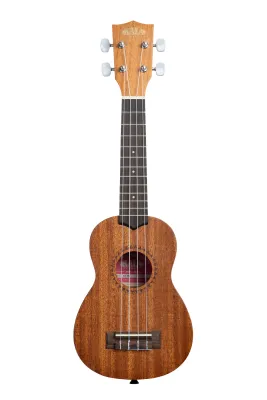

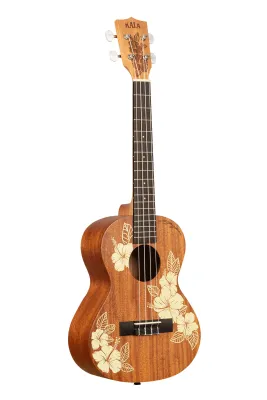
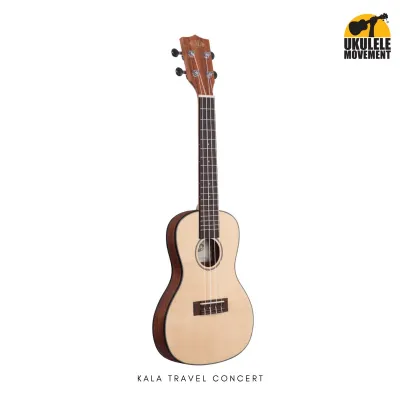
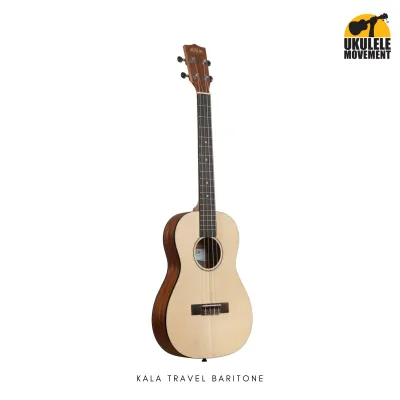
Prices are valid at publication and may change. Please refer to the product page for the latest price.
While the parent company maintains quality control across both lines, the distinction between them is clear. The main Kala line represents the company’s core identity, focusing on traditional craftsmanship, diverse wood selections, and advanced features for serious players. Makala remains focused on simplicity, durability, and cost-efficiency. Understanding this relationship helps you see that choosing a Makala does not mean sacrificing basic playability, but rather opting for a streamlined, no-frills version of a proven Kala design.
Core Differences to Verify on Product Labels
When comparing specific models from both lines, you should look closely at the technical specifications listed on product labels or retailer websites. These details directly impact the instrument’s sound, playability, and overall value.

First, examine the materials and tonewoods. Most entry-level Makala ukuleles are constructed using laminated woods, such as mahogany or agathis, or even durable composite plastics in their outdoor-friendly models. Laminated wood consists of thin layers of wood glued together, which makes the instrument highly resistant to changes in temperature and humidity but limits its acoustic resonance. In contrast, many mid-range and premium Kala models feature solid wood tops or entirely solid wood bodies, using premium tonewoods like koa, spruce, cedar, or acacia. Solid wood vibrates more freely than laminate, producing a warmer, more complex tone that actually improves as the wood ages.
Second, check the hardware and tuning machines. Tuning stability is a common pain point for beginners. Standard Makala models often use open-gear tuners or simplified geared pegs that, while functional, may require more frequent adjustments. The main Kala line typically upgrades to high-quality, sealed geared tuners or precision tuning machines that offer smoother operation and hold their pitch much longer. Additionally, Kala models frequently feature synthetic bone nuts and saddles, such as NuBone or Graph Tech TUSQ, which transfer string vibration to the body more efficiently than the standard plastic components found on entry-level Makala models.
Third, compare the finish and aesthetics. Makala ukuleles generally feature simple satin finishes, painted designs, or colorful matte coatings that keep production costs low while providing a durable protective layer. Kala instruments offer a much wider variety of finishes, including high-gloss coatings, hand-rubbed oils, and open-pore satin finishes that allow the natural grain of the wood to show through. Kala models also frequently include decorative elements like wood or abalone binding, intricate rosettes around the soundhole, and premium fretboard inlays that are absent from the minimalist Makala designs.
Finally, verify the included accessories. Because Makala is aimed directly at beginners, many of its models are sold as part of starter bundles. These packages often include essential items such as a lightweight gig bag, a clip-on digital tuner, an instructional booklet, and sometimes a strap. While some entry-level Kala models also come in starter packs, their premium models are typically sold as standalone instruments, requiring you to purchase accessories separately.
Deciding Between Kala and Makala for Your Needs
Selecting the right instrument requires a realistic assessment of your budget, your environment, and your commitment to learning. Neither brand is universally superior; instead, each serves a distinct type of player.
You should choose a Makala ukulele if you are completely new to stringed instruments and want to test your interest without a significant financial commitment. If you are buying an instrument for a young child, a classroom setting, or for casual outdoor activities like camping and beach trips, Makala’s durable laminate and composite models are ideal. They tolerate rough handling and environmental changes much better than delicate solid-wood instruments. A Makala is also the ideal choice if your budget is strictly limited, allowing you to start learning immediately with a reliable, playable instrument.
You should choose a Kala ukulele if you are confident in your commitment to learning the instrument long-term and want an acoustic tone that will satisfy your developing ear. If you already play another instrument, such as the guitar, you will likely appreciate the richer resonance, longer sustain, and broader dynamic range of a solid-wood Kala. Investing in a Kala main-line model from the start prevents the need for an early upgrade, saving you money in the long run as your skills progress from beginner to intermediate levels.
Before making your final purchase, it is highly recommended to verify the physical size of the ukulele. Ukuleles come in four primary sizes: soprano, concert, tenor, and baritone. Each size has a different scale length, fret spacing, and body volume. If possible, visit a local music store in Singapore to hold different sizes in your hands. Players with larger fingers often find the concert or tenor sizes much easier to play than the compact soprano, regardless of whether they choose a Kala or a Makala model.
Essential Pre-Purchase and Setup Checks
Regardless of which brand or model you select, performing a few basic checks when your ukulele arrives will ensure it is in optimal playing condition and protect your investment.
First, evaluate the action and intonation. The “action” refers to the height of the strings above the fretboard. If the action is too high, pressing the strings down will require excessive finger pressure, leading to fatigue and soreness. If it is too low, the strings will buzz against the frets. To check the intonation, tune the instrument carefully, then press a string down at the 12th fret. The pitch of the fretted note should match the pitch of the open string exactly one octave higher. If the notes are noticeably sharp or flat, the bridge or saddle may need adjustment.
Second, verify the warranty and return policies. When purchasing online or from a local retailer in Singapore, always check the return window and the specific terms of the manufacturer’s warranty. Ensure you are buying from an authorized dealer to guarantee that the warranty is valid. Keep your receipt and the original packaging in case you detect any structural defects, such as lifting bridges, loose braces, or sharp fret ends, which can occasionally occur during shipping or due to humidity changes.
Finally, consider investing in a professional setup. Many budget-friendly instruments, including Makala and entry-level Kala models, are set up conservatively at the factory to prevent buzzing. A professional technician at a local music shop can adjust the nut slots and sand down the saddle to lower the action, making the instrument significantly easier to play. This simple service can transform a modest budget ukulele into an incredibly comfortable, smooth-playing instrument that encourages you to practice every day.
Frequently Asked Questions (FAQ)
Is Makala a good brand for absolute beginners?
Yes, Makala is widely regarded as a highly reliable entry-level brand for absolute beginners. Because it is backed by Kala’s design standards, a Makala ukulele offers accurate fret spacing, reliable structural integrity, and decent playability at a very accessible price point. While it lacks the refined tone and premium materials of more expensive instruments, it provides a solid, dependable foundation for learning the basics of chords, strumming, and rhythm.
Should I buy a soprano or concert size for my first ukulele?
For most adult beginners, a concert-size ukulele is highly recommended. While the soprano is the traditional, compact size associated with the ukulele, its small fretboard can feel cramped for adult hands. A concert ukulele has a slightly longer scale length, wider fret spacing, and a larger body, which produces a warmer, louder sound while remaining highly portable and easy to hold. If you have very small hands or are buying for a child, a soprano is an excellent, classic choice.
Do I need to change the strings on a new entry-level ukulele?
You do not need to change the strings immediately, but doing so can significantly improve the tone of an entry-level ukulele. New ukuleles often come with budget factory strings that can take several days of constant stretching to hold their tune. Upgrading to premium nylon or fluorocarbon strings from reputable manufacturers can instantly enhance the volume, clarity, and warmth of a Makala or entry-level Kala, making it a highly cost-effective upgrade.

Community discussion
Share your experience or ask a question. Comments are reviewed before publication.