
Choosing your first electronic piano can feel overwhelming given the technical jargon found in product manuals and marketing brochures. For beginners, the most critical specifications to look for are fully weighted key action, touch sensitivity, and a polyphony count of at least 64 notes. Prioritizing these core features ensures that the instrument closely mimics the physical response and acoustic behavior of a traditional piano, which is vital for developing proper finger strength and expressive playing habits. While flashing lights, hundreds of built-in instrument sounds, and complex digital interfaces might seem appealing, they often distract from the primary goal of learning authentic piano technique.
Why Key Action and Touch Sensitivity Matter Most
The physical feel of the keys is the single most important factor when selecting an electronic piano. Acoustic pianos use a complex system of wooden keys, felt hammers, and strings that create natural resistance when pressed. To replicate this experience, electronic instruments utilize different types of keybed designs. Beginners should look for fully weighted or hammer action keys, which use actual weights or mechanical linkages to simulate the resistance of an acoustic piano. This resistance is crucial for building the hand endurance and finger independence required for proper technique.
In contrast, many entry-level keyboards feature unweighted or semi-weighted keys. Unweighted keys rely on simple plastic springs, offering very little resistance and springing back instantly. While these are lightweight and easy to transport, they do not prepare a student for the physical demands of playing a traditional piano. Semi-weighted keys offer a slight compromise by adding minor resistance, but they still lack the authentic mechanical drop and recoil of a true hammer action keybed.
Products mentioned in this guide
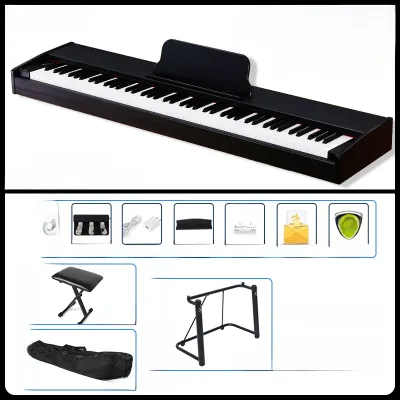
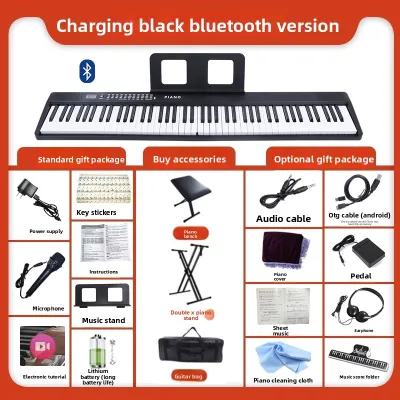
![[✅SG Ready Stock] 61 Key High Quality Music Keyboard Piano kids toys new player beginner Electric Piano](https://img.lazcdn.com/g/p/1f34b80fc1c4ffa462a06ed0ad2ca2fd.jpg_400x400q80.jpg_.webp)
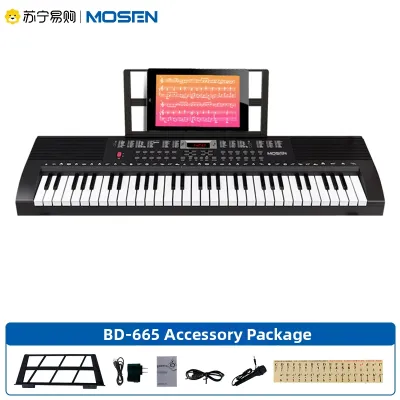
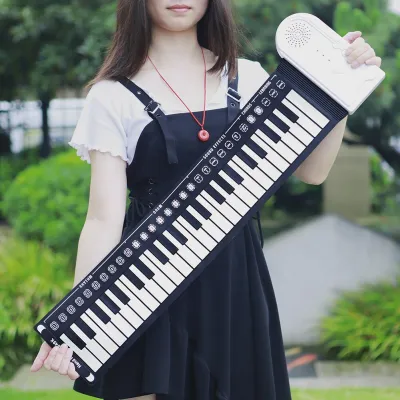


Prices are valid at publication and may change. Please refer to the product page for the latest price.
Touch sensitivity, also referred to as velocity sensitivity, is another non-negotiable specification. This feature ensures that the volume and character of the sound change depending on how hard or soft you strike the keys. Without touch sensitivity, every note sounds at the exact same volume regardless of your finger pressure, making it impossible to play with dynamic expression. When evaluating options, check the manufacturer’s official specifications to confirm the keybed supports multiple levels of touch sensitivity, allowing you to adjust the response to match your playing strength.
Understanding Polyphony and Sound Engine Basics
Polyphony refers to the maximum number of individual notes or voices that an electronic piano can produce simultaneously. This includes not only the notes you press with your fingers but also the sustained resonance of previous notes when using the sustain pedal. For beginners, a minimum polyphony of 64 notes is acceptable for basic exercises, but 128 notes or higher is recommended. As your playing progresses and you begin using the sustain pedal to blend chords, a low polyphony count will cause older notes to cut off abruptly, disrupting the natural decay of the music.

The sound engine is the technology responsible for generating the piano tones. Most electronic pianos use sampling, which involves playing back high-quality digital recordings of real acoustic grand pianos. Some advanced models utilize physical modeling, which uses mathematical algorithms to calculate and generate the sound in real-time based on your physical interaction with the keys. Both methods have distinct characteristics, and neither is universally superior for a beginner. Instead of focusing on the underlying technology, verify the maximum polyphony specifications and listen to official audio demonstrations to assess the realism of the tone.
Essential Connectivity and Built-in Features for Practice
A great electronic piano should support your daily practice routine without adding unnecessary complications. One of the most practical connections to look for is a dedicated headphone jack. In compact living environments, such as apartments in Singapore, the ability to plug in headphones allows for silent practice at any hour of the day or night without disturbing family members or neighbors. Ensure the headphone output matches the plug size of your headphones, or keep a standard adapter on hand.
Modern learning often relies on digital tools, making USB-to-Host or MIDI connectivity highly valuable. These ports allow you to connect the electronic piano directly to a computer, tablet, or smartphone. This connection enables compatibility with interactive learning applications, music notation software, and digital audio workstations. Before purchasing, verify the device compatibility requirements listed in the product manual to ensure seamless integration with your existing devices.
While some instruments boast hundreds of built-in sounds, rhythms, and accompaniment styles, beginners should avoid paying a premium for these extras. A built-in metronome is essential for developing a steady sense of rhythm, and a basic recording function can help you listen back to your practice sessions objectively. Beyond these core tools, excessive sound libraries and auto-accompaniment features are rarely used during serious piano study and can inflate the overall cost of the instrument.
How to Match Specs to Your Budget and Space
Electronic pianos generally fall into two physical categories: portable slab-style models and furniture-style console models. Slab-style pianos are compact, lightweight, and easy to store when not in use, making them ideal for smaller rooms. However, they require a sturdy, separate stand to prevent wobbling during expressive play. Console models feature an integrated wooden cabinet and built-in pedals, offering excellent stability and a traditional aesthetic, though they occupy a permanent footprint in your home.
When planning your purchase, it is important to look beyond the instrument itself and verify what accessories are included in the box. Some packages include a basic sustain pedal, a music rest, and a power adapter, while others may require you to purchase these items separately. Allocating a portion of your budget in S$ for a high-quality sustain pedal that mimics the physical feel of an acoustic pedal is a worthwhile investment, as cheap plastic switch-style pedals tend to slip across the floor and lack realistic travel.
Before making a final decision, try to test the keybed action in person at a local showroom if possible. Pay close attention to how the keys feel under your fingers and whether the mechanical noise of the keybed is distracting when playing at low volumes. If in-person testing is not an option, review high-quality official audio demonstrations and read the detailed specifications on the manufacturer’s website to ensure the instrument aligns with your learning goals.
Frequently Asked Questions (FAQ)
Do I need 88 keys as a beginner?
Yes, starting with a full 88-key keyboard is highly recommended if your goal is to learn traditional piano. Standard piano repertoire, classical pieces, and formal music examinations are written with the expectation of a full 88-key range. While smaller 61-key or 76-key keyboards can save space and are suitable for casual pop playing or basic music production, they will quickly limit your progress as you advance to pieces that require the lower bass and upper treble registers.
What is the difference between an electronic piano and a keyboard?
The primary difference lies in their design focus and key action. An electronic piano (or digital piano) is specifically designed to replicate the acoustic piano experience, prioritizing fully weighted keys, realistic piano tones, and expressive touch dynamics. A portable keyboard, on the other hand, focuses on versatility, offering hundreds of different instrument sounds, backing rhythms, and lightweight, unweighted keys. If your primary goal is to learn proper piano technique, an electronic piano with weighted keys is the correct choice.

Community discussion
Share your experience or ask a question. Comments are reviewed before publication.