
The “Let Them” theory—popularized by author and podcast host Mel Robbins—offers a straightforward mental model for emotional peace: letting go of the desire to control other people’s choices. Whether the book is worth your time and money depends largely on your familiarity with the concept and your preferred learning style. If you are looking for a highly structured, step-by-step guide to transition from passive people-pleasing to active emotional boundary-setting, the book provides a consolidated framework that goes beyond short-form social media clips. However, if you have already listened extensively to the foundational podcast episodes, you may find some of the core ideas repetitive.
Understanding the Let Them Theory and Its Social Media Appeal
The core premise of the theory is simple: when people do things that upset, disappoint, or frustrate you, you simply step back and say, “Let them.” This does not mean condoning harmful behavior, but rather accepting reality as it is so you can decide how to respond from a place of clarity rather than emotional reactivity.
The concept gained massive traction on social media platforms and podcasts, where short, relatable anecdotes about relationship friction resonated with millions of listeners. It addresses a common modern pain point: the exhaustion of trying to manage how others perceive us, act around us, or treat their own lives. Transitioning from a viral audio concept to a fully realized self-help book allows the philosophy to be explored with greater structure, offering readers a tangible reference guide to return to when interpersonal stress arises.
Products mentioned in this guide
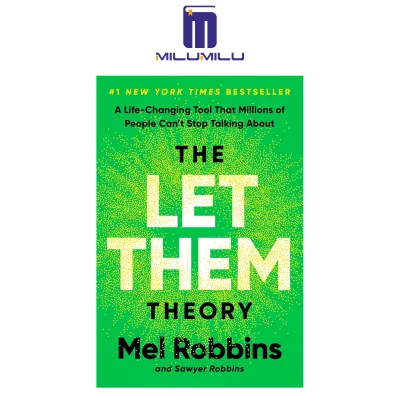
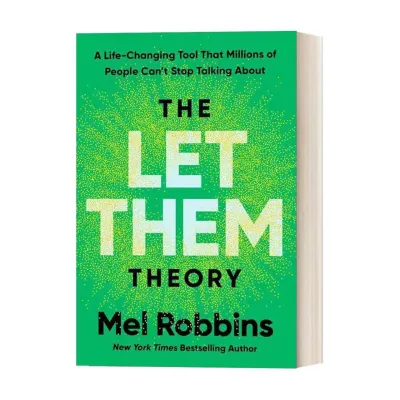
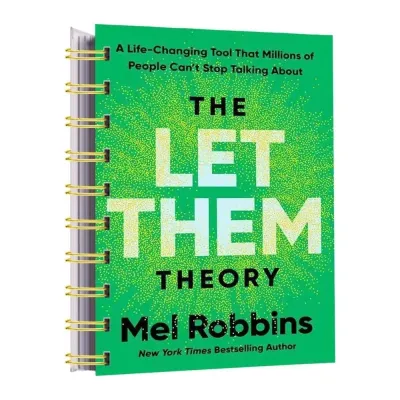

Prices are valid at publication and may change. Please refer to the product page for the latest price.
Core Concepts: What You Will Actually Learn from the Book
The book focuses on three primary pillars: emotional detachment, self-regulation, and the release of unrealistic expectations. Instead of constantly reacting to the choices of friends, family, or colleagues, readers are taught to observe these choices without immediate judgment.

A crucial distinction made throughout the text is the difference between passive resignation and active boundary enforcement. “Letting them” do as they please does not mean you must remain in situations that cross your personal boundaries. Rather, it empowers you to let them show you who they are, so you can make informed decisions about your own actions and associations. The book illustrates these concepts through various real-life scenarios, such as dealing with unreliable friends, managing workplace dynamics, and navigating family expectations, helping readers visualize how to apply the theory in daily life.
Who Should Read It (and Who Should Skip It)
This book is highly suited for individuals who struggle with chronic people-pleasing, over-functioning in relationships, or trying to rescue others from their own poor decisions. If you find yourself constantly anxious about how others behave or feel personally responsible for their happiness, the structured exercises can offer immediate relief.
Conversely, there are situations where this mindset is insufficient or entirely inappropriate. The “Let Them” approach is not a tool for navigating abusive relationships, severe boundary violations, or clinical mental health crises. In these scenarios, passive observation can be dangerous, and active, professional intervention is necessary.
To determine your readiness for this book, consider this checklist:
- Are you willing to sit with the discomfort of not intervening in someone else's choices?
- Can you accept that you cannot change another person's behavior, only your reaction to it?
- Are you prepared to establish and enforce consequences when others' actions cross your boundaries?
How It Compares to Other Boundary-Setting Self-Help Books
The self-help market is filled with literature on boundaries, from clinical guides to philosophical texts on Stoicism. The “Let Them” theory leans heavily toward conversational, anecdotal advice rather than dense psychological theory. While books like “Boundaries” by Henry Cloud and John Townsend offer a highly structured, sometimes clinical or faith-based approach to personal limits, this book focuses on a singular, easily memorable mantra designed for rapid mental shifts.
In terms of tone, the book is highly accessible and written in a friendly, direct second-person voice. It avoids academic jargon, making it an easy read for those who find traditional psychology books dry or overwhelming. However, readers seeking deep clinical research, neurological explanations of behavior, or highly detailed therapeutic exercises may find the conversational style somewhat light compared to established academic self-help classics.
Before You Buy: Verifying Editions, Formats, and Availability
Before purchasing, it is essential to verify that you are buying the official edition published by an authorized publisher. Because viral concepts often spawn unauthorized summaries, low-quality workbooks, or bootleg digital copies on online marketplaces, always check the publisher details and the unique International Standard Book Number (ISBN) before completing your transaction.
Consider which format aligns best with your lifestyle. The audiobook version, often narrated by the author, can offer a more personal and engaging experience, while the physical book or e-book formats are better suited for those who want to highlight key passages and complete the written exercises. If you prefer digital reading, ensure the file format is fully compatible with your e-reader or tablet device before purchasing.
Final Verdict: Is It Worth Your Time and Money?
Ultimately, the book is worth the investment—typically ranging from S$20 to S$35 depending on the format—if you genuinely need a structured, encouraging guide to help you break free from the cycle of controlling others. It serves as an excellent, practical manual for those new to boundary-setting.
However, if you are on a tight budget or unsure if the book will offer new insights beyond what you have already heard online, consider exploring free alternatives first. Listening to the original podcast episodes or borrowing the book from your local public library allows you to sample the content before committing your financial resources.
Frequently Asked Questions (FAQ)
Is the Let Them Theory book just a transcript of the podcast?
No, the book is not a simple transcript. While it builds upon the core concepts introduced in the podcast, the book organizes these ideas into a cohesive, step-by-step framework. It includes exclusive exercises, deeper personal anecdotes, and structured chapters designed to guide the reader through the practical application of the theory in a way that a conversational audio episode cannot.
Can this book replace professional therapy or counseling?
No, this book is a self-help resource and cannot replace professional therapy or counseling. While it offers valuable tools for managing everyday interpersonal stress and emotional regulation, it is not designed to treat clinical mental health conditions, deep-seated trauma, or severe relationship abuse. If you are experiencing a mental health crisis or dealing with complex psychological trauma, you should consult a licensed professional therapist or counselor.

Community discussion
Share your experience or ask a question. Comments are reviewed before publication.