
Preparing for the O-Level examinations requires more than just mastering vocabulary, grammar, and essay structures. To perform at your best under timed conditions, you must also develop a keen sense of spatial awareness and physical pacing. Practicing on composition paper that accurately mirrors the official Singapore-Cambridge GCE O-Level answer booklet helps you gauge your word count at a glance and manage your writing speed without constantly stopping to count words.
Using the wrong paper format during revision can distort your perception of essay length, leading to unfinished pieces or overly cramped handwriting on exam day. By aligning your practice materials with the exact physical specifications of the official booklets, you can build the muscle memory needed to transition smoothly into the actual examination hall.
Key Specifications to Match the Official Answer Booklet
To replicate the exam environment, you must first look at the physical dimensions of the paper. Official O-Level answer booklets are standard A4 size, oriented in portrait mode. While this might seem basic, practicing on legal-sized paper or smaller notepad formats will completely throw off your visual estimation of page coverage.
Products mentioned in this guide
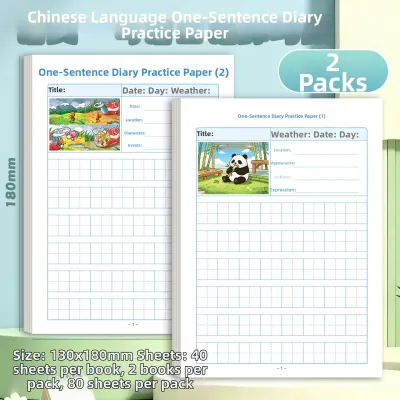
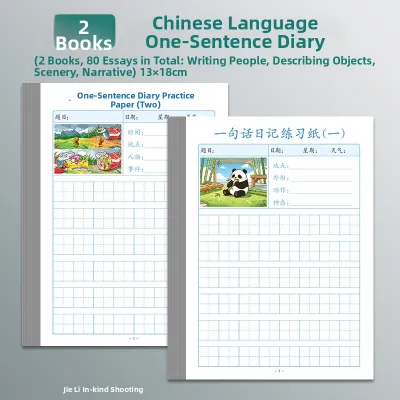
Prices are valid at publication and may change. Please refer to the product page for the latest price.
For English and other humanities subjects, the booklet features ruled lines rather than a blank canvas. The line spacing in official booklets is typically wider than that of standard school exercise books, often measuring between 8mm and 10mm. This generous spacing is intentional, as it ensures that your handwriting remains legible and leaves sufficient room for examiners to write comments and marks.
For Mother Tongue subjects, the layout shifts from ruled lines to a strict grid format. This grid paper, often referred to as Chinese composition paper, consists of square cells designed to hold one character each. A standard exam-style grid page typically features a specific grid count per page, often arranged in rows of 20 cells. Verifying the exact grid dimensions—usually 8mm by 8mm or 10mm by 10mm—is crucial to ensure your character count aligns with the physical pages you fill.
Margins and borders also play a critical role in defining the usable writing space. Official booklets feature distinct left and right margins, along with a dedicated binding edge on the left side. Practice paper must replicate these margins; otherwise, you may write too close to the edges, which can result in text being obscured when the booklets are bound or scanned for marking.
How Paper Layout Impacts Word Count and Pacing
During the actual exam, counting your words individually is a poor use of limited time. When you practice repeatedly on paper with the correct line spacing and margin widths, you develop an intuitive understanding of what a 350-word or 500-word essay looks like in your unique handwriting. You will quickly learn that your target word count translates to a specific number of lines or pages.

For Mother Tongue papers, the grid layout makes tracking your progress even more straightforward. Because each character occupies a single cell, you can calculate your exact word count simply by looking at the grid rows. If you know that each row contains 20 characters, completing ten rows instantly signals that you have written 200 characters. Practicing on the correct grid layout prevents you from underestimating or overestimating your essay length.
Legibility is another factor heavily influenced by paper layout. Examiners mark hundreds of scripts, and cramped, messy handwriting can make your essay difficult to read. The wider line spacing of official booklets allows you to write clearly and make neat corrections. If you need to cross out a word and write an alternative above it, the generous spacing ensures your edits remain legible without cluttering the surrounding lines.
Finally, matching the paper specifications helps you manage your physical writing pace. By knowing exactly where you should be in the booklet at the halfway mark of your exam—such as finishing the second page of a four-page booklet—you can adjust your speed accordingly. This visual feedback keeps you on track and prevents the panic of realizing you have run out of space or time.
What to Verify Before Buying or Printing Practice Paper
Before purchasing bulk packs of composition paper or printing templates from online sources, cross-reference the product specifications with official school handouts. Your school teachers are the best source of information, as they regularly handle official past-year booklets and can confirm if a specific retail pack matches the current exam standards.
Pay close attention to paper weight and texture. Official exam booklets are typically printed on standard paper weights ranging from 70gsm to 80gsm. If you practice on paper that is too thin, your pen ink may bleed through to the reverse side, making it impossible to write on both sides of the sheet. Look for paper that handles standard gel pens or ballpoint pens smoothly without feathering or bleeding.
Avoid using generic loose-leaf pad paper with ultra-narrow lines, such as 6mm college-ruled paper, for your final timed practices. While these pads are convenient for quick brainstorming sessions or vocabulary lists, they do not simulate the spatial reality of the exam. Keep your high-stakes mock sessions restricted to verified exam-format sheets to ensure your preparation remains highly accurate.
Frequently Asked Questions (FAQ)
Can I use standard generic lined paper for O-Level English practice?
While standard generic lined paper is perfectly fine for initial drafts, brainstorming, or untimed writing exercises, it is not recommended for timed mock exams. Generic paper often features narrower line spacing and lacks the specific margin boundaries of the official booklet. Using it exclusively can skew your spatial awareness, making it difficult to estimate your actual word count and pacing accurately on exam day.
Where can I find the exact grid specifications for O-Level Mother Tongue?
The most reliable way to find the exact grid specifications is to consult your school’s Mother Tongue department or examine official past-year physical booklets. Teachers frequently distribute practice writing sheets that perfectly replicate the grid size and row counts of the actual exam. Avoid relying on generic grid paper imported from other regions, as their cell sizes and page layouts often differ from local exam standards.

Community discussion
Share your experience or ask a question. Comments are reviewed before publication.