
Pairing the universally acclaimed works of Lois Lowry with contemporary Singaporean fiction offers students and book club members a unique cross-cultural literary experience. By placing Lowry’s themes of societal control, memory, and coming-of-age alongside local narratives, readers can explore universal human experiences while grounding their discussions in familiar local contexts. This comparative approach deepens critical thinking, encourages empathy, and highlights how different societies navigate identity, family, and civic responsibility.
Using this comparative method allows educators and facilitators to bridge the gap between global literary classics and regional voices. It helps readers appreciate how diverse authors address similar existential questions, making the reading experience both globally relevant and personally resonant.
Framework for Building a Cohesive Paired Reading List
To build a successful paired reading list, educators and book club facilitators must establish clear criteria that bridge the gap between international classics and local literature. The primary goal is to align thematic depth so that the books actively speak to one another. For instance, pairing a story about a highly regulated society with a local text exploring intense academic or social expectations allows readers to examine the concept of conformity from multiple angles.
Products mentioned in this guide
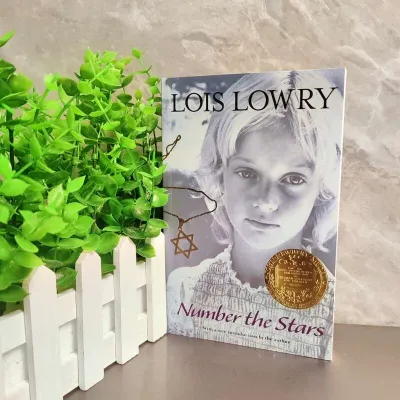

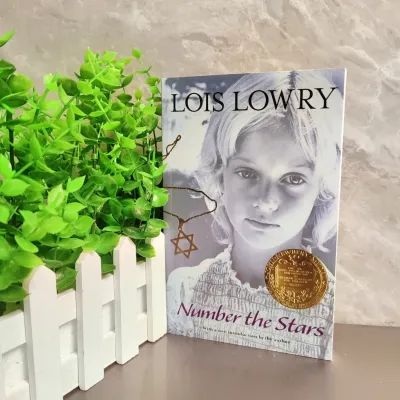
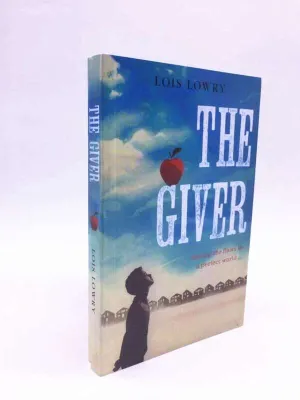
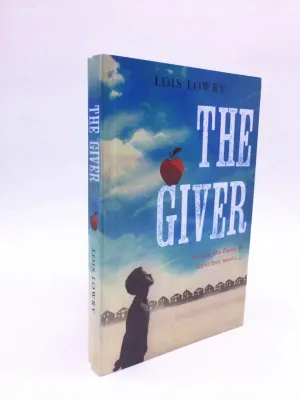
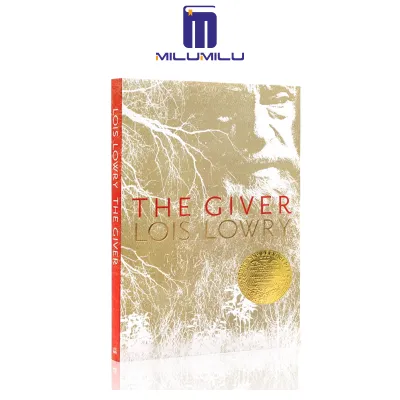
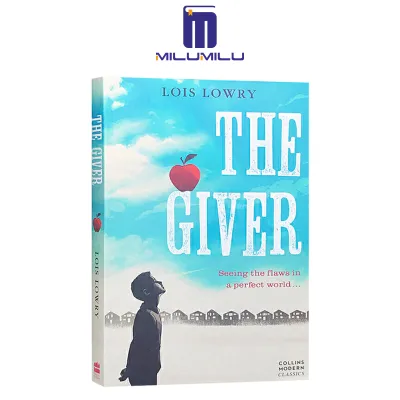
Prices are valid at publication and may change. Please refer to the product page for the latest price.
Lexical complexity and narrative pacing must also match the target demographic. A list designed for lower secondary students requires books with accessible language but rich emotional stakes, whereas upper secondary or adult book clubs can handle complex structures and non-linear timelines. Ensuring that the reading levels are comparable prevents one book from feeling like a chore compared to the other.
Finally, practical availability is a crucial factor. Before finalizing any pairing, facilitators should verify that the selected Singaporean titles are readily accessible. Many local works are kept in stock by school libraries, national libraries, or specialized local distributors, making it easier to secure class sets or multiple copies for group discussions.
Pairing for Identity, Belonging, and Coming-of-Age
Lois Lowry’s coming-of-age novels, such as The Giver or Find a Stranger, Say Goodbye, serve as excellent baselines for exploring adolescent development and the search for self. These works capture the emotional vulnerability, the questioning of authority, and the desire for independence that define the teenage years. Using these universally recognized narratives provides students with a comfortable starting point to discuss complex emotional landscapes.

When pairing these with Singaporean youth or contemporary fiction, look for stories that mirror these developmental milestones within a local framework. Local narratives often depict characters navigating the high-stakes pressure of national examinations, balancing family obligations with personal aspirations, and finding their footing in a multicultural society. This juxtaposition helps students see their own daily realities reflected in literature alongside global perspectives.
To ensure a successful match, check that the protagonists in both books share comparable ages and emotional stakes. When students can empathize with a character facing a strict societal transition in a speculative world, they become much more receptive to analyzing similar emotional struggles faced by a character in a realistic Singaporean school setting.
Pairing for Social Norms, Community, and Memory
Lowry frequently examines how communities organize themselves and the sacrifices required to maintain social order. In her speculative societies, memory is often controlled, and individual desires are subordinated to the collective good. These themes provide a powerful lens for analyzing how real-world societies construct their social norms and preserve their history.
Singaporean fiction offers a rich counterpart to these themes, particularly through stories set in public housing estates, historical kampongs, or rapidly modernizing urban landscapes. While Lowry’s speculative worlds use extreme measures to enforce conformity, Singaporean narratives often explore the subtle, everyday negotiations between individual freedom and community harmony. Comparing these settings allows readers to discuss the value of shared memories and the preservation of heritage in a fast-paced society.
These pairings encourage students to evaluate their own civic duties and the social contracts that govern their lives. By discussing how characters in both texts handle societal expectations, readers can explore the balance between personal identity and collective responsibility without relying on oversimplified moral judgments.
Pairing for Family Dynamics and Historical Resilience
Family structures and historical challenges are central to many of Lowry’s works, such as Number the Stars, which highlights courage and survival during wartime. These narratives show how family units adapt, protect one another, and pass down values during periods of intense external pressure.
This thematic focus pairs naturally with Singaporean historical fiction or multi-generational family sagas. Local literature frequently explores the hardships of the early post-war years, the rapid transition to independence, and the generational shifts that occurred as Singapore modernized. Comparing these historical contexts helps students understand how different cultures shape family obligations, sacrifices, and communication styles across generations.
When selecting local historical texts, ensure the historical background is accessible to the target age group. The goal is to provide enough context so that students can discuss resilience and family bonds without becoming overwhelmed by historical details. This approach helps readers appreciate the universal nature of family support during times of crisis.
Structuring the Reading Sequence and Book Club Discussions
The order in which books are read significantly influences how readers process comparative themes. Introducing a globally familiar anchor text, such as a widely taught Lowry novel, first allows students to grasp the core themes in a structured, accessible environment. Once these concepts are established, introducing the Singaporean text provides a fresh, localized perspective that challenges and expands their initial understanding.
Discussion prompts should be designed to move beyond simple plot summaries. Instead of asking what happens, facilitators should encourage readers to compare how characters in different cultural settings respond to similar pressures. For example, prompts can ask how a protagonist in a speculative future and a protagonist in a historical Singaporean setting both navigate the expectations of their elders.
Facilitators should also prepare brief introductory materials to address local context, such as colloquial expressions, geographical landmarks, or specific historical events. Providing a simple guide or discussing these elements beforehand ensures that all readers, regardless of their background, can fully engage with the local text’s nuances.
Selection Boundaries and Content Checks
Creating a balanced reading list requires careful attention to content suitability and emotional weight. Facilitators must cross-reference age ratings, thematic maturity, and potential content warnings for both the Lowry novels and the Singaporean selections. Ensuring that both books are appropriate for the group’s developmental level prevents unnecessary discomfort or disengagement.
It is important to avoid pairings where the emotional trauma or graphic nature of one book completely overshadows the other. A balanced list should allow both texts to contribute equally to the discussion, rather than having one book dominate due to extreme themes. If a selected local title deals with sensitive historical periods or complex social issues, the facilitator must be prepared to provide adequate support and guidance.
When in doubt, consulting school librarians, experienced educators, or official reading guides is highly recommended. These professionals can provide valuable insights into how specific texts have been received in educational settings and offer advice on managing sensitive topics in a classroom or book club environment.
Frequently Asked Questions (FAQ)
Where can I find Singaporean fiction suitable for student reading lists?
Singaporean fiction can be sourced through local independent bookstores, school library catalogs, and the National Library Board’s extensive collections. Many local publishers maintain dedicated educational catalogs that highlight titles recommended for various age groups. Additionally, reviewing past winners or nominees of local literary awards, such as the Singapore Literature Prize, can help identify high-quality, culturally relevant texts that are suitable for academic or group discussions.
How do I handle cultural slang or local dialects in Singaporean books during discussions?
Encountering local colloquialisms, Singlish, or dialects should be treated as an enriching part of the reading experience rather than a barrier. Facilitators can provide a brief glossary or encourage students to use context clues to decipher unfamiliar terms. Framing these linguistic elements as authentic expressions of character identity and cultural heritage can spark engaging discussions about how language shapes community and belonging.

Community discussion
Share your experience or ask a question. Comments are reviewed before publication.