
Quick Answer: Which Piano Mat Material Should You Choose?
Choosing the right piano mat is not just about aesthetics; it is a functional decision that directly impacts your playing stability, floor preservation, and neighborly relations. To make an immediate choice, match your primary constraint to the material’s core strength.
Choose a rubber piano mat if your main priority is absolute stability and floor protection for a heavy digital console or acoustic piano on hard, slippery surfaces like ceramic tiles or polished hardwood.
Opt for a foam piano mat if you frequently practice while standing, use a lightweight portable keyboard, and prioritize joint comfort and easy storage.
Products mentioned in this guide
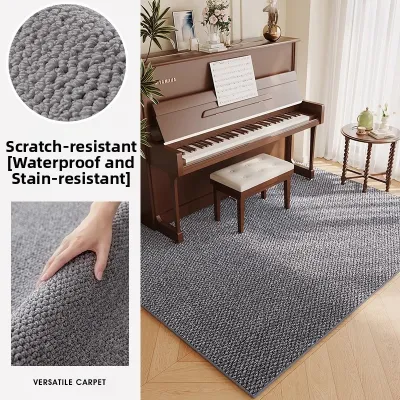
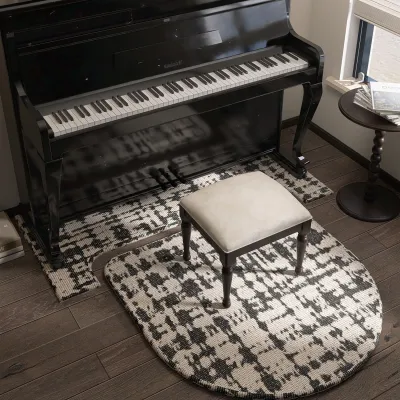
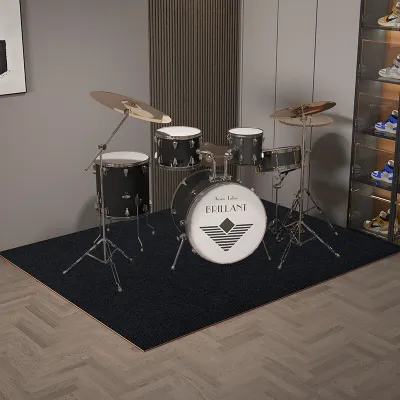
Prices are valid at publication and may change. Please refer to the product page for the latest price.
Select a carpet piano mat if you want a traditional look that blends seamlessly into carpeted rooms, or if you need to dampen the high-frequency mechanical thuds of foot pedals in a multi-story apartment.
Ultimately, no single material excels in every category. The ideal choice requires balancing your instrument’s weight, your home’s flooring, and your specific acoustic environment.
Assessing Your Setup: Floor Type, Piano Weight, and Noise Goals
Before browsing online marketplaces for a new piano mat, you must evaluate the physical realities of your practice space. Your floor type is the first critical factor. Hardwood, laminate, ceramic tiles, and existing wall-to-wall carpeting all react differently to pressure, friction, and moisture. A backing material that grips perfectly on tile might slide dangerously on carpet or chemically bond with a delicate hardwood finish over time.

Next, calculate the total weight of your setup. This includes not just the piano itself, but also the stand, the bench, and your own body weight while seated. A heavy digital piano console can easily weigh over 50 kilograms, while an acoustic upright can exceed 200 kilograms. Placing this concentrated weight on thin, soft materials will cause them to bottom out completely, rendering their protective and dampening properties useless.
Finally, define your noise reduction goals. In high-density residential buildings, such as HDB flats or condominiums in Singapore, sound travels easily through concrete floors. You must distinguish between airborne sound (the music itself) and impact noise (the physical thumping of the sustain pedal or the movement of the bench). While a mat cannot soundproof a room, choosing the right material can significantly reduce the structural vibrations that disturb your downstairs neighbors.
Rubber Piano Mats: Best for Hard Floors and Heavy Keyboards
Rubber piano mats are the heavy-duty workhorses of the musical accessory world. Their primary advantage lies in their exceptional coefficient of friction. When placed on smooth, polished surfaces like ceramic tiles, marble, or sealed laminate, a high-quality rubber mat creates a secure grip that prevents your piano stand from shifting or creeping during intense, expressive playing. This stability is crucial for maintaining proper playing posture and technique.
The dense molecular structure of rubber also makes it highly resistant to compression. Under the heavy, concentrated load of an acoustic upright piano or a substantial digital console, rubber maintains its thickness and structural integrity. This ensures that your instrument remains perfectly level, preventing uneven stress on the frame or stand. Furthermore, this density provides excellent isolation against low-frequency impact vibrations, such as the heavy thud of a sustain pedal.
However, rubber is not without its drawbacks. Certain synthetic rubber compounds contain plasticizers that can migrate into hardwood floor finishes, causing permanent discoloration or cloudiness. If you have delicate timber flooring, you must verify that the rubber is labeled as non-staining or use a protective felt barrier underneath. Additionally, rubber offers virtually no cushioning or ergonomic relief for your feet, making it less suitable if you prefer to stand while playing.
Foam Piano Mats: Best for Standing Comfort and Light Setups
Foam piano mats, typically made from high-density ethylene-vinyl acetate (EVA) or polyurethane, are designed with player comfort and portability in mind. If you are a keyboardist who performs standing up for extended periods, a foam mat acts as an anti-fatigue surface. The micro-air pockets within the foam compress under your feet, absorbing joint impact and reducing fatigue in your ankles, knees, and lower back during long practice sessions.
Despite these ergonomic benefits, foam has distinct physical limitations when it comes to weight capacity. Heavy digital consoles or acoustic pianos will easily compress standard foam down to its absolute limit, a phenomenon known as bottoming out. Once fully compressed, the foam loses its cushioning ability, and the concentrated weight can leave permanent, unsightly indentations in the mat. Therefore, foam is best reserved for lightweight, portable keyboards on X-stands or Z-stands.
On the positive side, foam mats are incredibly lightweight and highly portable. Many designs feature interlocking tiles or roll-up configurations, making them easy to pack into a gig bag or store in a closet when not in use. This makes them an excellent choice for gigging musicians or those with multi-purpose rooms. However, you must ensure the foam mat has a textured, high-traction underside, as smooth foam can easily slide on polished tile or wood floors, creating a safety hazard.
Carpet Piano Mats: Best for Aesthetics and Existing Carpeted Floors
Carpet piano mats offer a classic, living-room-friendly aesthetic that easily integrates into home studios and residential spaces. Unlike industrial-looking rubber or utilitarian foam, a carpeted mat looks like a premium rug, adding warmth and style to your setup. For homes that already feature wall-to-wall carpeting, a carpet mat can provide an extra layer of protection against wear and tear in high-traffic pedal areas.
Acoustically, carpet mats are highly effective at absorbing high-frequency impact noises. The fibrous pile of the carpet traps air and dampens the sharp, mechanical clicks of foot pedals and key actions before they can transfer into the floor structure. This makes carpet an excellent middle-ground solution for apartment dwellers who want to keep their practice sessions as quiet as possible without sacrificing the visual appeal of their living space.
The main challenge with carpet mats is stability, particularly when placed on top of existing carpet. Without a specialized non-slip backing or an anchoring system, the fibers of the mat can rub against the fibers of the floor carpet, causing the mat to creep forward over time. Additionally, carpet fibers naturally trap dust, pet hair, and debris. Because the area around piano pedals is prone to collecting dirt from shoes, a carpet mat requires regular vacuuming and maintenance to keep your practice space clean and allergen-free.
Decision Framework: Matching Material to Your Specific Needs
To finalize your choice, evaluate your setup against this structured framework. By matching your primary instrument type and flooring to the correct material, you can avoid common pitfalls like floor damage or unstable stands.
- Choose Rubber if: You have a heavy digital console or an acoustic upright piano; your floor is made of smooth ceramic tiles, polished marble, or laminate; and your primary goal is absolute stability and preventing the instrument from shifting.
- Choose Foam if: You use a lightweight, portable keyboard or synthesizer; you frequently stand while playing and require ergonomic joint support; and you need a highly portable, easy-to-store solution for gigging or multi-use spaces.
- Choose Carpet if: You want a traditional, aesthetically pleasing look that matches home decor; you need to dampen high-frequency pedal clicks and key thumps in an apartment; or your setup is located in an already carpeted room and needs localized wear protection.
- Verify First if: You have delicate, newly finished hardwood floors or underfloor heating systems. In these cases, always check with the flooring manufacturer before placing any rubber or synthetic mat down, as trapped heat or chemical migration can ruin the finish.
The following table summarizes how each material performs across key operational categories:
| Material | Best Floor Type | Weight Capacity | Noise Reduction | Comfort |
|---|---|---|---|---|
| Rubber | Tile, Hardwood, Laminate | High | Moderate (Low-Frequency) | Low |
| Foam | Flat, Non-Slip Surfaces | Low to Moderate | Moderate (Impact) | High |
| Carpet | Hard Floors, Existing Carpet | Moderate | High (High-Frequency) | Moderate |
Pre-Purchase Checks: Verifying Specs and Floor Safety
Before committing your hard-earned money—whether it is S$50 for a basic utility mat or S$150 for a premium acoustic barrier—take a few moments to verify the specifications. First, check the manufacturer’s stated weight capacity and thickness. Ensure the mat is rated to handle the concentrated load of your specific piano stand or legs without bottoming out.
Second, verify the backing material. Look for explicit labels indicating the mat is “hardwood safe,” “non-staining,” or “colorfast.” This is especially critical for rubber and synthetic backings, which can leave permanent marks on expensive timber or vinyl floors.
Third, measure the exact footprint of your entire setup. The mat should be large enough to accommodate the piano stand, the pedal board, and your bench. Having a mat that is too small can create uneven levels, causing your bench to wobble or creating a dangerous tripping hazard in your room.
Finally, if you are dealing with a delicate or newly finished floor and the manufacturer’s safety claims are ambiguous, perform a spot test. Place a small piece of the mat material in an inconspicuous area, such as inside a closet or under a heavy piece of furniture, for a few days. Check for any signs of discoloration, sticking, or chemical reaction before laying the full mat under your piano.
Frequently Asked Questions (FAQ)
Can a piano mat damage hardwood or tile floors?
Yes, certain piano mats can damage floors if chosen or maintained incorrectly. Cheap rubber backings often contain plasticizers that chemically react with polyurethane hardwood finishes, leaving dark, permanent stains. On tile floors, moisture or fine grit trapped beneath a heavy mat can act like sandpaper under the pressure of playing, scratching the glaze over time. To prevent this, always select mats labeled as floor-safe, and regularly lift the mat to clean and dry the floor underneath.
Do I need a special mat for digital pianos versus acoustic pianos?
While you do not need a specialized brand, the physical differences between digital and acoustic pianos dictate different material requirements. Acoustic pianos are exceptionally heavy and require high-density rubber or heavy-duty industrial carpet mats to prevent the legs from crushing the material and damaging the floor. Digital pianos, being much lighter, offer more flexibility; they can safely use foam mats for standing comfort or standard carpet mats without the risk of bottoming out the material.

Community discussion
Share your experience or ask a question. Comments are reviewed before publication.