
Selecting the right O-Level Science preparation book can significantly influence your child’s academic trajectory. With numerous options lining the shelves of local bookstores, parents frequently encounter prominent titles like Science Champ alongside a vast array of alternative revision resources. The ideal choice is not a universal standard, but rather a strategic match that aligns with your child’s current academic foundation, preferred learning style, and the remaining preparation time before the examinations. By evaluating how different book formats address specific learning gaps, you can select a resource that optimizes study hours and builds genuine exam confidence.
Understanding the Core Formats of O-Level Science Prep Books
To make an informed decision, it is essential to understand how the O-Level Science prep book market is structured. Commercial study aids generally fall into three distinct categories, each designed to serve a specific purpose in a student’s revision cycle. Recognizing these formats prevents parents from purchasing redundant materials that might overwhelm a student rather than support them.
Comprehensive study guides, such as the Science Champ series, are designed as all-in-one learning companions. These books typically feature structured, topical summaries that break down complex scientific concepts into digestible sections, followed immediately by targeted practice questions. This dual-structure approach allows students to review the theoretical framework of a topic before testing their comprehension, making it an excellent tool for systematic, progressive learning throughout the academic year.
Products mentioned in this guide
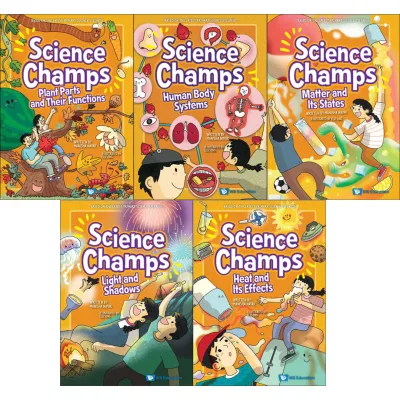
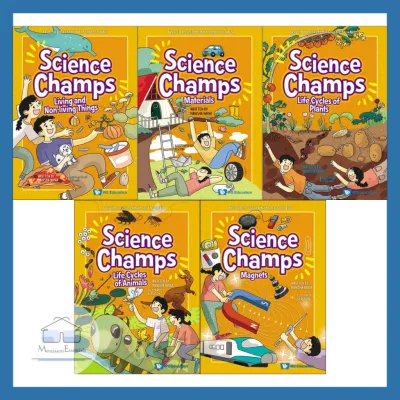
![[SG STOCK] WS E - Science Champs All Titles - Age 6-12+ Children Primary School Science Comic Singapore MOE Syllabus Learning Book](https://img.lazcdn.com/g/p/6f45ded64b1371f6724ad5b98642205b.png_400x400q80.png_.webp)
![[SG STOCK] WS E - Science Champs All Titles - Age 6-12+ Children Primary School Science Comic Singapore MOE Syllabus Learning Book](https://img.lazcdn.com/g/p/9b2938373157ce97e173f2c897293d9b.png_400x400q80.png_.webp)
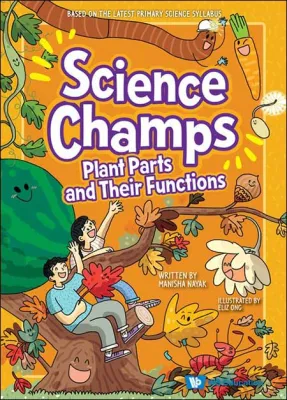
Prices are valid at publication and may change. Please refer to the product page for the latest price.
In contrast, alternative formats prioritize different aspects of exam preparation. Pure past-year paper compilations focus entirely on exam simulation, providing complete, timed papers that help students adapt to the actual format and pacing of the national examinations. Quick-reference mind-map booklets strip away dense paragraphs in favor of visual diagrams and high-yield summaries, which are ideal for rapid recall. Finally, massive question-bank style drill books offer repetitive, high-volume practice on specific question types to build procedural fluency.
Key Dimensions to Evaluate Before Choosing
Before purchasing any O-Level Science preparation book, parents should evaluate several critical dimensions to ensure the material is highly relevant and effective. The first and most vital dimension is syllabus alignment. Singapore’s Ministry of Education (MOE) periodically updates the science syllabi to reflect modern scientific advancements and pedagogical shifts. Parents must check the book’s cover, copyright page, or publisher’s preface to verify that the content aligns with the specific syllabus code prescribed for their child’s examination year.

The second dimension is the balance of content within the book. A student who struggles to explain scientific phenomena needs a book with detailed, conceptual explanations and illustrative examples. Conversely, a student who understands the concepts but struggles to score marks needs a book that prioritizes practice questions, exam-style scenarios, and application-based problems. Assessing your child’s recent school test papers will help you determine whether they require concept reinforcement or intensive exam technique practice.
The third dimension is the quality of the answer key and marking scheme. High-quality prep books do not merely provide the correct final answer; they offer comprehensive rubrics that highlight essential scientific keywords, explain common student misconceptions, and provide step-by-step working for calculation-based questions. A detailed marking scheme empowers students to self-assess their work accurately, helping them understand exactly how examiners award marks for specific phrasing and structured responses.
Science Champ vs. Alternative Formats: A Feature Comparison
To help visualize how comprehensive guides compare to other common prep book formats, the following matrix outlines the primary focus, ideal revision phase, and target audience for each type.
| Book Format Type | Primary Focus | Ideal Revision Phase | Best Suited For |
|---|---|---|---|
| Comprehensive Guides (e.g., Science Champ style) | Topical mastery, conceptual explanations, and targeted unit drills | Early to mid-revision cycle; ongoing learning throughout the school term | Students needing to rebuild foundational knowledge and practice topic-by-topic |
| Past-Year Compilations | Exam stamina, time management, and familiarity with overall paper structure | Late revision cycle; final months leading up to the national exams | Students who have mastered concepts but need to practice under timed exam conditions |
| Concept/Mind-Map Guides | Visual summaries, cross-topic connections, and rapid keyword recall | Final weeks before the exam; last-minute revision sessions | Visual learners and students needing quick, high-yield memory triggers |
When using this comparison, remember that physical features can vary significantly between publishers. Before finalizing a purchase, it is highly recommended to verify specific details—such as the total page count, paper quality, and the inclusion of any digital supplementary resources—by checking the publisher’s official product descriptions or inspecting the physical book in a local retail store.
How to Match the Book Type to Your Child’s Learning Needs
Selecting the right book requires a careful assessment of your child’s current academic standing and study habits. A comprehensive guide like Science Champ is highly beneficial if your child frequently struggles to explain basic scientific principles or consistently performs poorly on topical class tests. These guides provide the structured explanations necessary to rebuild a weak foundation, allowing the student to read through clear notes, study illustrative diagrams, and attempt basic questions before moving on to complex, multi-step exam problems.
If your child already demonstrates a strong grasp of the core scientific concepts but consistently loses marks on school assessments, past-year compilations are the more appropriate choice. Often, these students understand the science but struggle with exam-specific challenges, such as managing their time across multiple sections or failing to use the precise scientific keywords required by the marking rubrics. Practicing with full-length, timed papers helps them build the stamina and precision needed to translate their knowledge into high exam scores.
For students entering the final weeks before the O-Level examinations, concept-map guides offer a highly efficient way to consolidate knowledge. At this stage, reading through hundreds of pages of detailed notes can cause cognitive overload. A mind-map booklet allows the student to quickly trace connections between different topics—such as linking chemical reactions to environmental chemistry—ensuring that key terms and structural frameworks remain fresh in their minds.
Before purchasing any commercial book, parents should verify whether their child has specific learning accommodations that require particular formatting, such as larger print or highly spaced layouts. Additionally, check the materials already provided by your child’s school. Many schools distribute comprehensive internal revision booklets, topical worksheets, and past-year compilations. If these school-provided resources are already highly detailed, purchasing an identical commercial format may lead to unnecessary duplication and add to your child’s academic stress.
Practical Steps for Integrating Prep Books into a Study Plan
Acquiring the right preparation book is only the first step; integrating it effectively into a balanced study routine is what drives academic improvement. To avoid student burnout, parents should time their purchases carefully. Buying revision books too early in the academic year can result in materials sitting unused, while buying them too late can lead to rushed, ineffective cramming. Ideally, comprehensive guides should be introduced at the start of the school year to support ongoing learning, while exam compilations should be introduced a few months before the final papers.
A practical weekly workflow can help students balance school requirements with external prep books. Students should prioritize their school worksheets and homework during the weekdays, as these tasks directly align with their classroom teacher’s immediate feedback. The commercial prep book can then be reserved for weekend study sessions, where it can be used for targeted topical consolidation or, closer to the exams, as a source for timed mock papers. This clear division prevents the student from feeling overwhelmed by competing resources.
When sourcing these books, parents should visit major local retail chains or established online bookstores to ensure they are purchasing the most up-to-date editions. It is highly advisable to avoid relying on outdated second-hand copies passed down from older siblings or purchased from online marketplaces. Science curricula and examination formats are subject to periodic updates, and using an outdated edition risks exposing your child to deprecated scientific facts, obsolete syllabus requirements, or outdated marking rubrics that no longer match current standards.
Frequently Asked Questions (FAQ)
Do I need to buy the latest edition of O-Level prep books every year?
Yes, it is highly recommended to purchase the latest edition to ensure complete alignment with the current examination standards. Science syllabi can undergo minor or major adjustments in content emphasis, practical assessment requirements, and marking rubrics. The latest editions are specifically updated by publishers to reflect these changes. If you are considering using an older or discounted version, you should carefully cross-reference the book’s stated syllabus code with the official educational documentation provided by the examination board to verify that no critical topics have been added or removed.
Can commercial prep books replace school-provided science notes?
No, commercial preparation books should never be used as a complete replacement for school-provided materials. School notes are carefully tailored by classroom teachers to align with their specific teaching pacing, internal school assessment formats, and direct classroom instructions. Furthermore, teachers often highlight specific nuances and practical lab tips that are unique to their school’s laboratory setups. Commercial prep books should be viewed as valuable supplementary tools that offer alternative explanations, broader question exposure, and additional practice opportunities to reinforce what is taught in school.

Community discussion
Share your experience or ask a question. Comments are reviewed before publication.